
Year 4

Miss Lillis - 4 Craufurd and Mrs Smith - 4 Field
supported by Miss Rubery, Miss Connolly and Mr Lawrence.

PE in the Summer term will take place on Mondays and Wednesdays. The units will cover tennis, rounders, athletics and netball.
The children can take part in PE lessons in their OPAL active uniform. If your child has opted for a more formal uniform, please send them to school in black shorts/joggers/leggings on PE days.

We strongly encourage children to complete set homework. This can really help them to embed and extend the learning that takes place in school.

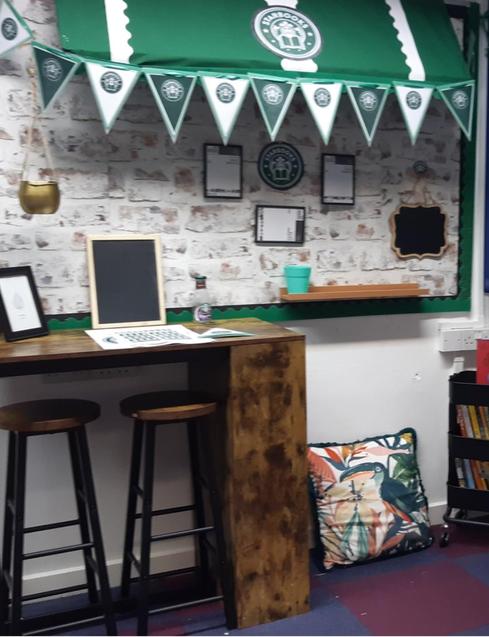
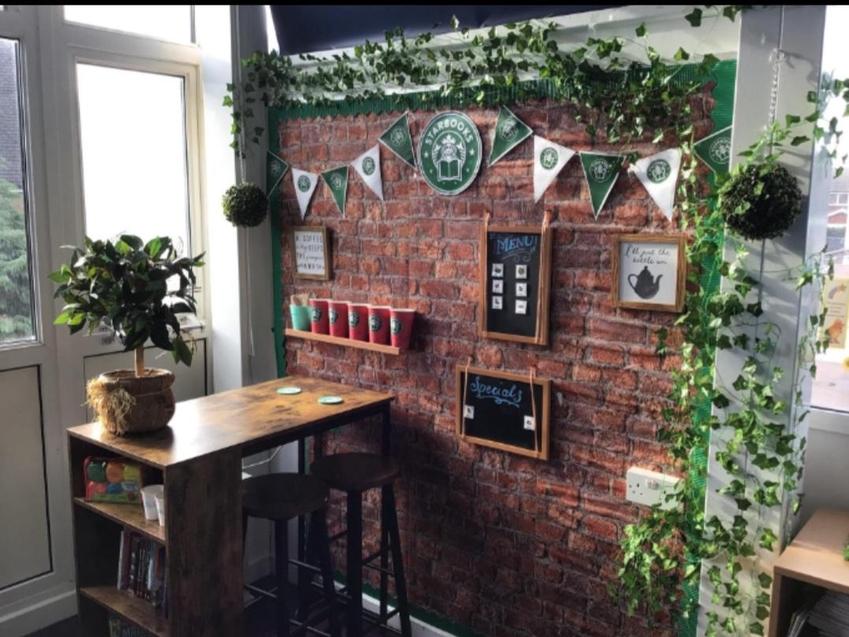
Reading for fifteen minutes every day at home can make an impact on all areas of the curriculum. In Year 4, we have a "STARBOOKS" reading incentive. Children are rewarded for reading five times a week and having their reading diaries signed. They will have their Starbooks loyalty card signed each week and after eight weeks, will get a reward! Each week, everyone who reaches cup five enters our prize draw and two lucky winners get to a enjoy a hot chocolate treat at the Starbooks bar.
Please make sure your child has their reading diary and book in school everyday. Home readers will be swapped on Fridays. If they finish their home reader before Friday, they are free to choose a book from 'Starbooks', the library or a book from home.
Tips for reading at home:
1. Try to hear your child read aloud as much as possible. If this is not possible every day, then ask them to summarise for you, what they have read independently.
2. If your child comes across a tricky word which they can't read, try not to tell them the word straight away. Encourage them to sound it out or re-read the sentence to see if they can work out the meaning.
3. Always check that your child understands what they have read by asking them questions about the book.
4. Aim to change home reading books every 1-2 weeks. Book change day is Friday in Year 4.
5. Read as widely as possible- not just your school book- read your library book, books from your shelf at home, swap books with friends, read on a kindle device, read magazines, newspapers- whatever you enjoy!
6. Read to your children as much as possible. Hearing stories really helps them to develop attention and listening skills, imagination and vocabulary. It even impacts on writing skills. Plus, it's a lovely way to spend quality time together.
7. Look out for the books we are reading in school and treat your child to their own copy at home. We often refer to them on Dojo.
Children now have their Doodle Learning Username and Passwords. They can access Doodle Learning from the internet or as downloaded apps on phones, i-pads/tablets or PC's.
https://doodlelearning.com/
There are 4 areas/apps:
Spellings, Maths, Times Tables and English.
Evidence shows that practising little and often enables learning to be transferred from the short term to the long term memory. Therefore, we suggest 5 minutes a day. School homework policy expectations are that children access Doodle Maths, Doodle Times and Doodle Spell each week. Doodle English is there for any children who wish to use it but is only optional. Children can receive Dojo Points weekly if they stay in the 'Green Zone'.
Our BIG QUESTION is:
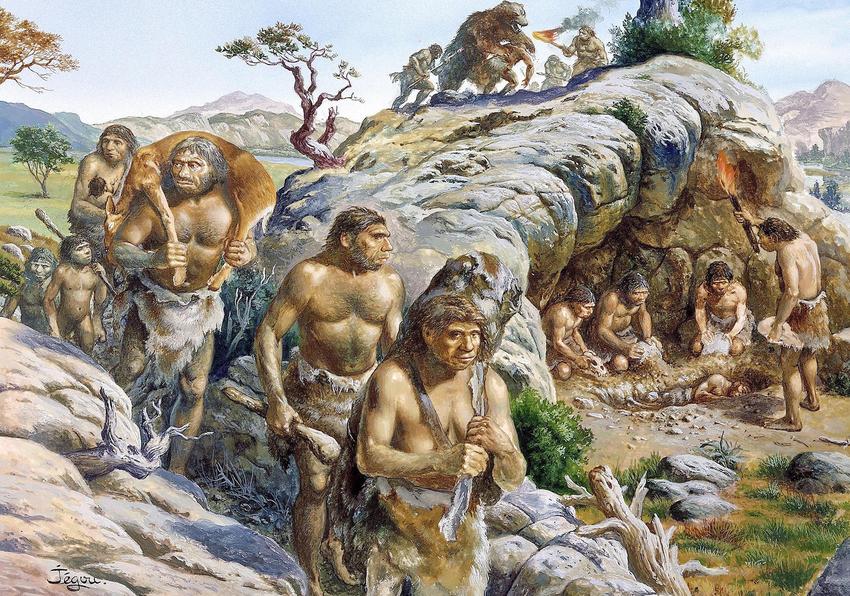
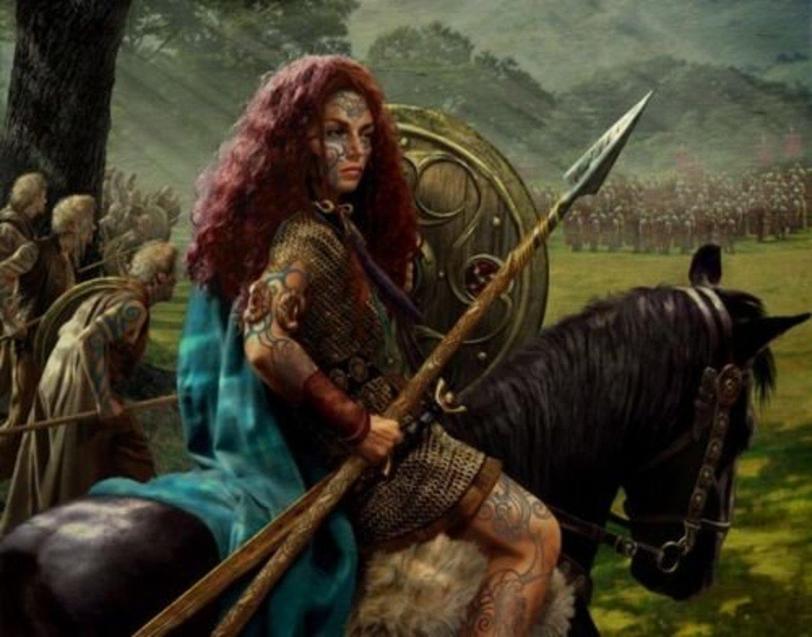
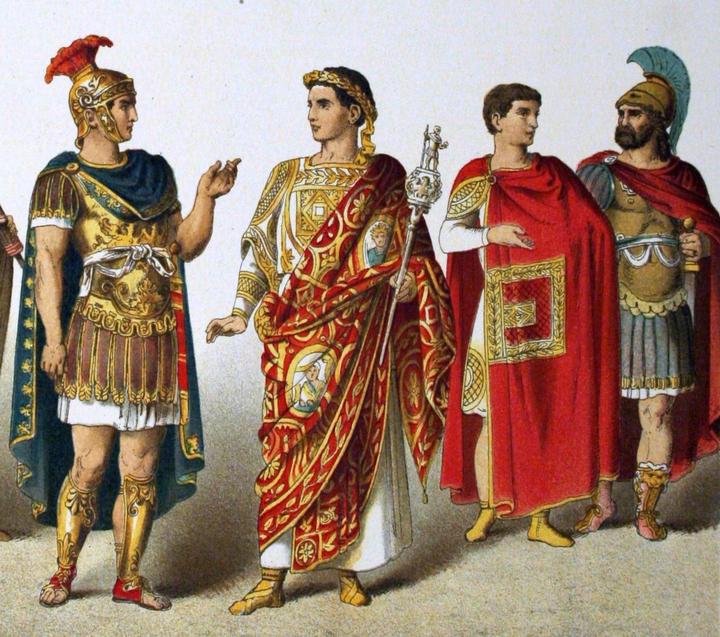
Would you rather be a Hunter-Gatherer, a Celt or a Roman?
Our class reader is, 'Stig of the Dump'. If your child has a copy at home, they are welcome to bring it in to read along. You can also purchase a copy off Amazon Stig of the Dump: 60th Anniversary Edition (A Puffin Book) (Cover may vary) : King, Clive, Ardizzone, Edward: Amazon.co.uk: Books
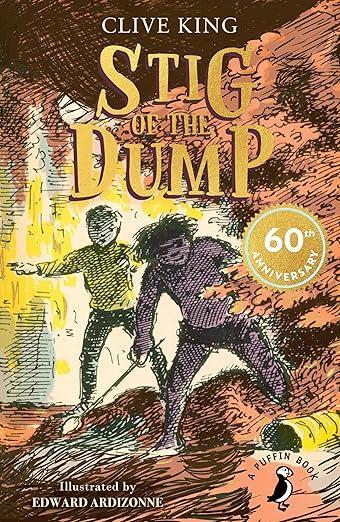
The Thing sitting in the corner seemed to be interested. It got up and moved towards Barney, into the light. Barney was glad to see it was Somebody after all. Funny way to dress though, he thought, rabbit-skins round the middle and no shoes or socks.
Barney spends a lot of time by himself, and often goes wandering off alone. One day he is exploring by the edge of an old chalk-pit, when it gives way. Finding himself in some sort of cave, Barney is astonished to discover a 'somebody' living there: somebody with a lot of shaggy hair and two bright black eyes, wearing a rabbit skin and speaking in grunts.
Barney names him Stig, and the two quickly become best friends. Of course nobody believes Barney when he tells his family all about Stig. But Barney doesn't care. He and Stig are far too busy having a brilliant series of unforgettable adventures.
Much-beloved by children for generations, Stig of the Dump is the ultimate story about the joyful freedom of mucking around outdoors, having fun away from the grown-ups . . . !
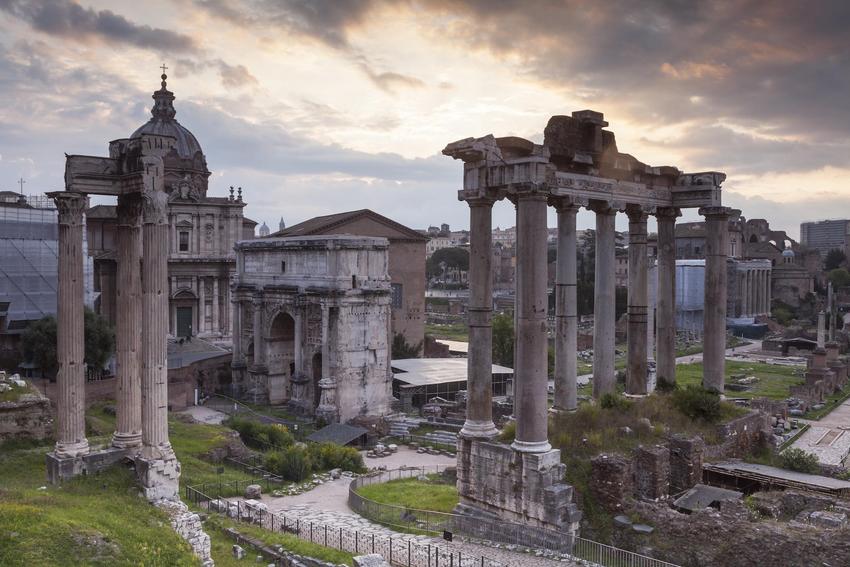
History
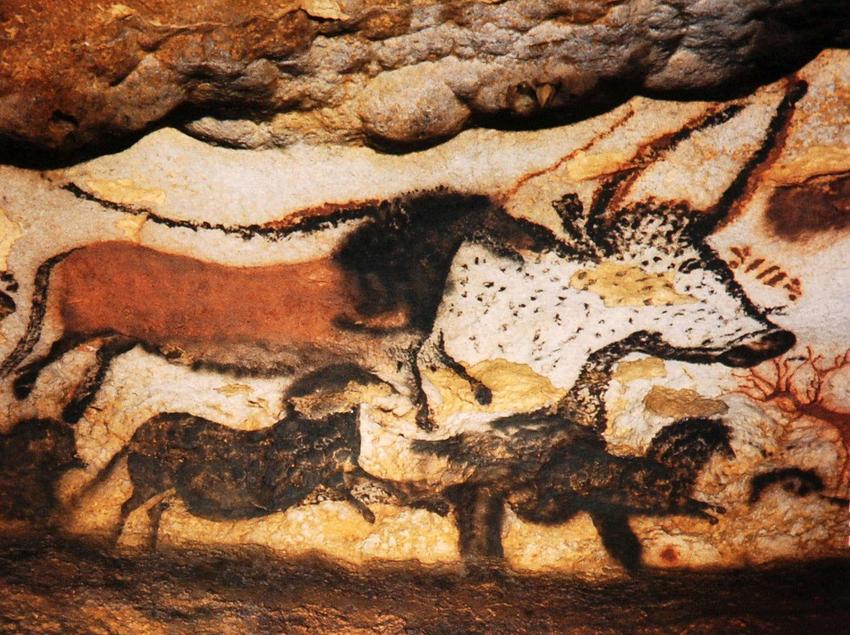
Have you ever wondered what life was like thousands of years ago, before cars, electricity or even written language? In this exciting history topic, we will travel back in time to explore how people lived during the Stone Age, Iron Age and when the Romans came to Britain.
We will discover how early humans survived using simple tools made from stone, how life changed when people learned to farm and build villages, and how new materials like iron helped people create stronger weapons and tools. We will also learn about the powerful Romans, who invaded Britain and brought new ideas, buildings, roads and ways of living.
Throughout this topic, we will ask questions like:
- How did people live in prehistoric times?
- Why were new inventions important?
- What did the Romans change when they came to Britain?
- How do we know about the past?
By studying artefacts, stories and historical evidence, we will become history detectives and build a timeline showing how life changed over thousands of years. We will explore how the past has shaped the world we live in today.
Get ready to step into the past and discover how people lived long before us!
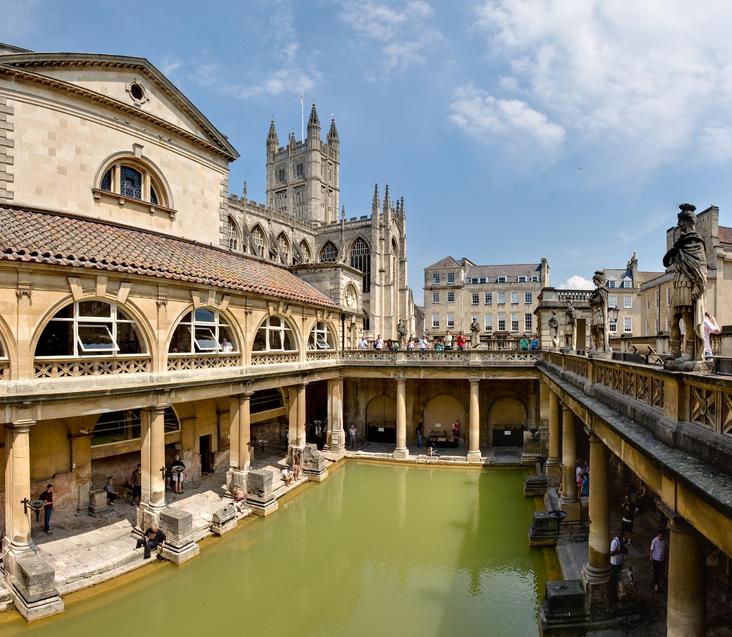
On July 8th, Year 4 will step back in time with an exciting visit to the Roman Baths. As we explore this incredible ancient site, the children will discover the secrets of Roman life, from steaming pools to grand stone architecture that has stood for centuries. It will be a chance to walk in the footsteps of the Romans, spark curiosity, and bring our history learning vividly to life in a truly unforgettable way.
More details to follow.
ART
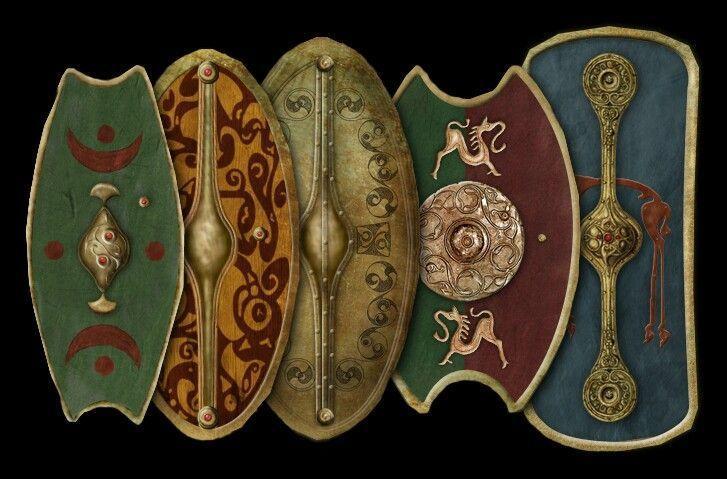
In this art topic, we will travel back in time to explore the bold and beautiful designs created by the Celts. Celtic warriors decorated their shields with strong patterns and symbols to show identity, strength and bravery. These designs often included swirling lines, repeated shapes and striking patterns that stood out in battle.
Inspired by Celtic art, we will become designers and printmakers. First, we will explore different Celtic patterns and think about what makes them eye-catching and meaningful. Then we will design our own shield pattern using repeating shapes and lines. After planning our design, we will carefully create a printing block and use ink to transfer our pattern onto paper, just like real print artists.
During this topic, we will learn how artists:
- create patterns using shape and line
- repeat designs to make them balanced
- use printing techniques to produce artwork
- experiment with ink safely and carefully
By the end of the unit, we will have produced our own Celtic-style printed shield, showing creativity, careful craftsmanship and an understanding of how pattern can communicate meaning.
Get ready to think like an artist and printmaker as we bring ancient Celtic designs to life! ����️
DT
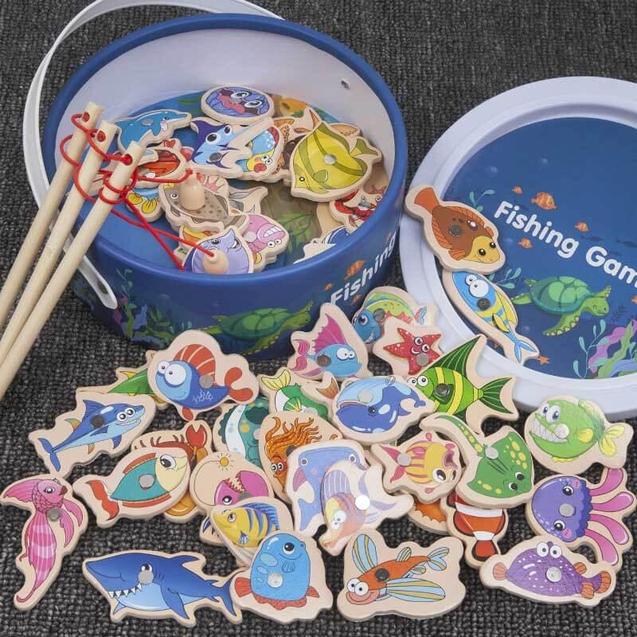
In this Design and Technology topic, we will become inventors and game designers! We will create our own magnetic game inspired by the Stone Age or Roman period. We will think carefully about what people, animals, objects and symbols were important during these times and use our ideas to design a fun and exciting game.
First, we will explore how magnets work and investigate how they can make moving parts in a game. We will look at different types of games to understand what makes them enjoyable and suitable for younger children. We will then design our own game with a clear theme, simple rules and colourful artwork inspired by the past.
As designers, we will:
- research Stone Age or Roman themes
- generate creative ideas for a game
- design a product that is suitable for Year 1 and Year 2 children
- make and assemble our magnetic game carefully
- test and evaluate how well our game works
- improve our design based on feedback
Finally, we will invite Year 1 and Year 2 children to play our games and tell us what they enjoyed. Their feedback will help us evaluate how successful our designs are and think about how we could improve them.
Get ready to think creatively, solve problems and design a game that others will love to play! ����
Science
In this exciting science topic, we will explore the fascinating forces of magnetism and electricity. These invisible forces play an important role in our everyday lives, helping to power our homes, schools and many of the devices we use.
We will investigate how magnets work and discover which materials are magnetic. We will explore how magnets can attract and repel each other and learn about the different parts of a magnet. Through practical experiments, we will test our ideas and record our results like real scientists.
We will also learn about electricity and how it travels around a circuit. We will identify different electrical components such as bulbs, wires, batteries and switches, and find out how they work together to make things happen. We will design and build our own simple circuits and investigate what makes them work effectively.
During this topic, we will:
- explore which materials are magnetic
- investigate how magnets attract and repel
- learn about electrical circuits and their components
- build and test simple circuits
- make predictions and carry out fair tests
- record our findings using scientific vocabulary
By the end of this topic, we will have developed our understanding of how magnetism and electricity affect the world around us and how scientists use investigation to discover new ideas.
Get ready to experiment, explore and think like scientists! ����

Key Question-When Jesus left, what was the impact of Pentecost?
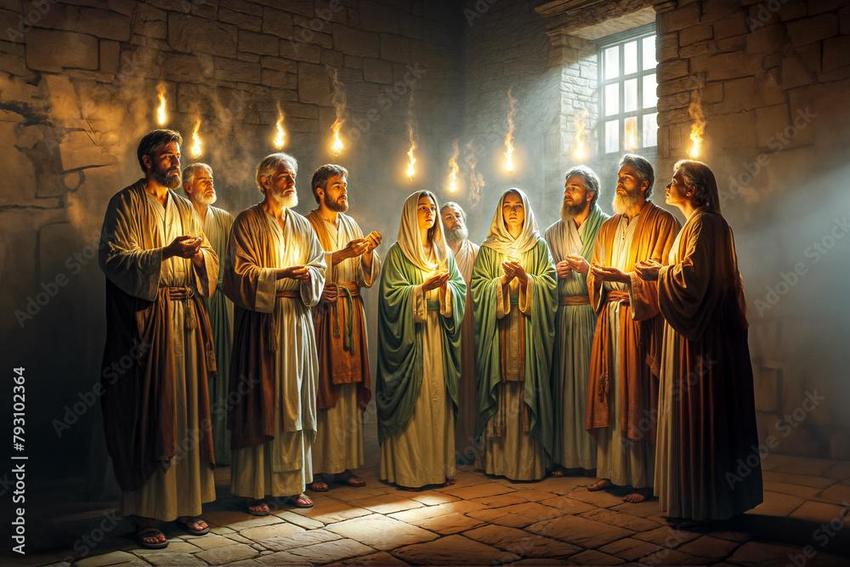
In this Religious Education topic, we will explore the important Christian belief in the Kingdom of God and learn about the special event of Pentecost. Most Christians believe the Kingdom of God is not a place on a map, but a way of living where people show love, kindness, forgiveness and fairness, just as Jesus taught.
We will learn about stories from the Bible that help Christians understand what the Kingdom of God is like and how people can help make the world a better place. We will think about what these teachings might mean for Christians today and how they try to follow Jesus’ example in their daily lives.
We will also discover what happened at Pentecost, when most Christians believe the Holy Spirit came to Jesus’ followers. This event helped the disciples feel brave and confident to share Jesus’ message with others. Pentecost is often called the “birthday of the Church” because it marks the beginning of the Christian community spreading around the world.
During this topic, we will:
- explore what Christians believe about the Kingdom of God
- learn about the story of Pentecost
- discuss how beliefs can influence people’s actions
- reflect on values such as kindness, courage and community
- ask thoughtful questions about belief and meaning
By the end of this unit, we will have developed a deeper understanding of why the Kingdom of God and Pentecost are important to Christians and how these ideas encourage people to care for others and live well together.
Get ready to explore big ideas and think carefully about belief, meaning and values. ✨
Key Question: What are significant beliefs about the Qur’an?
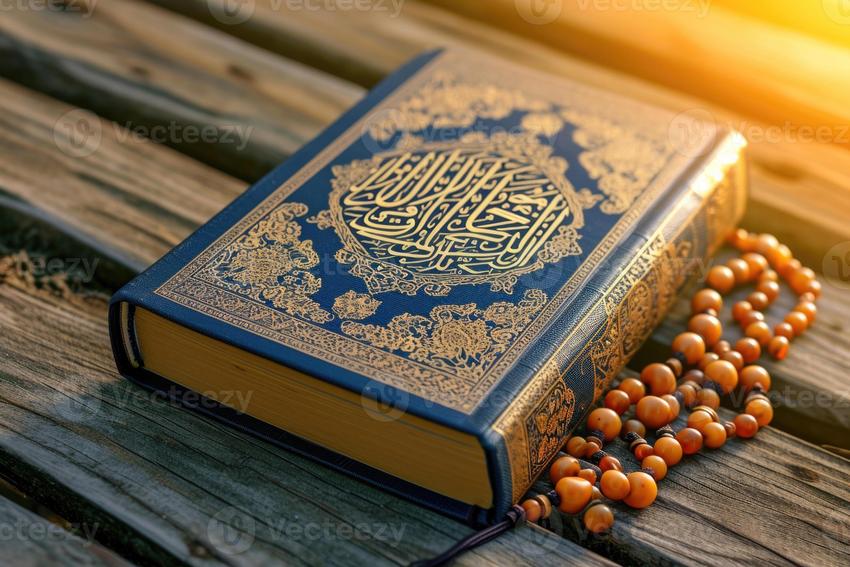
In this Religious Education topic, we will learn about Islam and the importance of the Qur’an, the holy book of Muslims. Muslims believe the Qur’an contains the word of God (Allah), revealed to the Prophet Muhammad over many years. These revelations are very special because Muslims believe they provide guidance on how to live a good and meaningful life.
We will explore the story of how the first revelation was given to Prophet Muhammad and why this moment is important in Islam. We will learn how Muslims show respect for the Qur’an and how its teachings influence their daily lives, choices and beliefs.
During this topic, we will:
- learn about the religion of Islam
- understand what the Qur’an is and why it is important
- explore the story of the first revelation
- discover how Muslims treat the Qur’an with care and respect
- think about how holy books can guide believers
- ask thoughtful questions about belief and tradition
By the end of this unit, we will have a better understanding of why the Qur’an is significant to Muslims and how the idea of revelation helps believers understand God’s message.
Get ready to explore new ideas and learn about how faith and sacred texts are important to many people around the world. ��✨
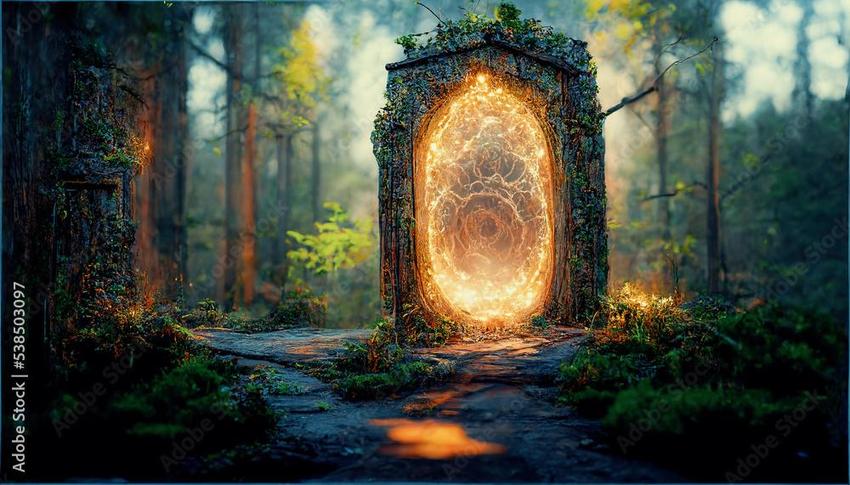
This term, our Year 4 pupils will be exploring portal stories—exciting narratives where characters discover a doorway or gateway into a magical or unfamiliar world. Through this topic, children will develop their creativity and imagination while learning how to craft engaging and descriptive writing.
We will focus on using a range of literary techniques to bring their stories to life. Pupils will experiment with personification (giving human qualities to objects or nature), similes (comparing using “like” or “as”), and metaphors (describing something as if it is something else) to create vivid imagery. They will also practise “show, not tell”, learning to describe characters’ feelings and actions in a way that allows the reader to infer meaning, rather than stating it directly.
By the end of the unit, children will plan, draft, and write their own portal story, using rich vocabulary and descriptive techniques to engage the reader and build atmosphere. This unit supports both their writing skills and their confidence in expressing ideas creatively.
Handwriting
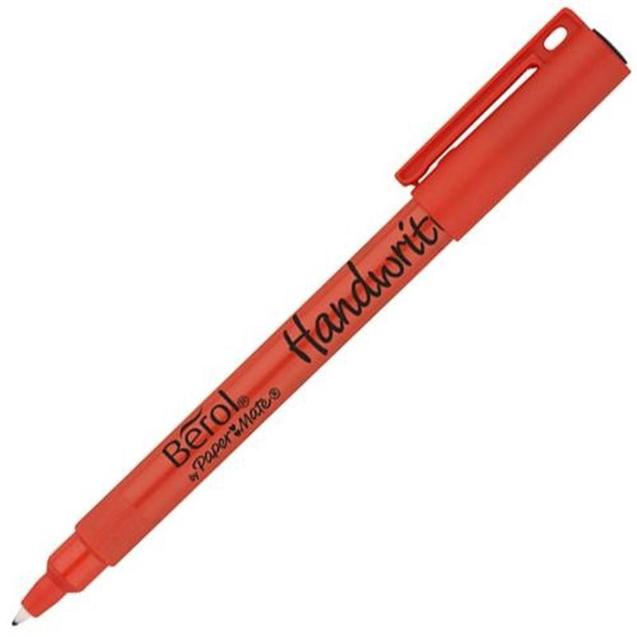
The children are very excited to be using a pen in Year 4. Children can bring in their own pens if they wish to but these must be proper handwriting pens (See picture above). Biros are not allowed.
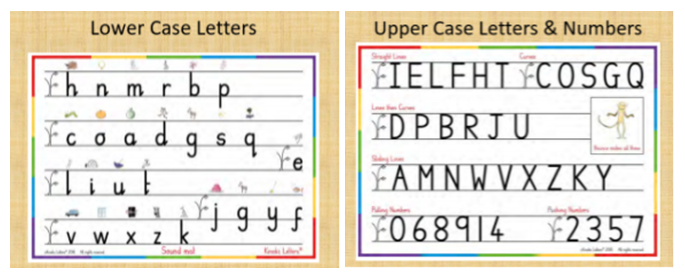
Our handwriting scheme follows Kinetic Letters. We will practise our letter formation then move onto cursive handwriting.
See below for letter formation:
If you would like to support your child at home with their handwriting, please follow these video links on quick 'how to' guides.
The Abracadabra Family
https://youtu.be/sFUMIZ0hs4c
The Jumper Family
https://youtu.be/k4i7NGKBVsU
The Window Cleaner Family
https://youtu.be/jpfbqTal660
The Slider Family
https://youtu.be/98n63jCwDBI
This Summer, we will be continuing to teach the children cursive writing.
Phonics
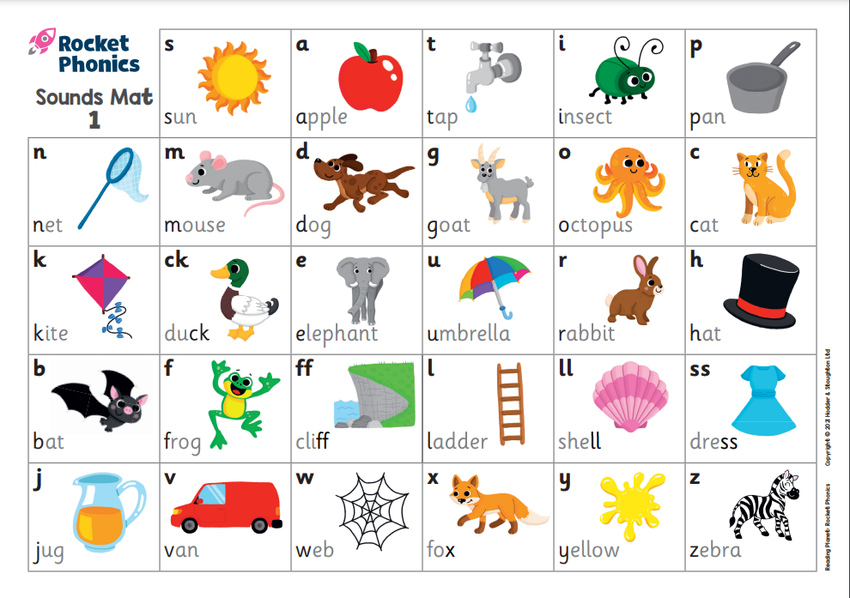
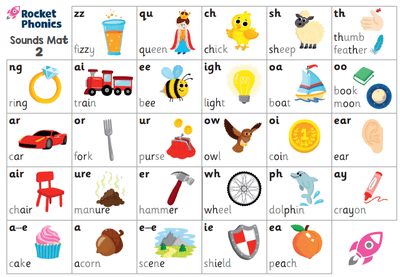
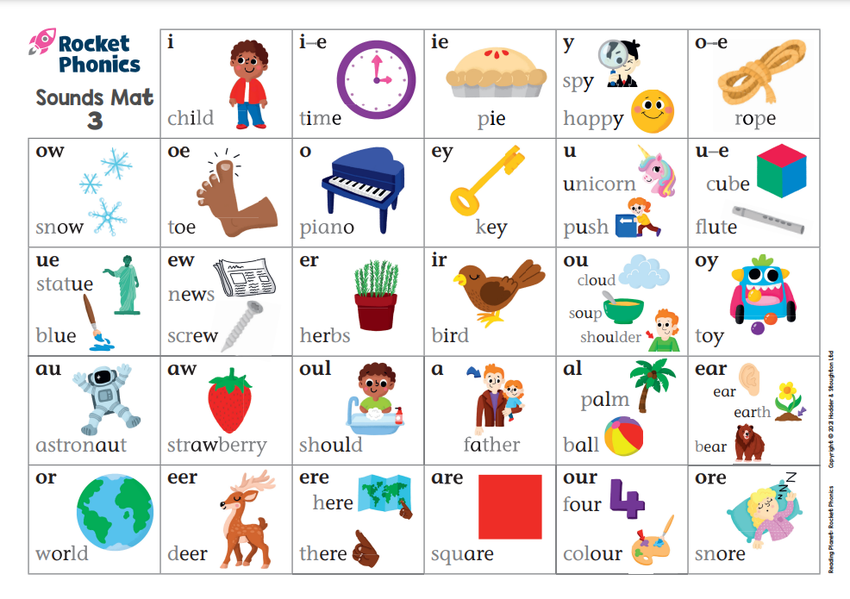
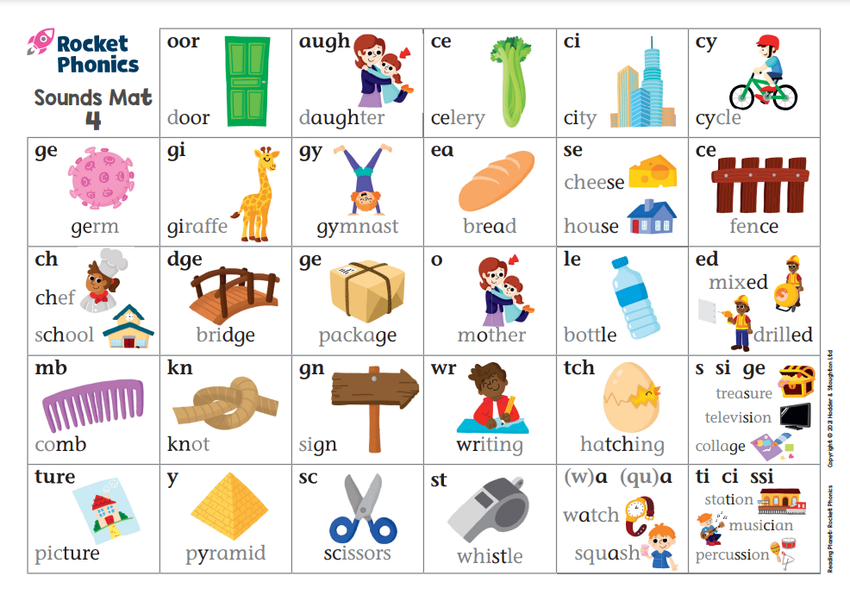
We follow the scheme, 'Rocket Phonics'. Please use the sound mats below to support your child with their writing at home.
MONDAY 1ST JUNE 2026
The children will be sitting the statutory Year 4 Multiplication Check during this week. They have worked really hard throughout the year learning and practising their tables.
https://www.topmarks.co.uk/maths-games/hit-the-button
https://www.timestables.co.uk/multiplication-tables-check/
This term in Maths, the units will cover Decimals, Money and Time. We will continue to develop our skills and knowledge through concrete (practical resources), pictorial and abstract methods. Once confident through fluency, the children will be stretched through reasoning and problem solving.
Key topics:
- Understand that tenths come from dividing by 10
- Recognise hundredths come from dividing by 100
- Write decimals like 0.4, 0.25, 1.75
- Compare and order decimals
- Round decimals to the nearest whole number
- Solve problems using decimals
- Convert between pounds (£) and pence (p)
- Add and subtract amounts of money
- Calculate change
- Solve word problems involving money
- Compare different prices
- Read time on analogue and digital clocks
- Convert between hours, minutes, and seconds
- Convert between 12-hour and 24-hour clock
- Solve problems involving durations
- Read timetables
In Summer 2, we will be studying the units of Shape, Statistics and Position and Direction.
Key topics:
- Identify 2D shapes (e.g. squares, rectangles, triangles, pentagons, hexagons)
- Identify 3D shapes (e.g. cubes, cuboids, pyramids, spheres)
- Understand angles as a measure of turn
- Compare angles (bigger, smaller)
- Identify right angles
- Recognise parallel and perpendicular lines
- Sort shapes using different properties
- Read bar charts
- Read pictograms
- Read tables
- Answer questions about data
- Solve comparison and sum problems using data
- Understand scales that increase in different steps (e.g. counting in 2s, 5s, 10s)
- Describe position using coordinates in the first quadrant (e.g. (2,3))
- Describe movement between positions
- Understand left, right, clockwise, anticlockwise
- Plot points on a grid
- Describe translations (moving shapes without changing their shape)
Class Dojo

Please keep a regular watch on Class Dojo where you will find messages, reminders, photos of the learning and fun activities that take place in our classrooms and the reward points that your child receives. Be mindful that we can only check our Dojo messages at certain points in the school day. Therefore, if you have an urgent message or want to let us know that someone else is collecting your child at the end of the day, please contact the school office who will pass this information on to us.
Please note- any links above will take you away from the Oldswinford CE Primary website- we urge you to check ahead for unsuitable adverts on YouTube