
SEND Information Report
Published November 2026
Find out how we identify SEND, provide support, work with families and help every child participate and thrive.
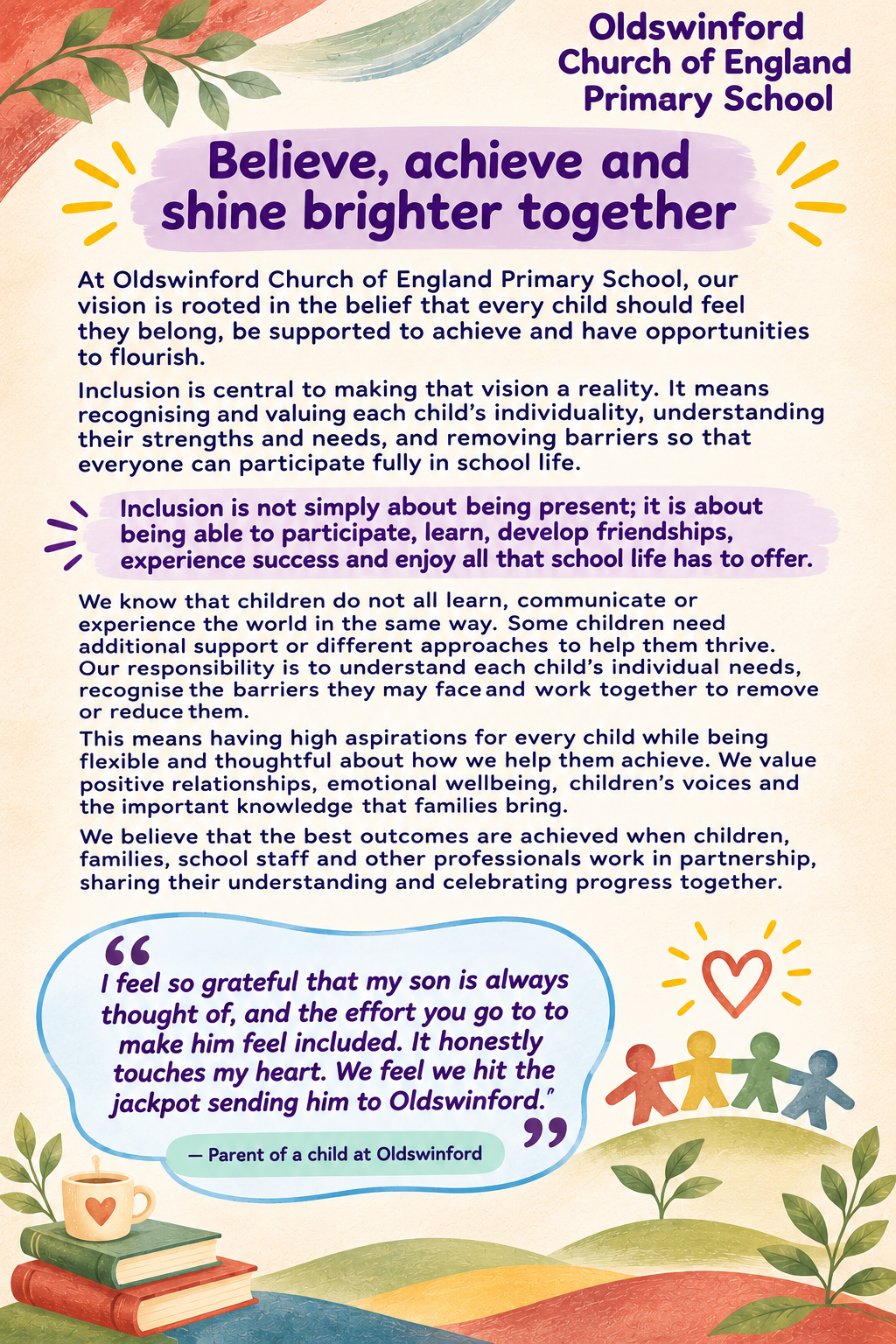
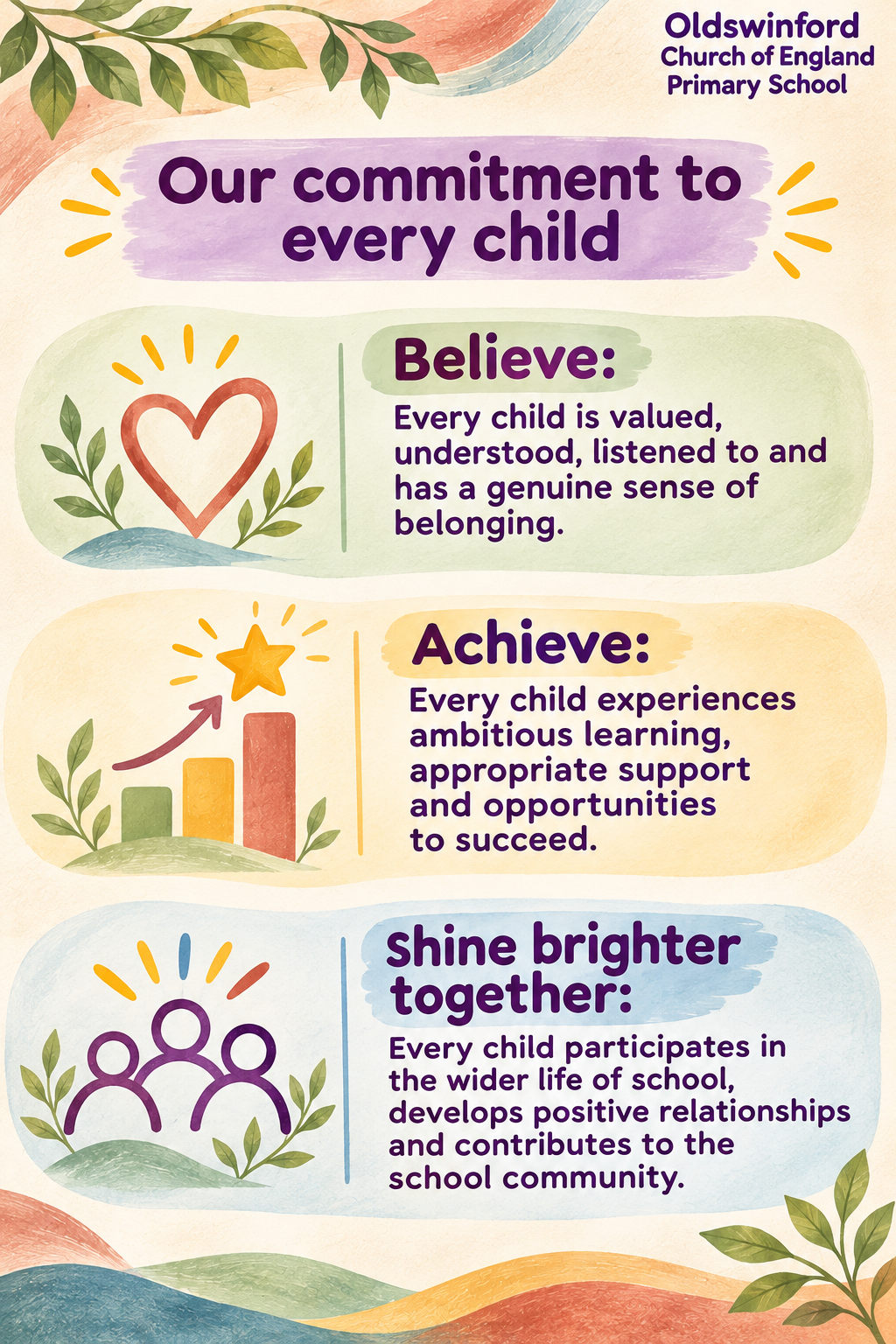
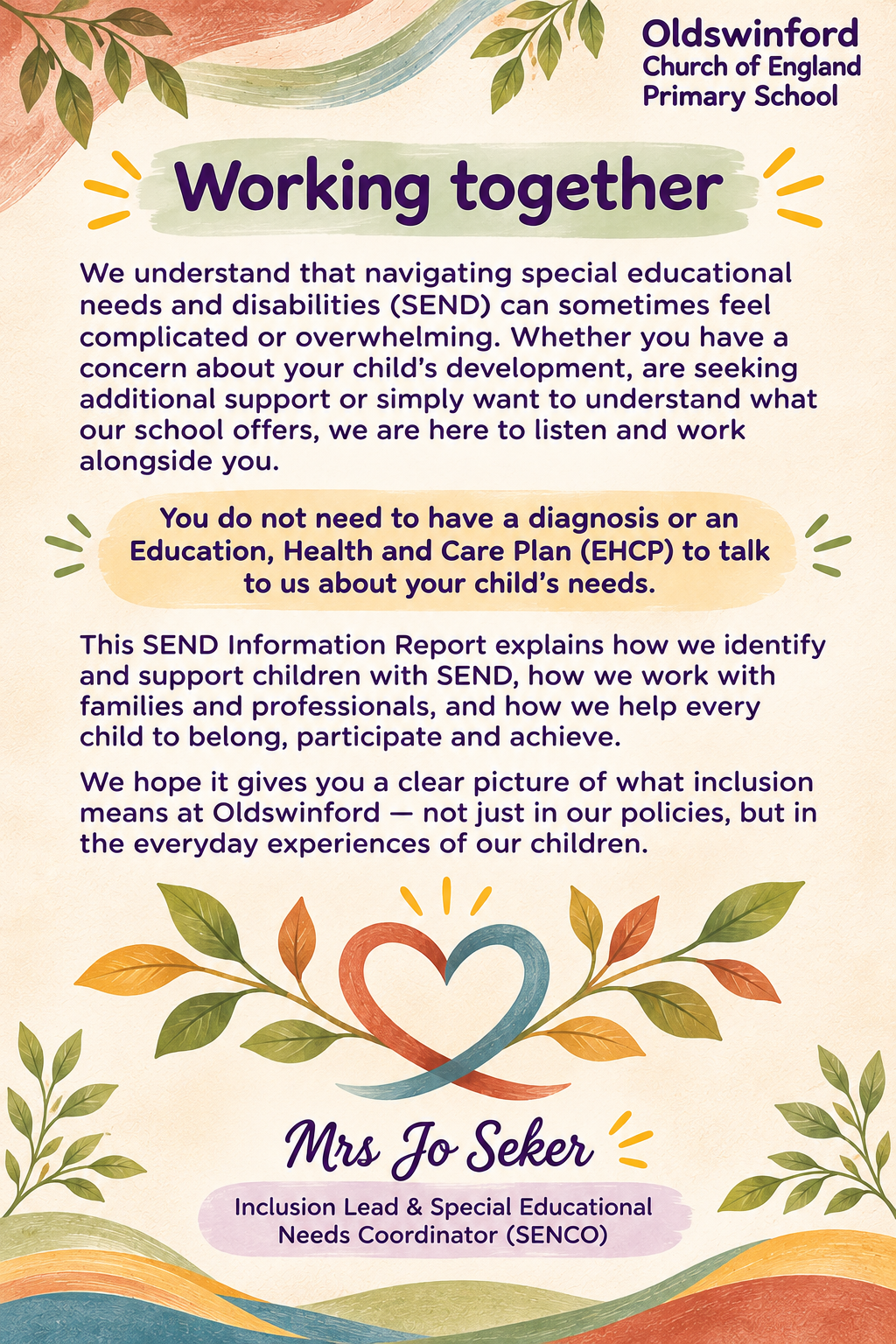
01> Welcome, Belonging & Our Inclusive Ethos
Prefer to read offline or print a simple text format? Download the full report here: Complete report · PDF · November 2026
02> Understanding SEND at Oldswinford

Every child is unique. Children develop, communicate, learn and experience the world in different ways. Sometimes, a child may need additional or different support to help them access learning and participate fully in school life.
SEND stands for Special Educational Needs and Disabilities.
A child has special educational needs (SEN) when they have a learning difficulty or disability that calls for special educational provision — educational support that is additional to, or different from, what is ordinarily available to children of the same age.
Some children's needs are identified early, while others become more apparent as they grow or as the demands of school change.
At Oldswinford, we recognise children's strengths alongside their needs. We listen to children and families, consider the barriers they may experience and work together to identify the most helpful support.
The SEND Code of Practice identifies four broad areas of special educational need.
These help schools understand the different ways children may experience difficulties and the support they might need.
These areas are not labels or fixed categories. A child may have needs across more than one area, and their needs may change over time.
1. Communication and Interaction
This area includes children who need additional support with speech, language, communication or social interaction.
Some children may find it difficult to understand spoken language, express their thoughts and needs, develop speech sounds or use and understand communication in social situations. Others may communicate differently, including through signs, symbols or communication aids.
Children with speech, language and communication needs, including some autistic children, may have needs within this area.
2. Cognition and Learning
This area includes children who need additional support to develop their understanding, knowledge and learning skills.
Some children may have specific difficulties with reading, writing or mathematics, such as dyslexia or dyscalculia. Others may experience broader learning difficulties that affect how they understand, remember, process or apply information.
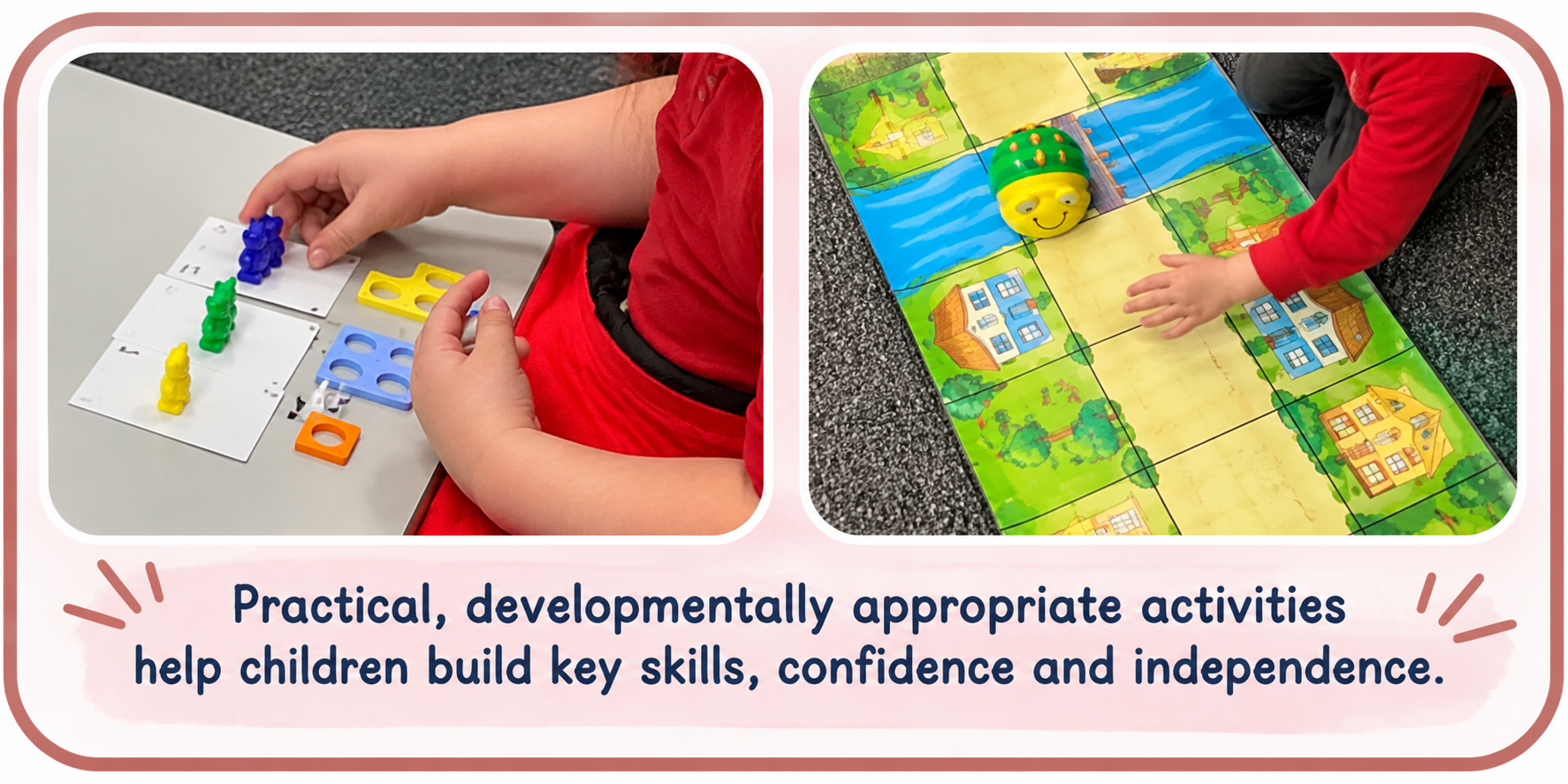
Children with more complex learning needs may require highly personalised teaching and opportunities to learn through practical, structured and developmentally appropriate experiences.
3. Social, Emotional and Mental Health (SEMH)
This area includes children who need additional support with their emotional wellbeing, mental health, relationships or social and emotional development.
Some children may experience anxiety, difficulties with emotional regulation, low confidence or challenges with attention and impulse control. These needs may be expressed through withdrawal, avoidance, distress or behaviour that others find difficult to understand.
We recognise that behaviour can be a form of communication. Understanding what a child is experiencing, and the support they need, is central to our approach.
4. Sensory and/or Physical Needs
This area includes children whose sensory or physical needs may create barriers to accessing learning or participating in school life.
Some children have hearing or visual impairments, physical disabilities or mobility needs. Others experience differences in how they process sensory information, such as sound, light, touch or movement.
Children may need specialist equipment, environmental adaptations, accessible resources or individual strategies to help them feel comfortable, participate and learn.
Understanding overlapping needs
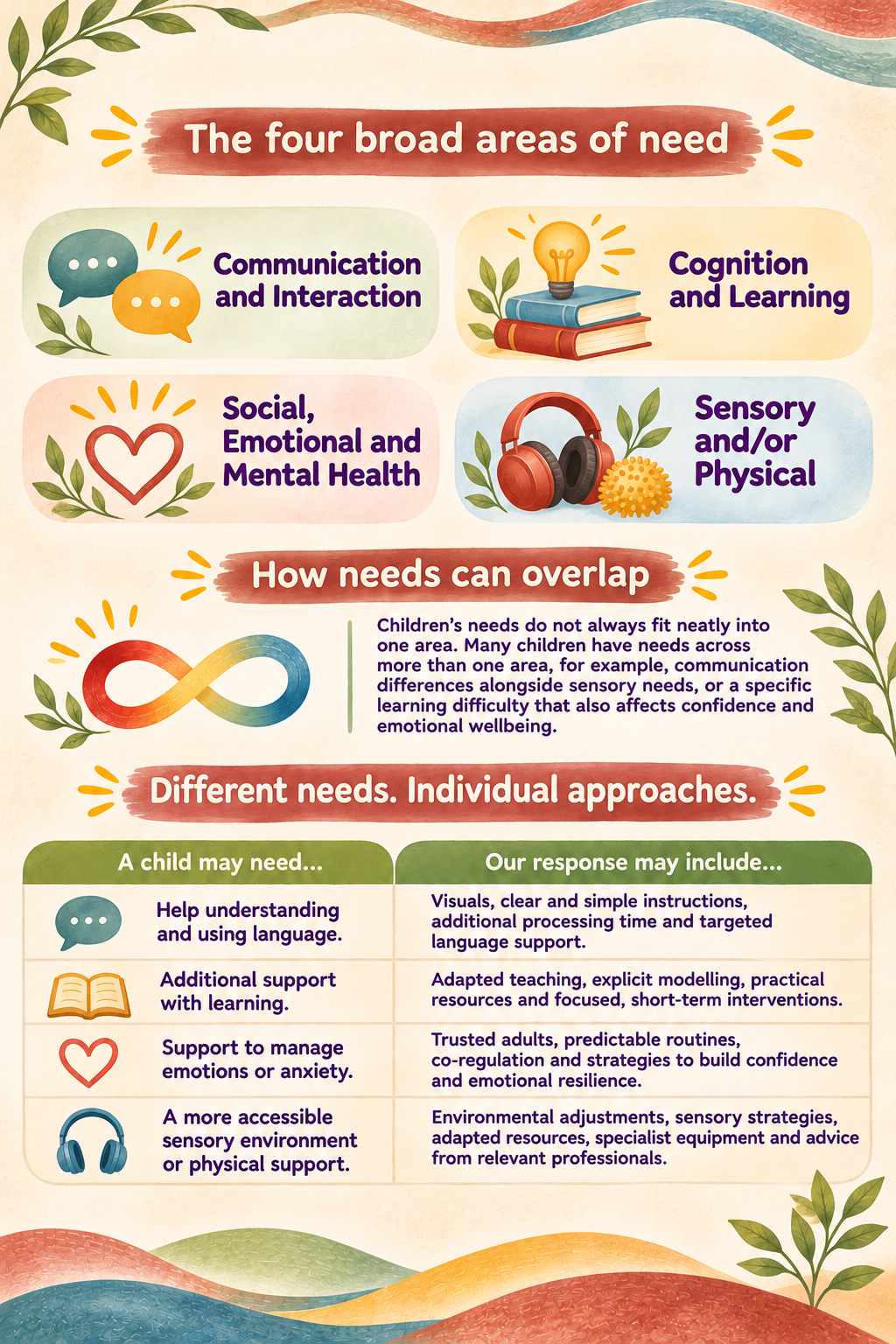
Children's needs do not always fit neatly into one area. For example, a child may experience communication differences alongside sensory needs, or a specific learning difficulty may also affect their confidence and emotional wellbeing.
At Oldswinford, we look at the whole child, recognising their strengths, interests and individual experiences alongside any barriers they may face.
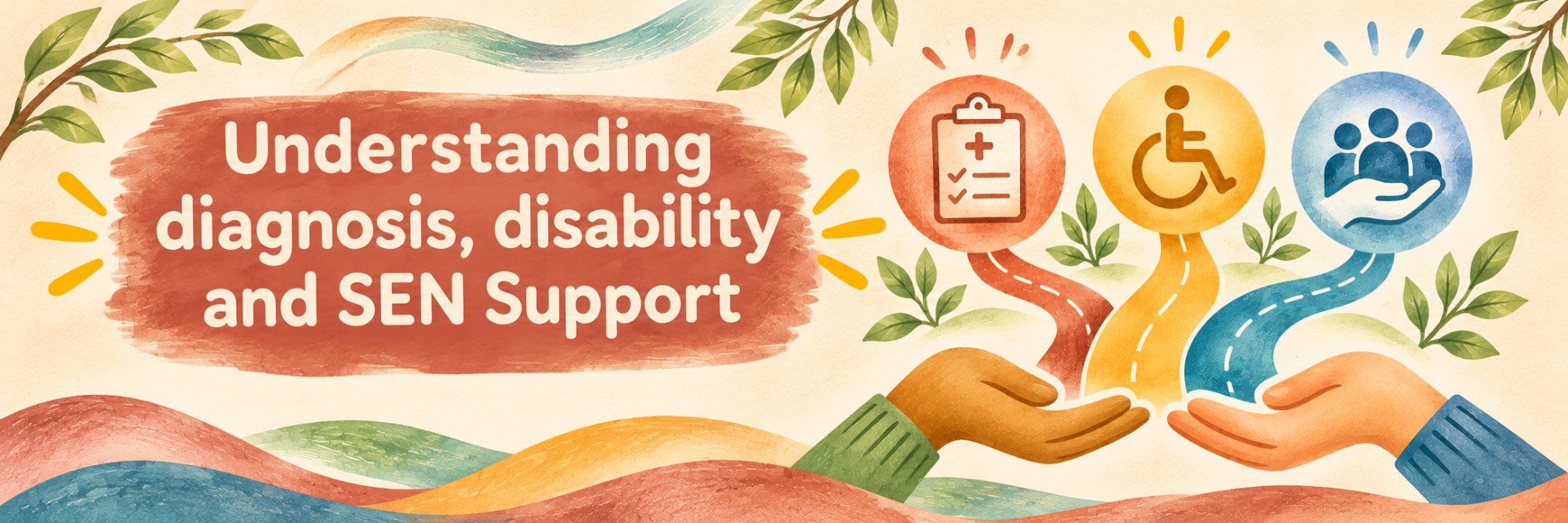
These terms are sometimes used together, but they do not mean the same thing.
A diagnosis
A diagnosis identifies a particular condition or difference, such as autism or ADHD. Specific learning difficulties, such as dyslexia, may also be identified through specialist assessment.
A diagnosis can help children, families and professionals better understand a child's experiences and identify helpful approaches.
However, a diagnosis is not required for a child to receive SEN Support, and having a diagnosis does not automatically mean that a child has special educational needs.
A disability
Under the Equality Act 2010, a person is considered disabled if they have a physical or mental impairment that has a substantial and long-term adverse effect on their ability to carry out normal day-to-day activities.
Some children with disabilities also have special educational needs; others do not.
Schools have a duty to make reasonable adjustments for disabled pupils to help ensure they are not placed at a substantial disadvantage. This duty applies whether or not a child is identified as having SEN.
SEN Support
SEN Support is the additional or different educational provision made for a child who has been identified as having special educational needs but does not have an Education, Health and Care Plan (EHCP).
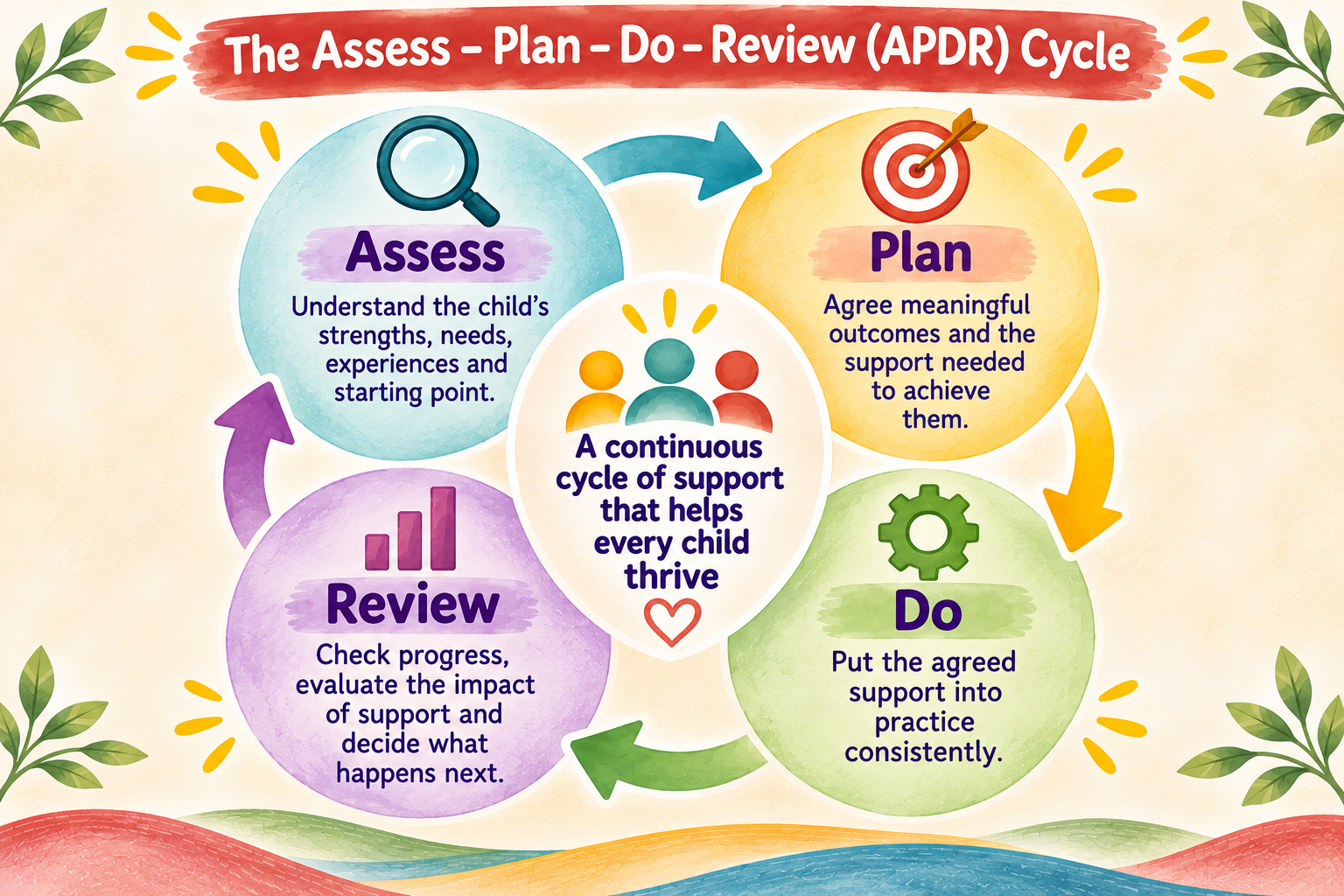
Support is planned around the child's individual strengths and needs, using a process called Assess, Plan, Do, Review (APDR). This means we work with children and families to understand what support is needed, agree what we want to achieve, put support in place and regularly review how well it is working.
A child can receive SEN Support without a formal diagnosis, and support should not be delayed simply because a family is waiting for an assessment.
Some children have more complex needs that may require an EHCP.
You can find out more about how we identify needs, plan support and review progress in Section 03.

We do not begin with a label. We begin by getting to know the child.
We consider their strengths, interests, experiences, needs and views, alongside the knowledge of their family and the observations of those who work with them.
Our aim is to understand what helps each child feel they belong, access learning, develop independence and participate in school life.
The right support begins with understanding the individual child.
03> Identifying Needs, Planning Support & Reviewing Progress
At Oldswinford, we believe that identifying children's needs early, understanding their individual experiences and reviewing the support we provide are essential to helping every child thrive.
We work closely with children, families, teachers and specialist professionals to identify barriers, agree appropriate support and evaluate whether it is making a meaningful difference.
Our graduated approach is based on a continuous cycle known as Assess, Plan, Do, Review (APDR).
Parents and carers can raise concerns at any time. You do not need to wait for a diagnosis or formal assessment to ask for help.
How do we identify and assess children's needs?
Raising and responding to concerns
Children develop, learn and experience school in different ways. Sometimes, a child may need additional help with learning, communication, emotional wellbeing, relationships, sensory experiences or participation in school life.
A concern does not automatically mean that a child has special educational needs. Our first step is to understand what the child is experiencing and what adjustments or support could help.
Concerns may arise through classroom observations, assessments, conversations with children, information shared by families or advice from other professionals.
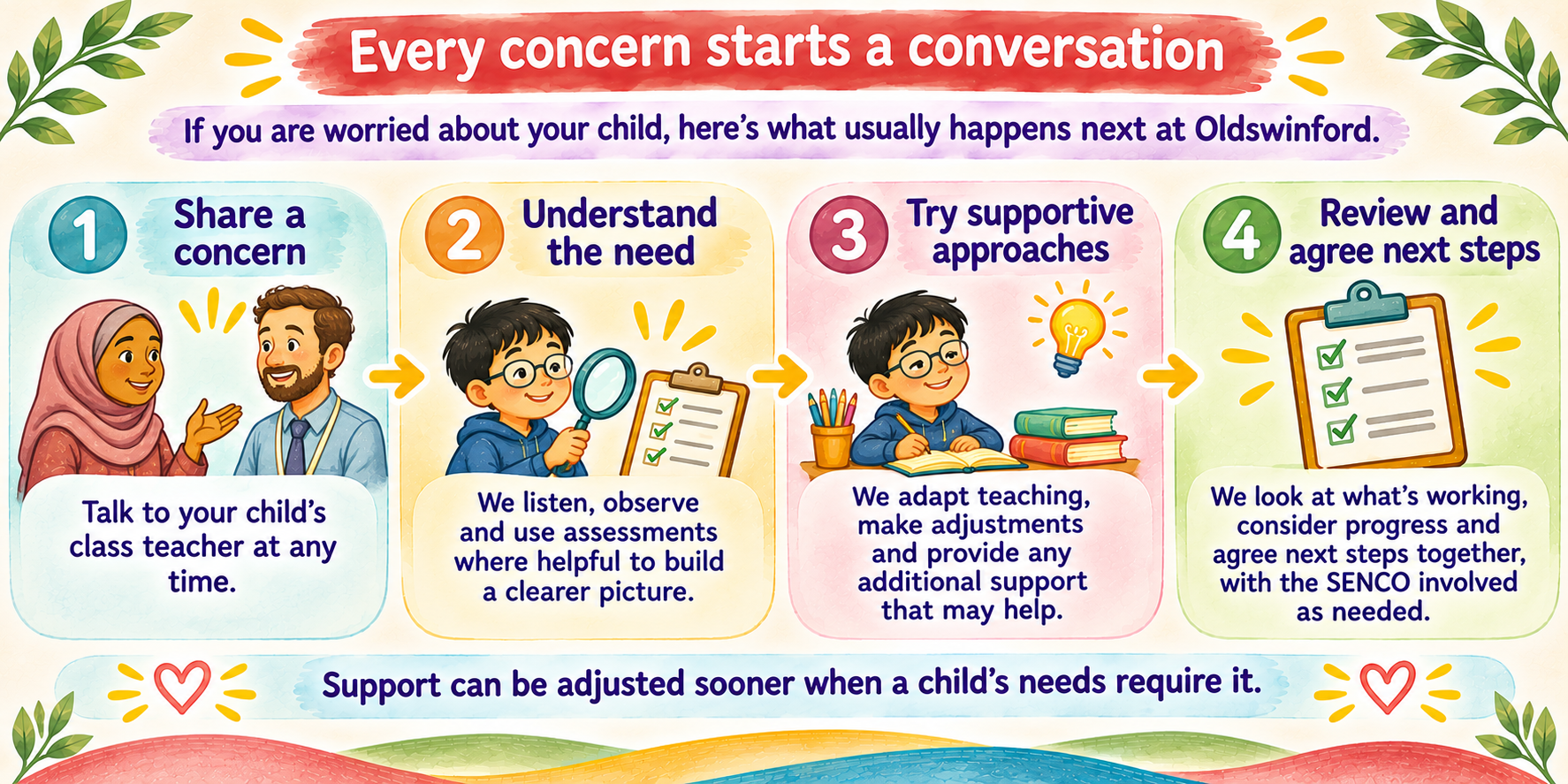
Parents and carers are encouraged to speak to their child's class teacher in the first instance. The teacher will listen, discuss the child's strengths and needs, and consider appropriate next steps. Depending on the concern, the teacher may seek advice from or refer the matter to the school's Special Educational Needs Coordinator (SENCO).
What happens next?
Usually, the class teacher begins by assessing the concern, identifying appropriate adjustments or support and reviewing their impact over approximately one term.
This initial period follows the principles of Assess, Plan, Do, Review.
The teacher then shares the information and evidence gathered with the SENCO. Together, they discuss the child's progress, evaluate the approaches used and agree the next steps.
These may include continuing classroom adjustments, changing support, undertaking further assessment or identifying a need for SEN Support.
Where concerns are more significant or urgent, advice and additional support can be sought sooner.
How do we assess children's needs?
We consider the whole child, drawing on their strengths, interests, learning, development, communication, wellbeing and experiences of school.
We also listen to children and families, recognising the valuable knowledge they bring.
Teachers use everyday assessment and observation alongside a range of more specific assessment and screening tools.
Learning and academic progress
- Phonics assessments: Regular post-unit assessments from Reception to Year 2 help identify developing phonics knowledge and areas requiring further teaching.
- PiRA (Progress in Reading Assessment): Termly assessments help us monitor reading attainment and progress.
- White Rose Maths assessments: Termly assessments help identify mathematical understanding, strengths and areas requiring support.
- Targeted assessments: Where particular concerns arise, we may use dyslexia screening or phonological awareness assessments to explore needs further.
Speech, language and communication
WellComm is used routinely in Reception and Koala Class to identify and monitor speech, language and communication needs.
Where difficulties continue following adapted provision, we may undertake further speech and language screening or seek assessment and advice from a Speech and Language Therapist.
Social, emotional and mental health
We use observations, conversations with children and families, and information from staff to understand children's emotional wellbeing and experiences of school.
For children with more complex social, emotional or mental health needs, including those who may benefit from nurture provision, we may use the Boxall Profile to develop a fuller understanding of their needs and inform support.
Assessment helps us understand what children can already do, what they need next and which approaches are most likely to help.
How do we plan and review individual support?
Children with SEND may need different levels and types of support. Some benefit from individualised adjustments within everyday classroom teaching, while others require targeted interventions or more specialist provision.
We use complementary records so that support is understood, implemented consistently and reviewed appropriately.
Individual Support Plans (ISPs)
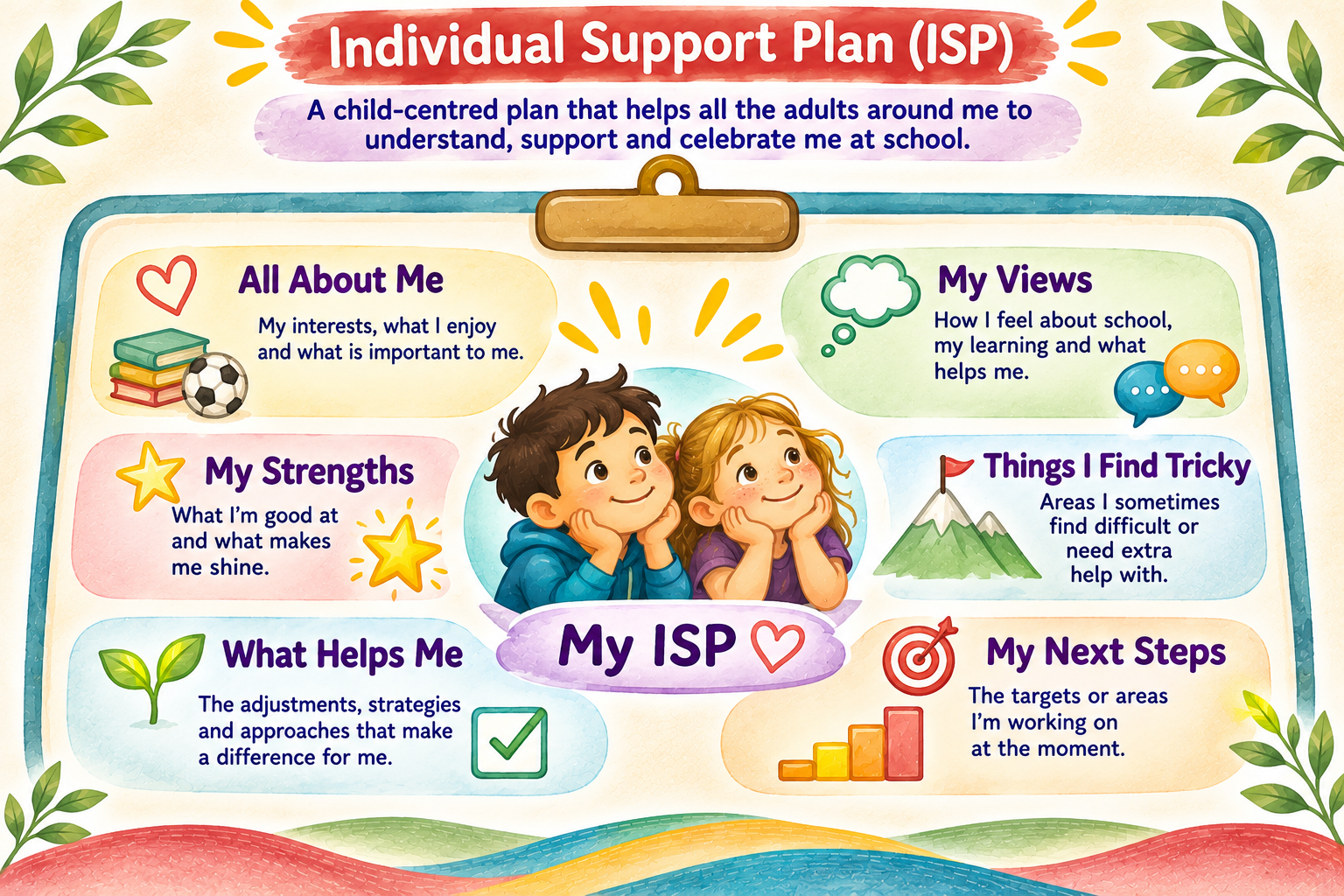
Every child on our SEN register has an Individual Support Plan. Our ISPs are strengths-based and child-centred. They include:
- The child’s interests, strengths and what makes them shine.
- Their own views and experiences.
- Things they may find difficult.
- Adjustments and strategies that help them succeed.
- Approaches that support learning, communication, emotional wellbeing and participation.
Recommendations from external professionals about everyday adjustments, teaching approaches and support strategies are also recorded in the child’s ISP, helping staff put specialist advice into everyday practice.
Targeted intervention records
Where children receive targeted interventions, we use intervention records to identify specific aims, record provision and measure progress. For children receiving targeted Speech and Language Therapy (SaLT) support, individual SaLT targets and progress are recorded through these intervention records.
Assess, Plan, Do, Review (APDR) records
Children with higher levels of support need, including those with Education, Health and Care Plans (EHCPs), also have APDR records. These provide a more detailed record of needs, agreed outcomes, additional provision and progress over time.
Targets and provision arising from Learning Support Service (LSS) or Educational Psychology (EP) involvement are recorded and reviewed through APDR. Where a child receiving SaLT support also has another agency involved, their additional outcomes and provision are coordinated through APDR.
How are outcomes agreed?
We aim to identify outcomes that make a meaningful difference to the child’s learning, independence, wellbeing or participation. Outcomes are based on the child’s starting point and describe the progress we hope to see. For example, rather than simply aiming to improve communication, an outcome might focus on a child using an agreed strategy to ask for help or clarify an instruction during everyday classroom activities.
When are plans reviewed?
ISPs and APDR records are normally reviewed termly. Reviews usually take place towards the end of each term, although timing may vary depending on when support began and the child’s needs. Pupil voice is gathered, and updated plans are shared with parents and carers for their feedback and observations. Intervention records are reviewed according to the duration and aims of the intervention.
How do we know whether support is working?
Providing support is only one part of our responsibility. We also need to understand whether it is helping children make meaningful progress.
Our reviews consider the child’s starting point, intended outcomes, evidence of progress and the experiences of the child and their family. We draw on assessment information, observations, examples of learning, intervention records and feedback from those who know the child.
We then decide whether support should continue, change, increase, reduce or stop.
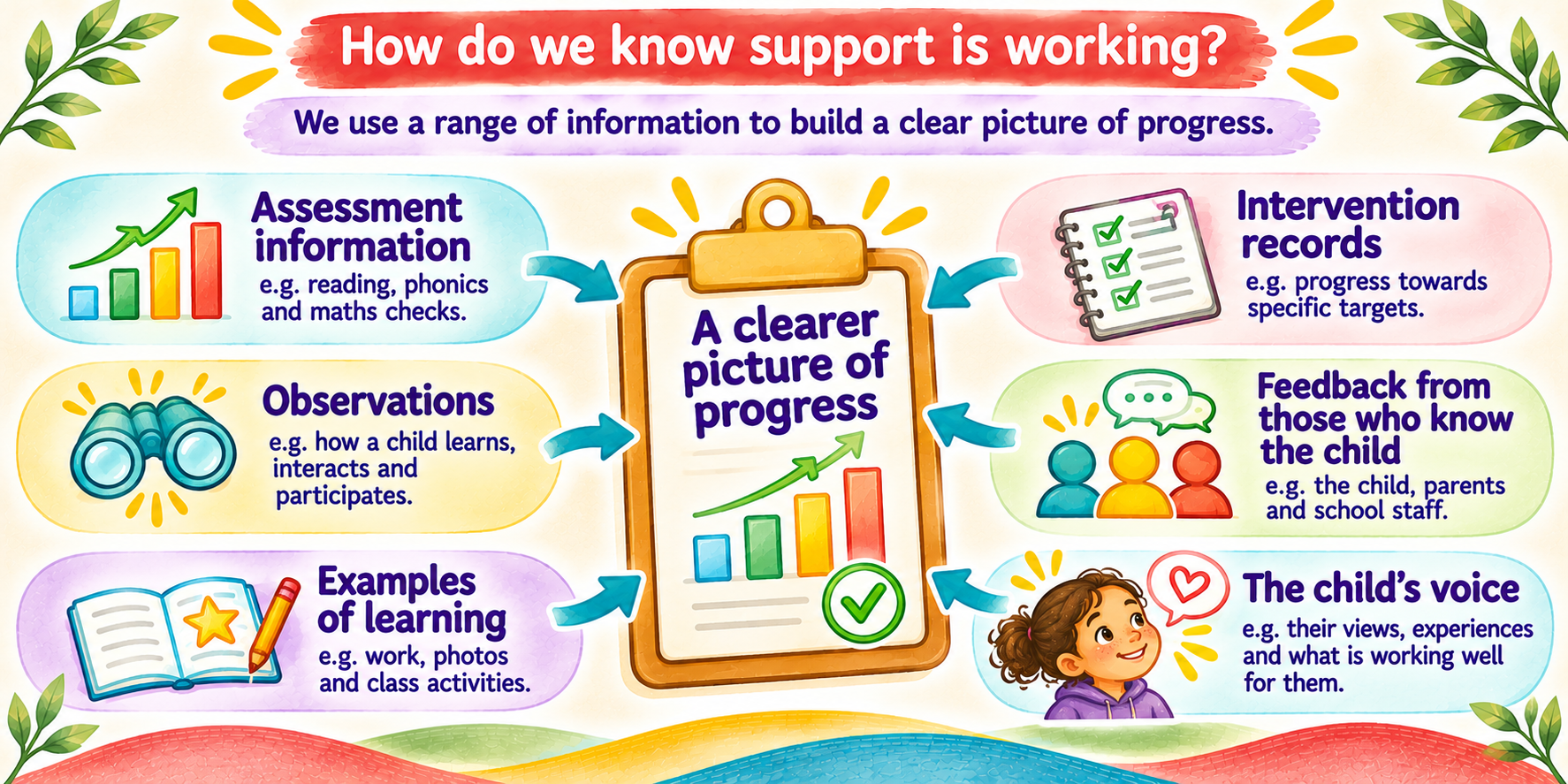
Progress looks different for different children. It may involve academic attainment, communicating a need, managing a transition, developing a friendship, joining an activity or becoming more independent.
We value progress that makes a meaningful difference to the child’s life, even when it is not reflected in a test score.
How do we plan, monitor and evaluate interventions?
Some children receive targeted interventions to develop particular skills or overcome identified barriers. These may focus on communication and language, literacy, mathematics, social interaction, emotional wellbeing or independence.
Our SENCO coordinates the planning of interventions, including deciding which interventions are needed and allocating appropriate staffing.
Starting points and intended outcomes
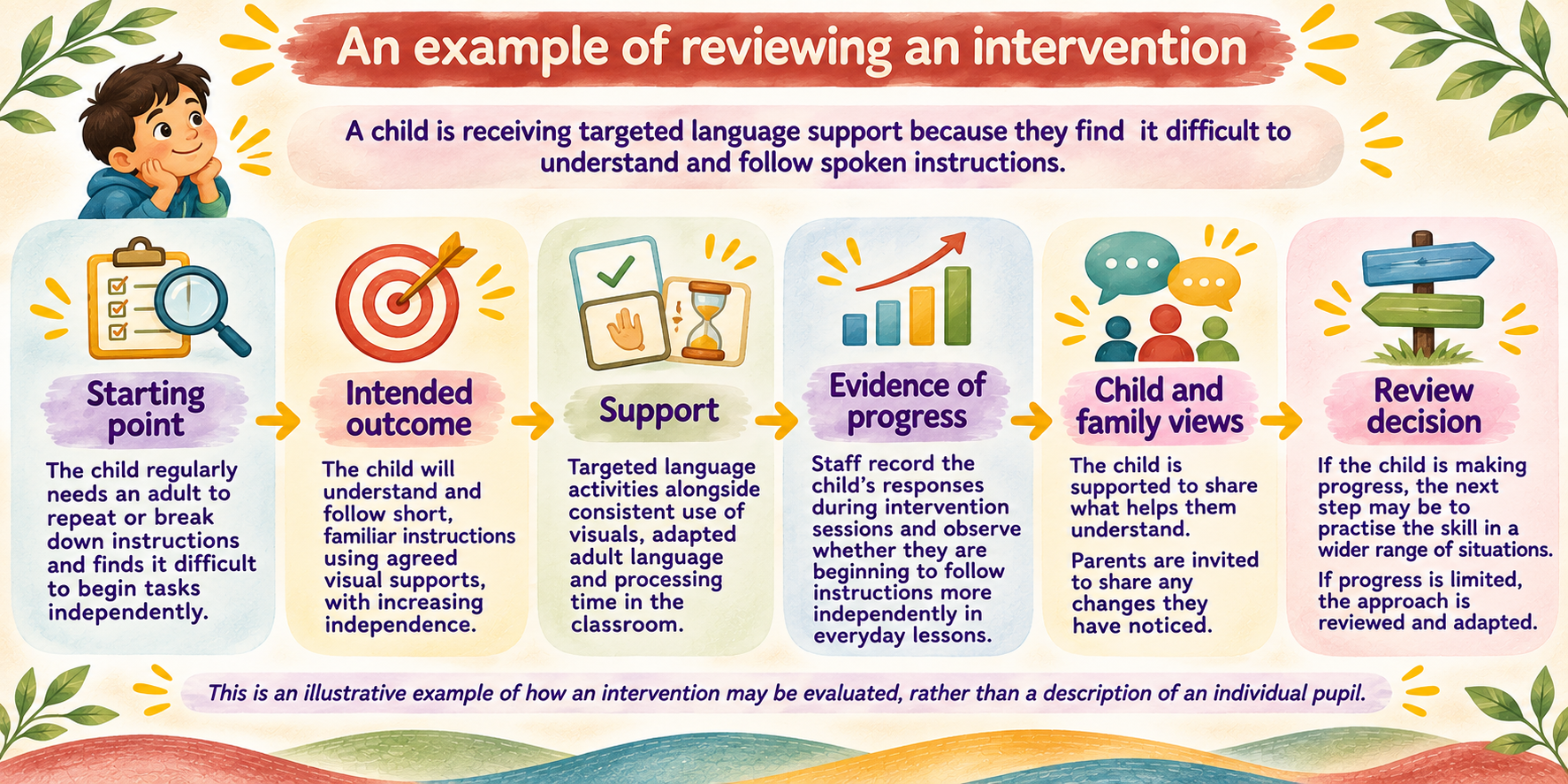
Every intervention has recorded entry and exit measures, designed specifically around its aims. This helps us establish what the child can do before support begins, what we hope they will achieve and how we will measure progress.
Most interventions run for approximately 6–12 weeks, although their duration depends on the child’s needs and the purpose of the support.
Monitoring and reviewing effectiveness
Our SENCO monitors interventions at least twice each half term, using records on Insight, staff discussions, pupil voice and observations.
At the end of each intervention, we compare progress with the child’s starting point and intended outcomes. We also consider whether the child is using developing skills in everyday classroom and school situations.
The SENCO decides whether an intervention should continue, be adapted or stop, in consultation with the class teacher and teaching assistant. Children’s experiences and parents’ views also inform these decisions, including whether an intervention may need to finish earlier or continue for longer.
The success of an intervention is measured by the difference it makes for the child, not simply by the number of sessions completed.
How are parents kept informed?
Families are informed in writing when their child is allocated an intervention. Progress and support can be discussed with the class teacher during parents’ evenings. Parents can also communicate with the adult leading the intervention through ClassDojo.
Families can request a meeting with the SENCO to discuss their child’s needs or support in more detail. We welcome parents’ observations and recognise that children may demonstrate developing skills differently at home and at school.
When do we involve specialist professionals?
Sometimes, further assessment or specialist advice is helpful in understanding a child’s needs or identifying the most appropriate support.
Depending on the child’s needs, we may work with:
- Speech and Language Therapists (SaLT).
- Educational Psychologists (EP).
- Learning Support Services (LSS).
- Occupational Therapists (OT).
- Other relevant health, education or specialist services.
How are referrals arranged?
Referrals are agreed by the SENCO in consultation with the class teacher and parents or carers. The SENCO or SENCO Assistant obtains the necessary parental consent.
Where specialist assessments or consultations take place, recommendations are shared through written reports. Parents are invited to meet with the specialist professional and/or SENCO, alongside the class teacher where appropriate, to discuss findings and agree next steps.
How do we put recommendations into practice?
Recommendations about classroom adjustments, communication approaches, environmental adaptations and other everyday strategies are recorded in the child’s ISP.
Where professionals identify specific targets or additional provision, these are recorded and monitored through the appropriate intervention or APDR records. This helps ensure that specialist advice is understood by staff, implemented consistently and reviewed for its impact.
Specialist advice is most valuable when it informs the child’s everyday experiences and support in school.
What happens if my child needs more support?
Some children have more complex needs and may require support beyond what can be provided through SEN Support alone.
Where this is the case, we work with the child, their family and relevant professionals to consider whether an Education, Health and Care (EHC) needs assessment may be appropriate. Parents and carers can also request an assessment directly from the local authority.
Children with an Education, Health and Care Plan (EHCP) continue to receive personalised support through our graduated approach.
At Oldswinford, EHCP outcomes and provision are recorded in APDR plans and reviewed termly, helping us monitor progress, evaluate the effectiveness of support and respond to changing needs.
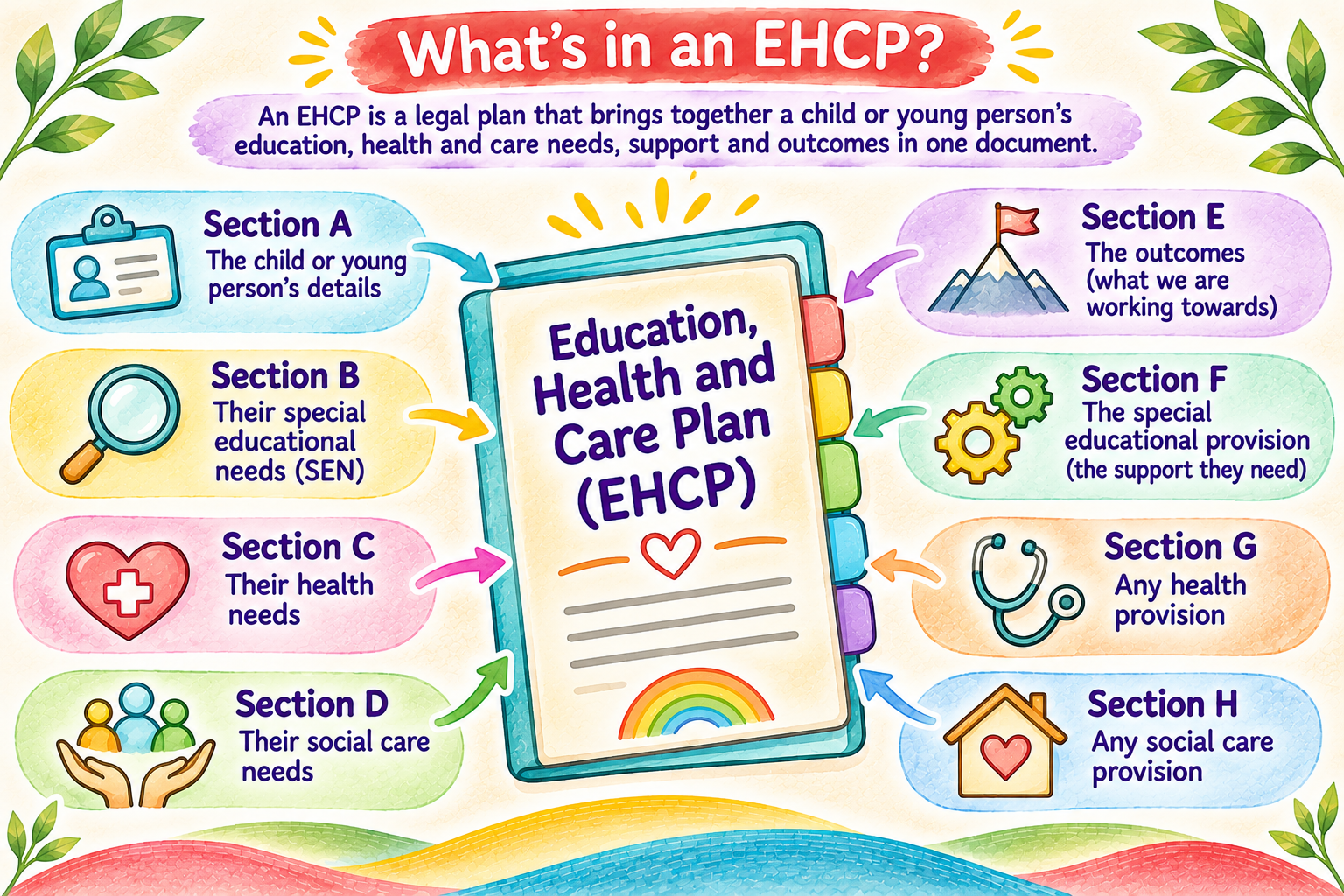
EHCPs are also subject to statutory annual reviews. Our SENCO coordinates the school’s contribution, supported by the SENCO Assistant. Children, parents, class teachers and relevant professionals contribute to these reviews.
The local authority is responsible for statutory decisions about EHCPs.
For further information about requesting an EHC needs assessment, the EHCP process, annual reviews and how we support children with EHCPs, please click to visit our EHCPs & High Support Needs page.
Working together and keeping support under review
We believe that the most effective support develops through genuine partnership.
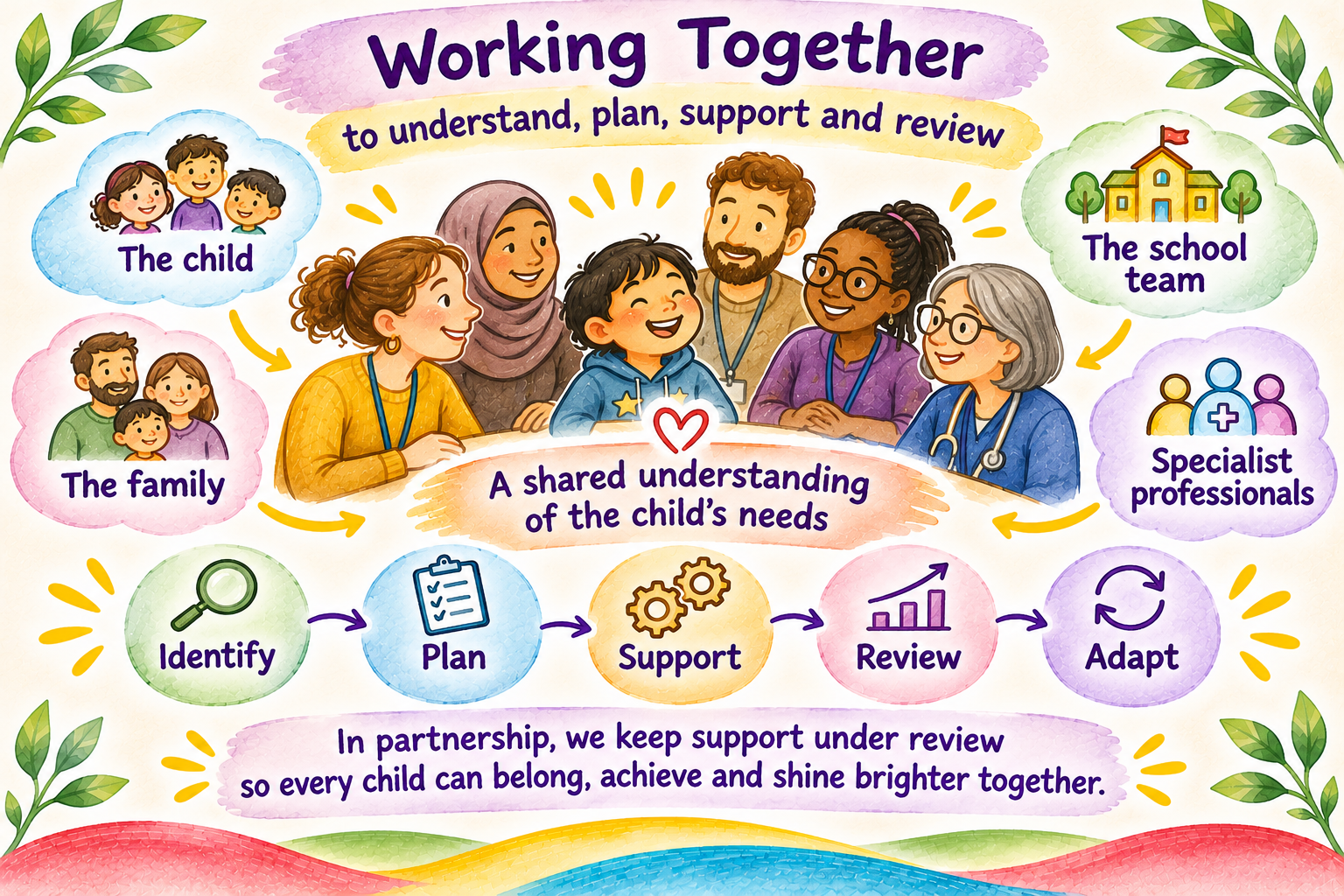
Children bring important knowledge about their own experiences. Families understand their child's development, interests and needs beyond school. Teachers, support staff and specialist professionals contribute different perspectives and expertise.
By bringing this information together, we can develop a fuller understanding of the child and make better-informed decisions.
We want parents and carers to feel able to ask questions, share concerns and contribute to decisions about their child's support.
We also want children to understand that their views matter and that support is something developed with them, rather than simply for them.
Our commitment is to identify needs thoughtfully, plan support collaboratively, evaluate its impact carefully and keep adapting our approach so that every child has the opportunity to belong, achieve and shine brighter together.
04> Teaching, Curriculum Adaptations & Accessibility
At Oldswinford, inclusion begins in the classroom. We believe that high-quality teaching should be accessible, flexible and responsive to the different ways children learn, communicate and experience school.
Many of the strategies and resources that support children with additional needs are part of our everyday universal offer. Children do not need a diagnosis or an Individual Support Plan (ISP) to benefit from them.
Some children also need individual adjustments, specialist teaching or a personalised curriculum pathway. Our aim is for every child to experience meaningful learning, appropriate challenge, growing independence and a genuine sense of achievement.
How do teachers adapt learning to meet different needs?
Adaptive teaching means responding to the barrier a child is experiencing, not simply changing the worksheet. Teachers identify what children need to learn, explain and model it clearly, check understanding and make the smallest useful adjustment. They then check whether it helped and adjust or reduce support when appropriate.
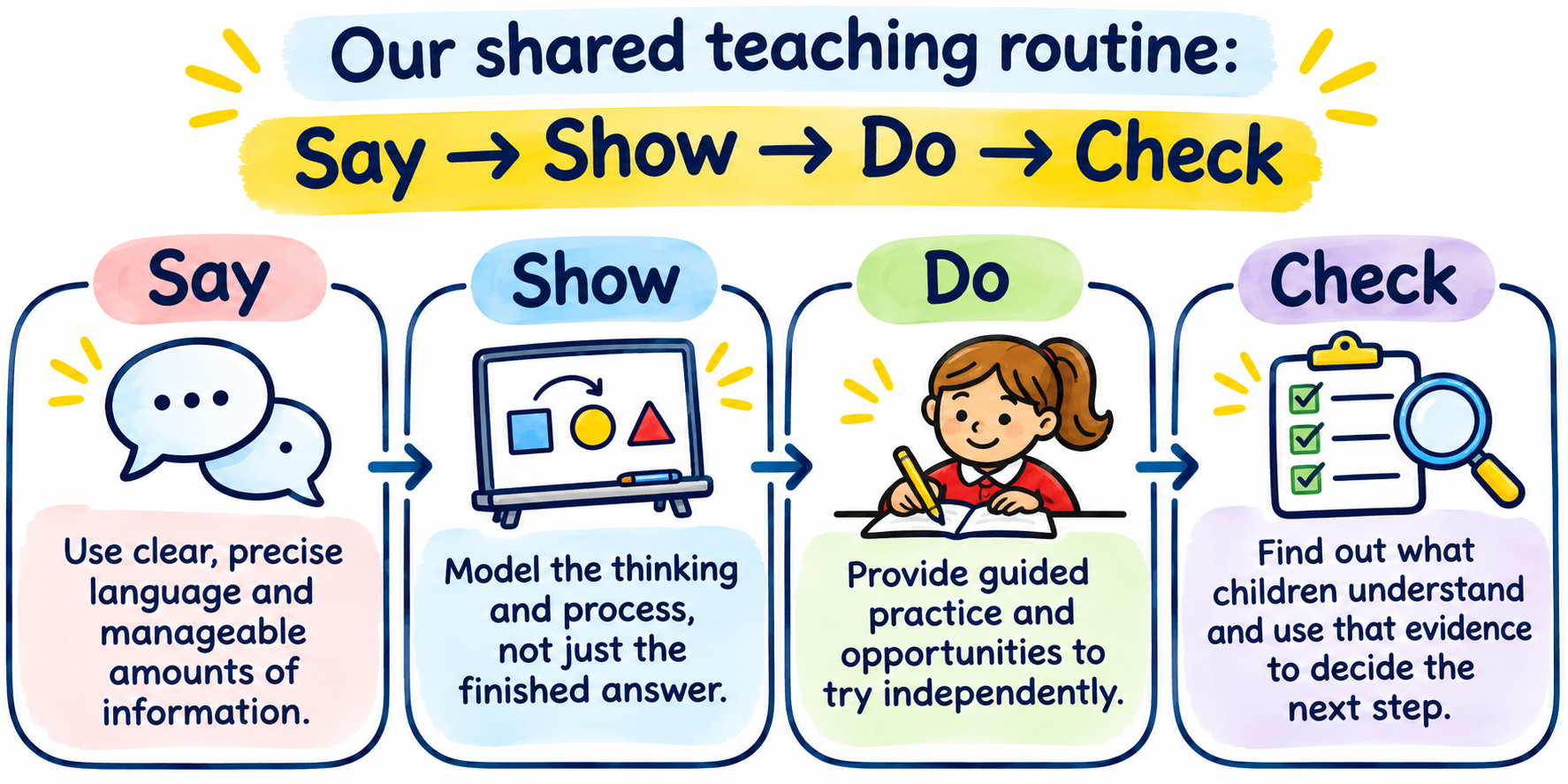
The least help first
When a child is stuck, adults allow thinking time, then offer a prompt, clue or model only as needed. They hand the thinking back to the child and check again. Support should build independence, not unnecessary adult dependence.
What this looks like
- Breaking explanations, instructions or tasks into manageable stages without removing the important thinking.
- Using worked examples, visual scaffolds, practical equipment and clear demonstrations.
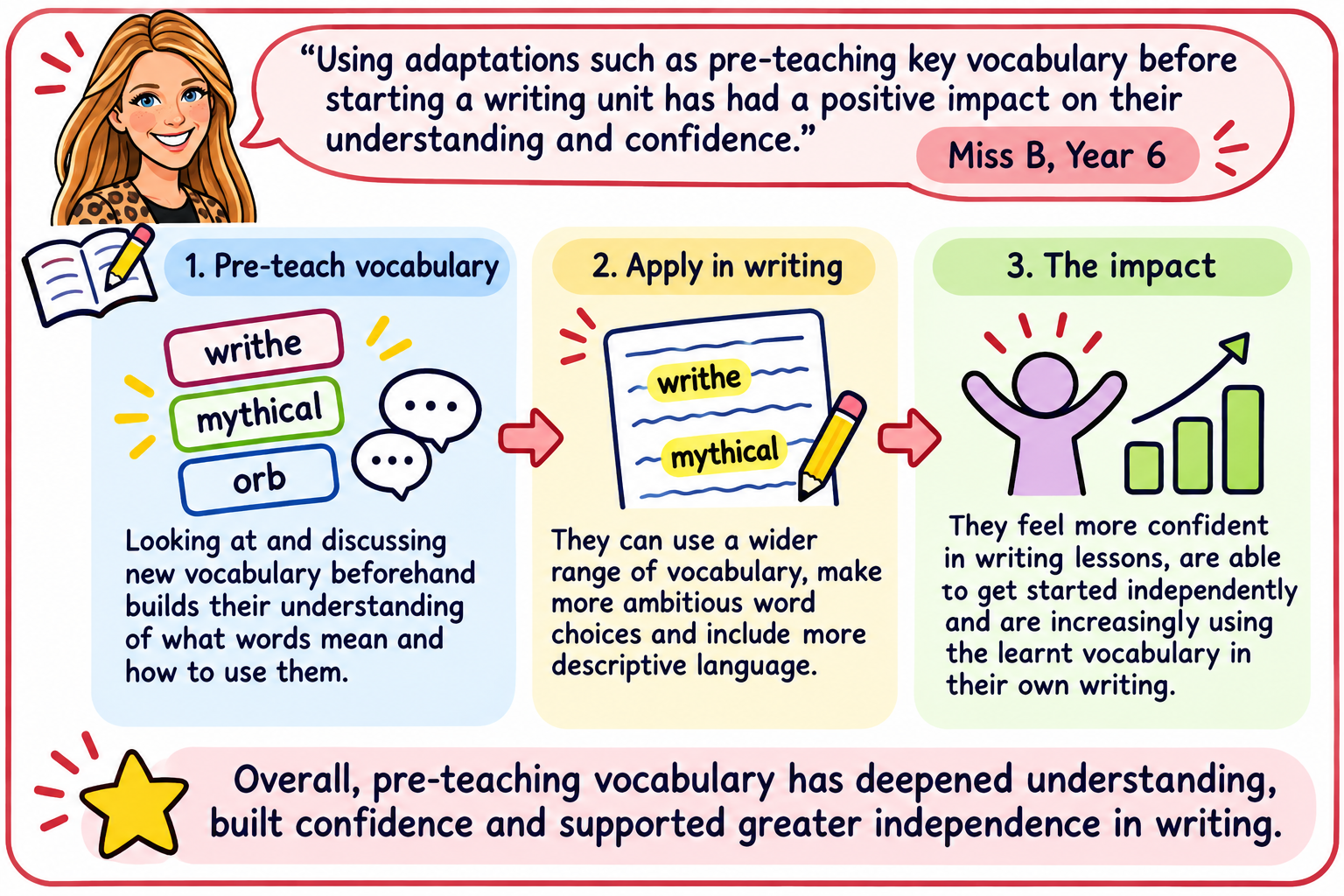
- Pre-teaching and revisiting vocabulary, with repetition and rehearsal where needed.
- Using word banks, sentence starters, visual checklists and task planners.
- Adapting pace, grouping and practice in response to what children show they understand.
Where pupils share the same learning intention, we aim to preserve meaningful challenge while varying the route and support. Adaptations are reviewed rather than automatically becoming permanent.
Ordinarily Available Inclusive Provision (OAIP)
Our approach to inclusive teaching is informed by Dudley's Ordinarily Available Inclusive Provision (OAIP) framework. This describes the teaching approaches, reasonable adjustments and support that schools should ordinarily make available to help children with a wide range of needs access learning and participate fully in school life.
At Oldswinford, we aim to identify and remove barriers as early as possible, adapting our teaching and learning environments in response to individual needs. Children do not need a formal diagnosis or an Education, Health and Care Plan (EHCP) to benefit from ordinarily available provision.
What inclusive resources and adjustments are available?
Our universal offer includes resources and approaches available as part of ordinary classroom practice. We recognise that the same adjustment will not suit every child, so we listen to pupils and check what is helpful.
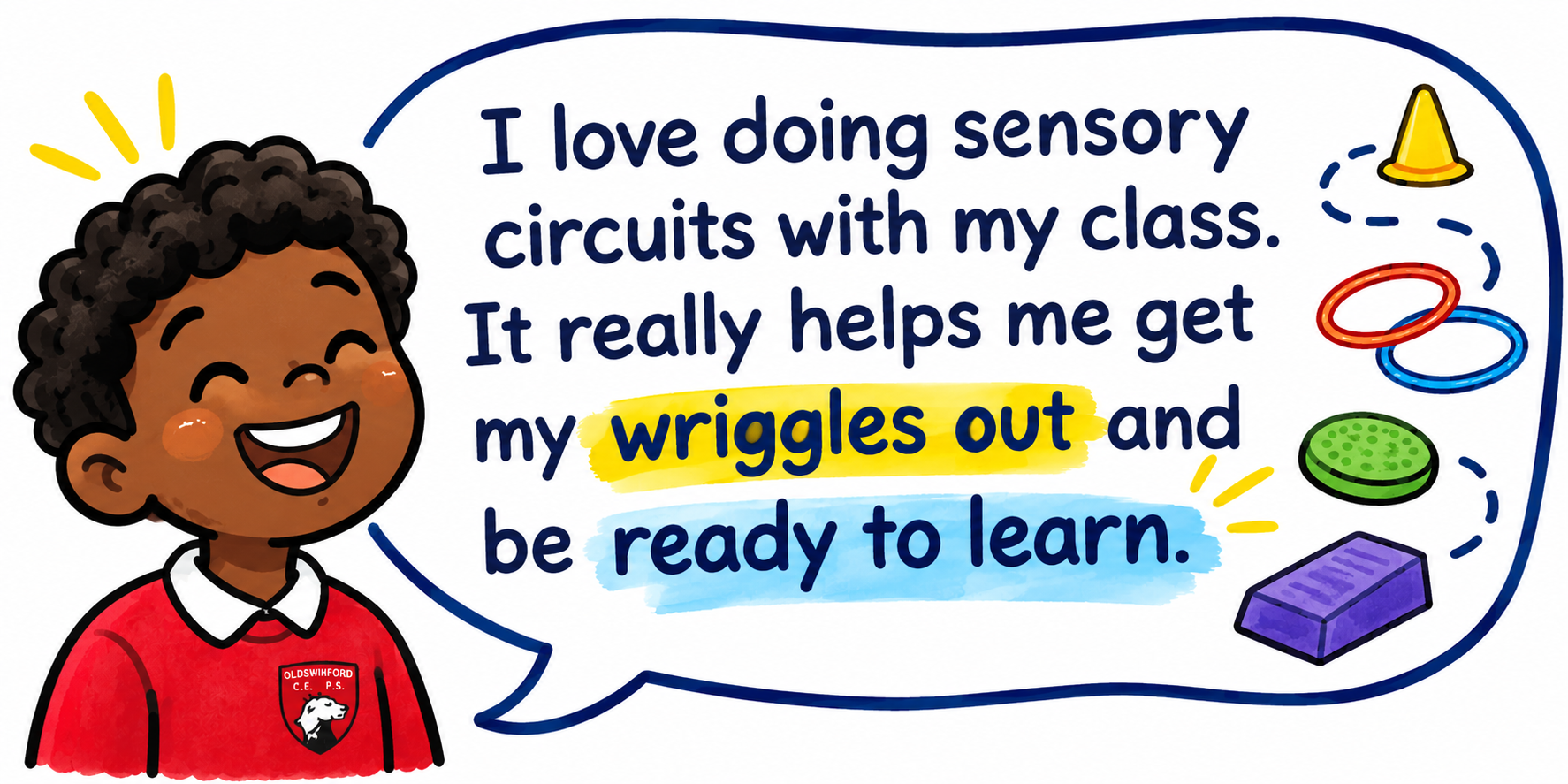
Attention, movement, posture and sensory regulation
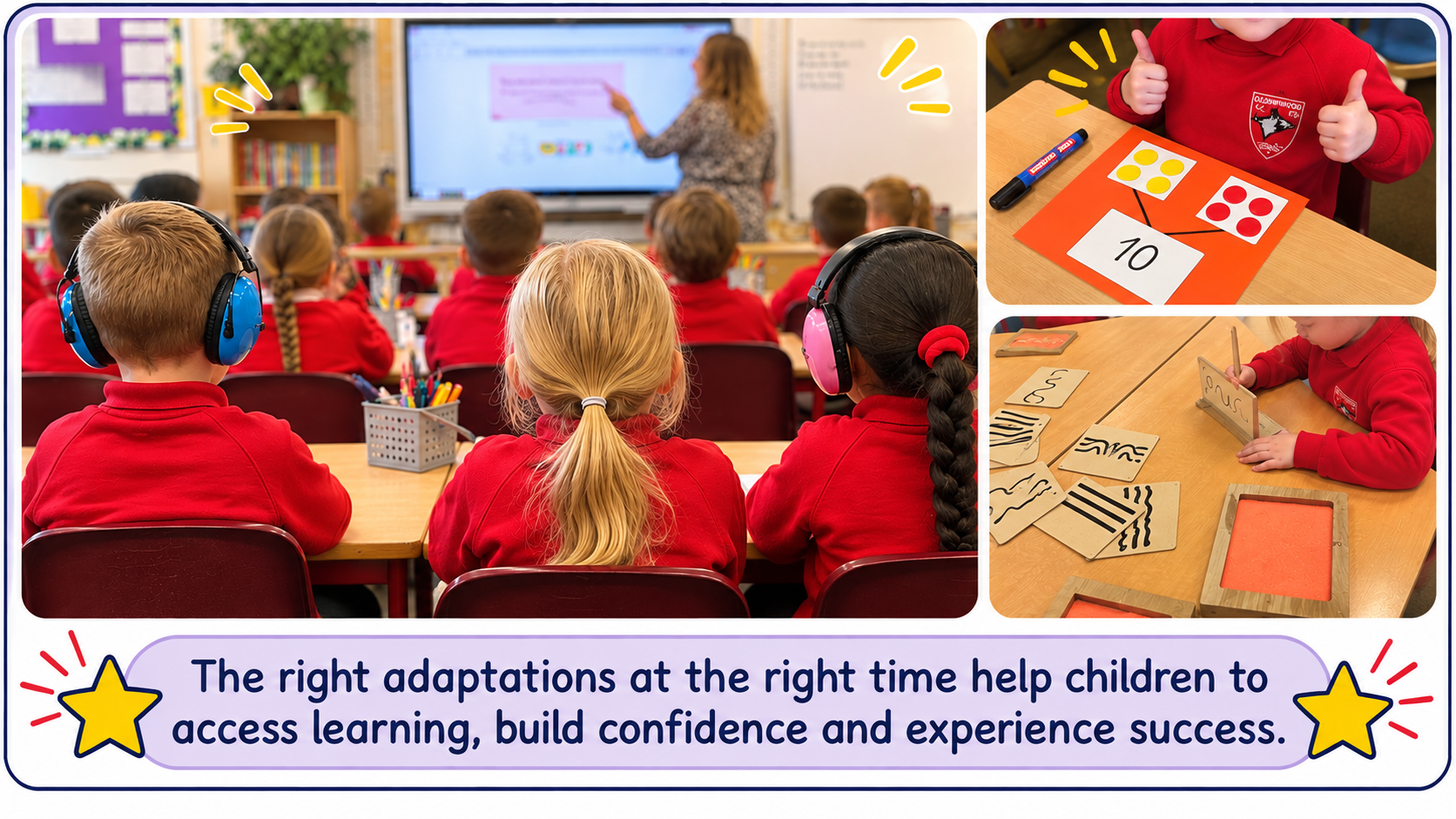
- Fidget or tactile regulation tools and noise-reducing headphones.
- Wobble stools, chair bands, floor seating and other positioning options where appropriate.
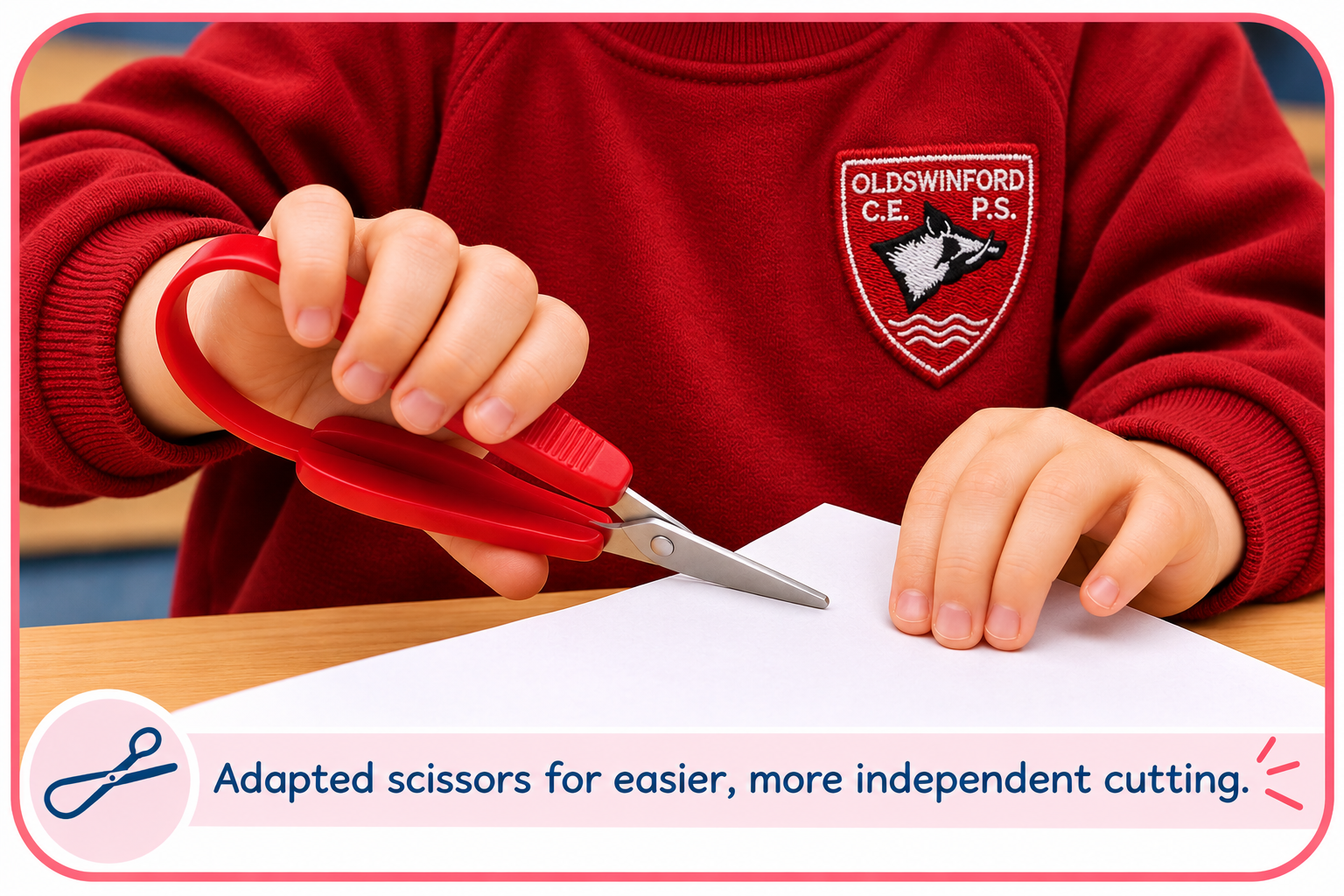
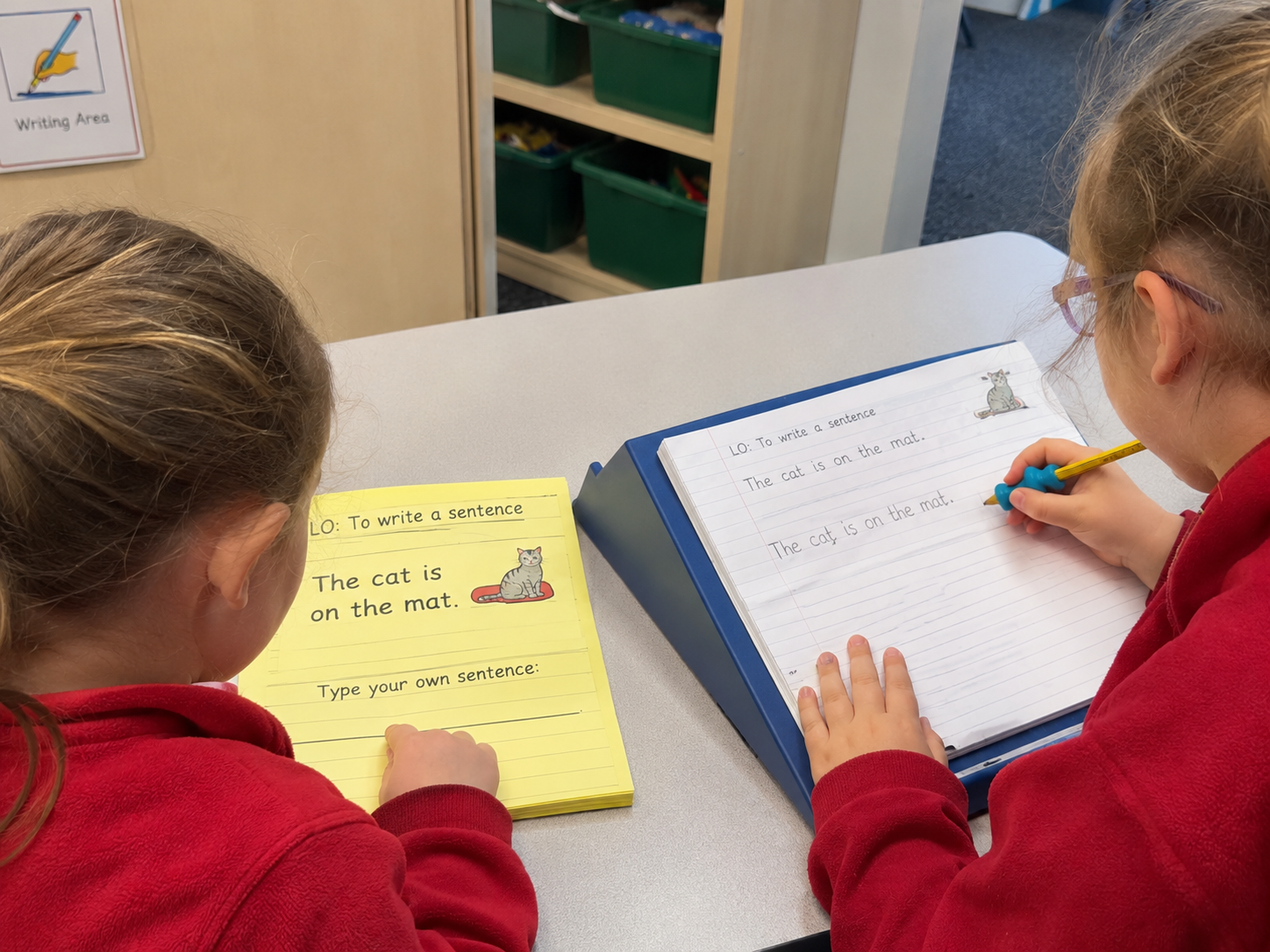
- Sloping writing boards, adapted pencil grips, scissors and tinted screens or overlays where helpful.
- Movement opportunities, sensory circuits and adjustments to classroom layout or working spaces.
Understanding, language and learning
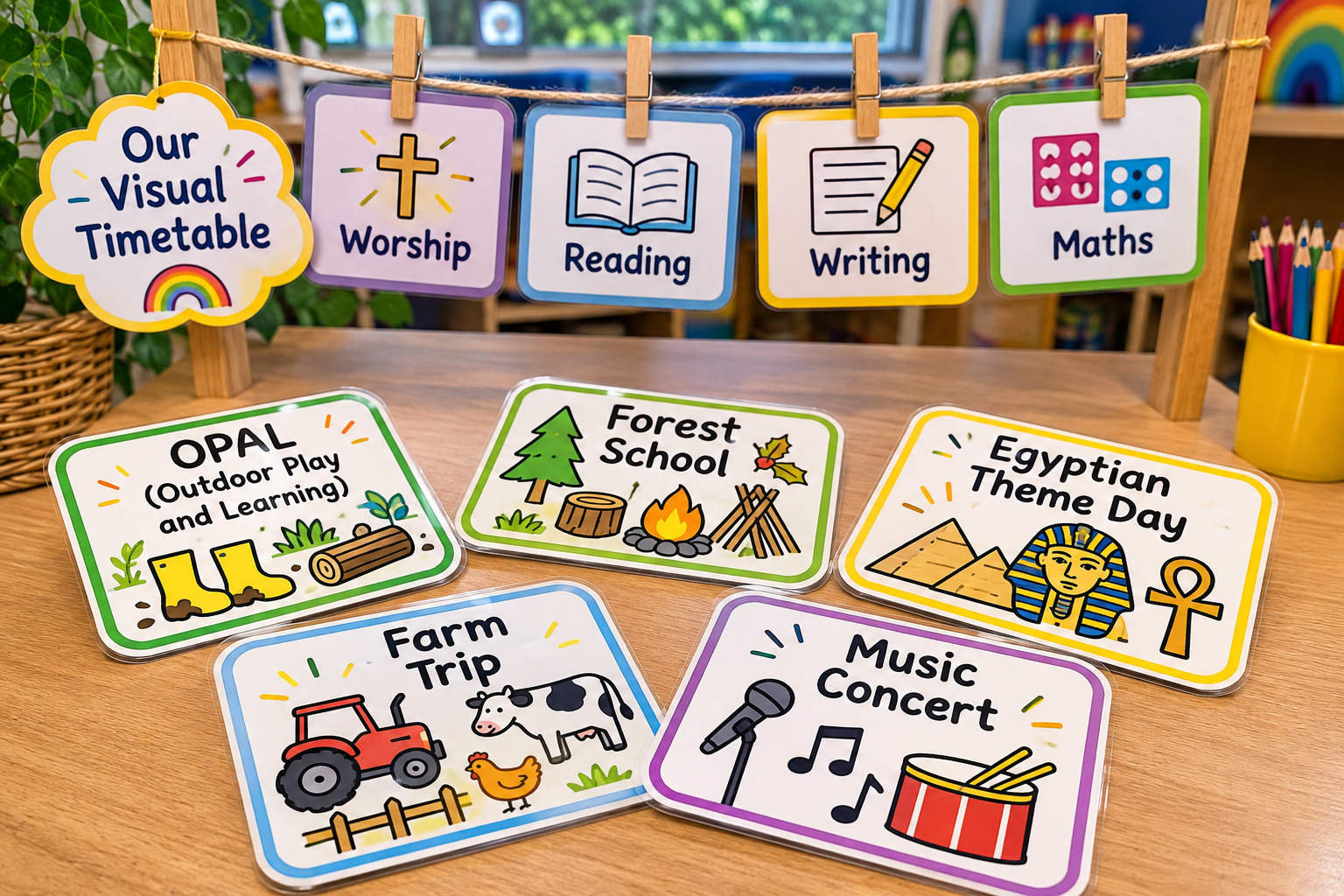
- Widgit symbols, visual timetables and structured routines.
- Dual coding: meaningful pictures alongside spoken or written information.
- Concrete–pictorial–abstract (CPA) mathematics, with practical equipment accessible to all.
- Word Aware vocabulary teaching, pre-teaching and revisiting key language.
- Colourful Semantics to support sentence construction.
- High-interest, lower-reading-demand (Hi-Lo) books.
- Practical and outdoor learning, including Forest School.
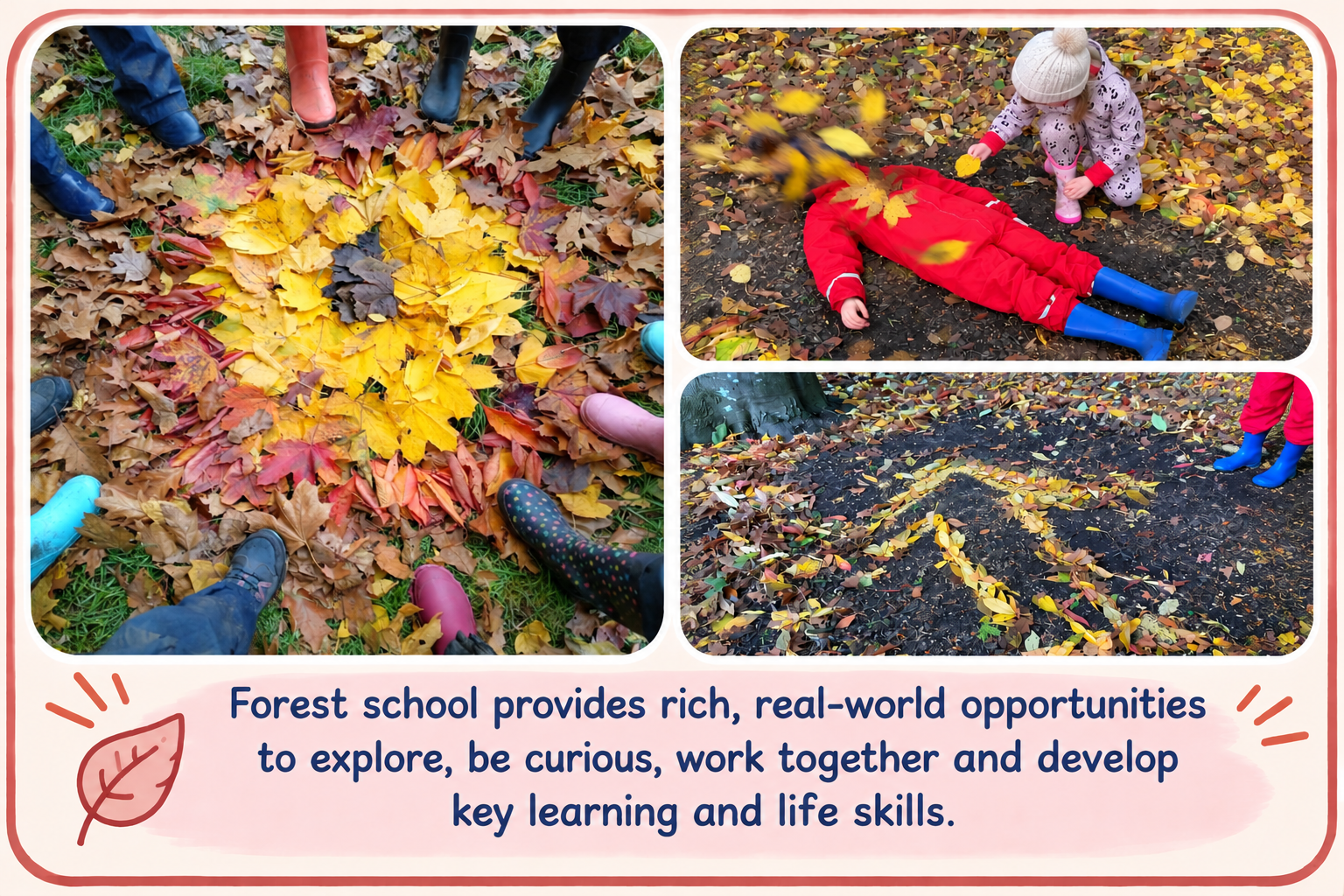
Children who need more specific adjustments may have them recorded in their Individual Support Plan (ISP) so adults can use agreed approaches consistently.
How do we support speech, language and communication?
Communication supports learning, relationships and belonging. We are developing communication-friendly environments in which children can understand information, express themselves and participate in different ways.
- Adults use clear language, manageable instructions, modelling, repetition and additional processing time when needed.
- Widgit symbols and visual supports help make routines, choices, expectations and vocabulary understandable.
- Staff in Koala Class use Makaton signs and symbols alongside speech.
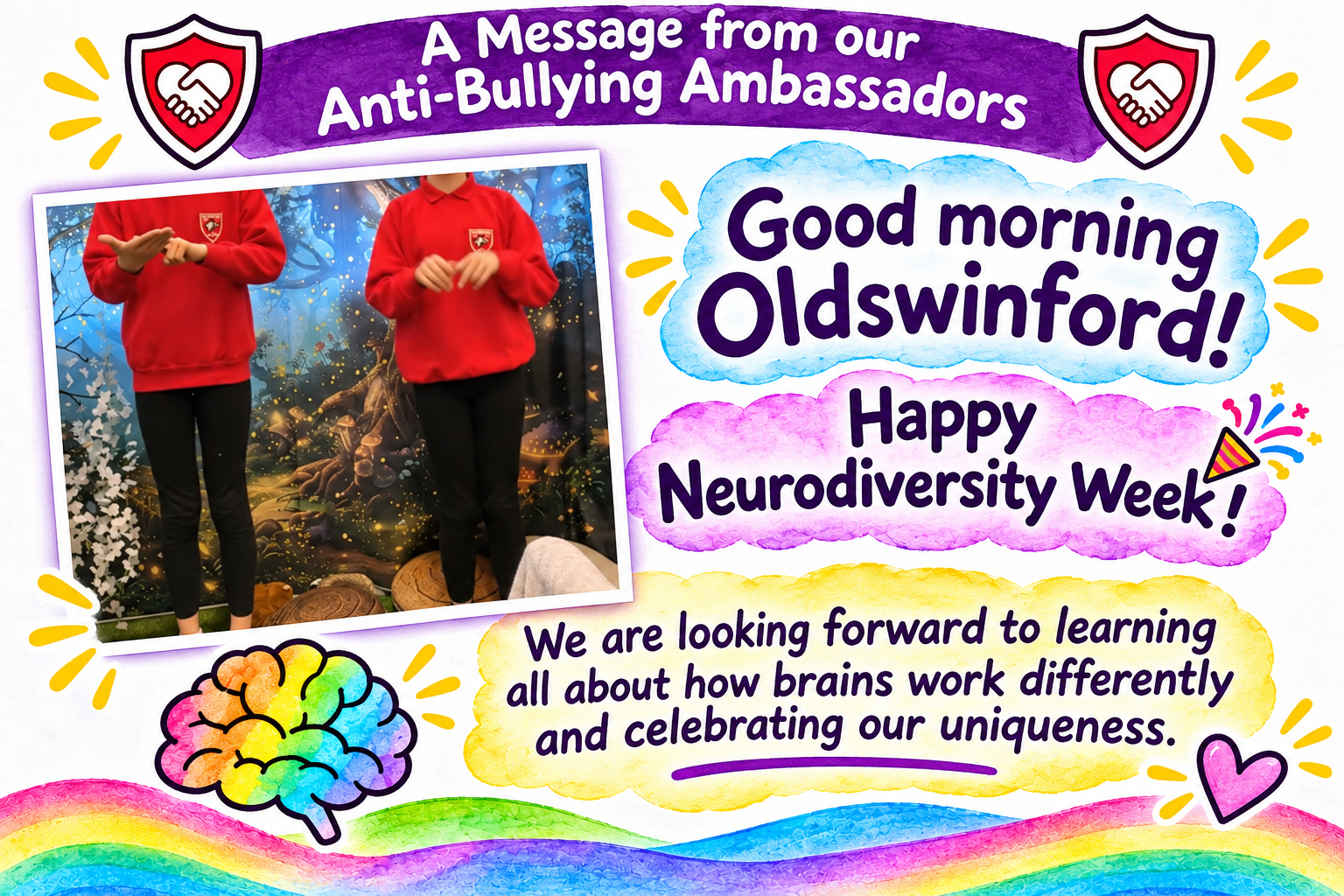
- Our Anti-Bullying Ambassadors created daily Makaton videos for the whole school.
- We are planning to extend Makaton-supported signage around school.
- Word Aware, Colourful Semantics, visuals and structured talk support vocabulary and language development.
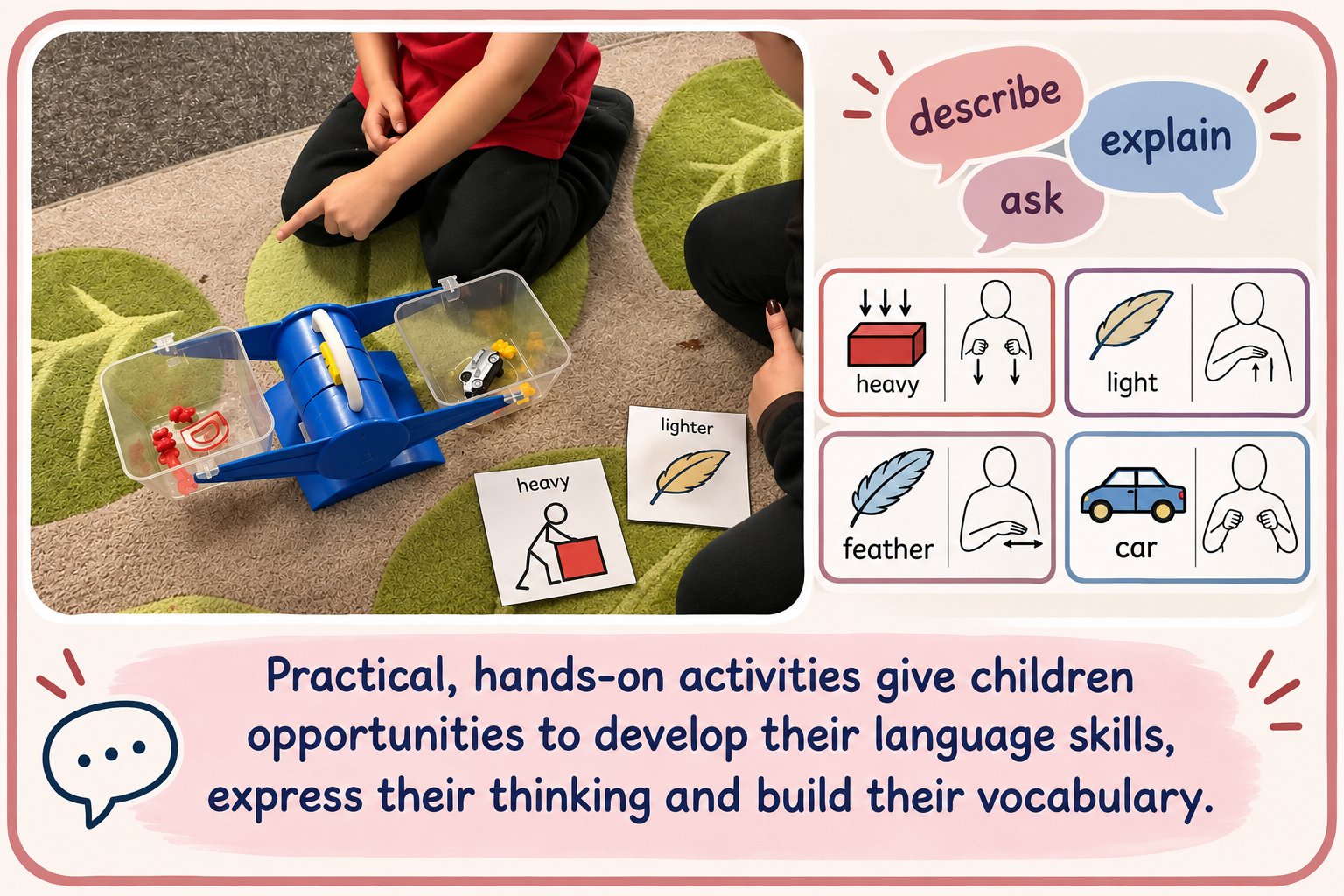
Some children need individual communication systems or advice from Speech and Language Therapists. We work with families and professionals to incorporate suitable approaches into everyday school life.
Our aim is for every child to have a voice and a meaningful way to participate.
How do we adapt activities, recording and assessment?
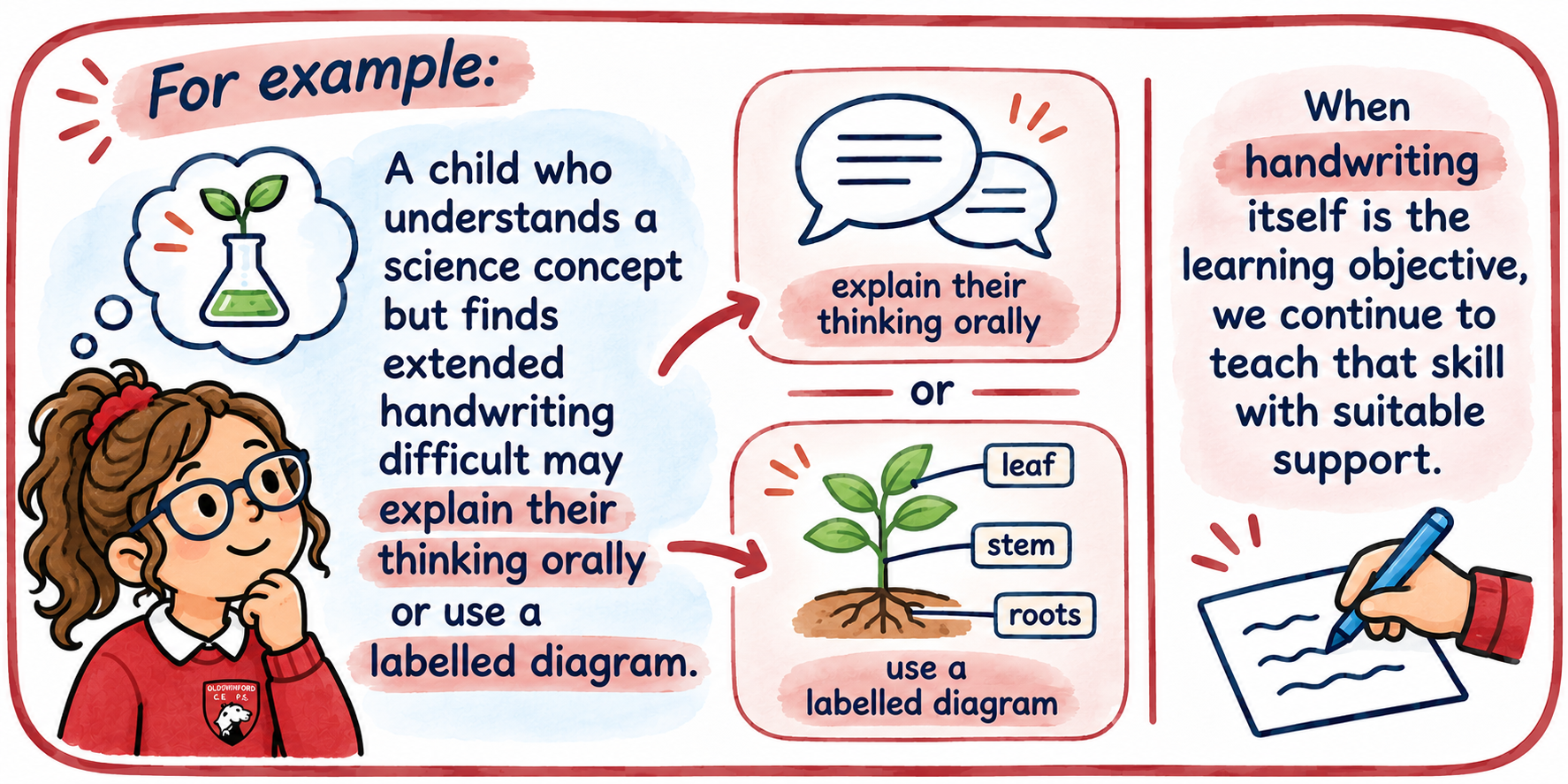
Children may understand a concept but find it difficult to show their learning through conventional written work. Teachers consider the purpose of the activity and make appropriate adjustments.
- Oral explanations, discussion, drawings, diagrams or practical demonstrations.
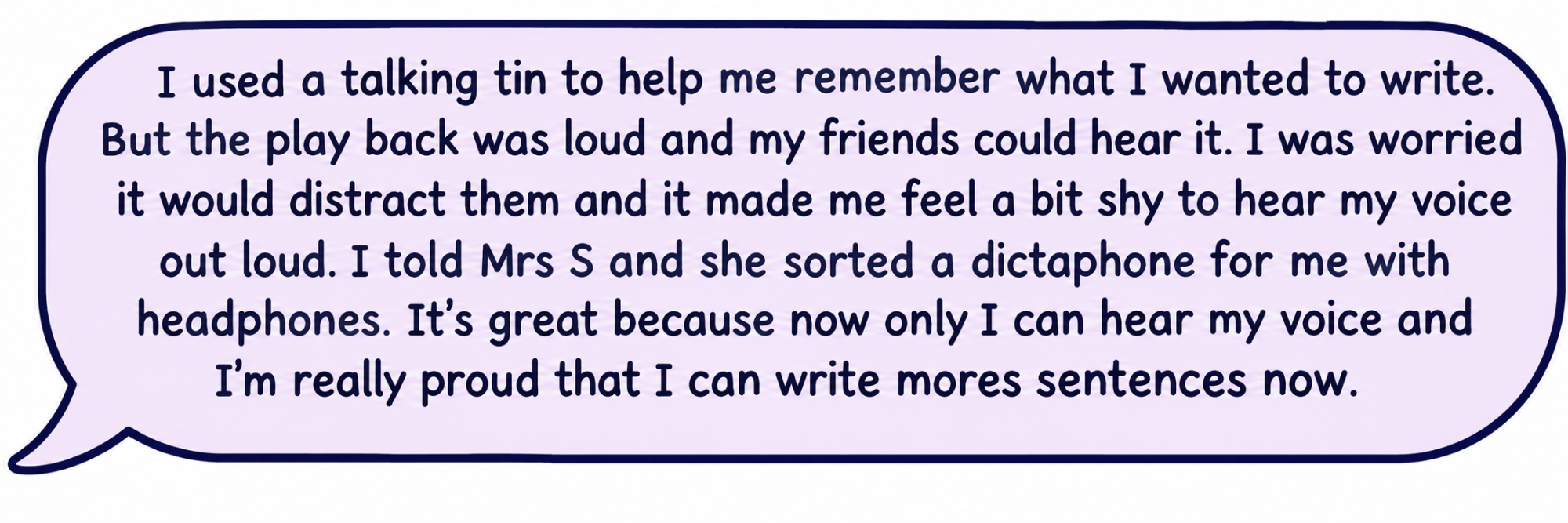
- Typing or suitable assistive technology, where available and appropriate.
- Dictation to an adult where this supports the intended learning.
- Word banks, sentence frames, templates or visual recording supports.
- Adjusted amounts of written recording when handwriting is not the learning objective.
- Additional processing time, breaks or a quieter environment where appropriate.
Assessment
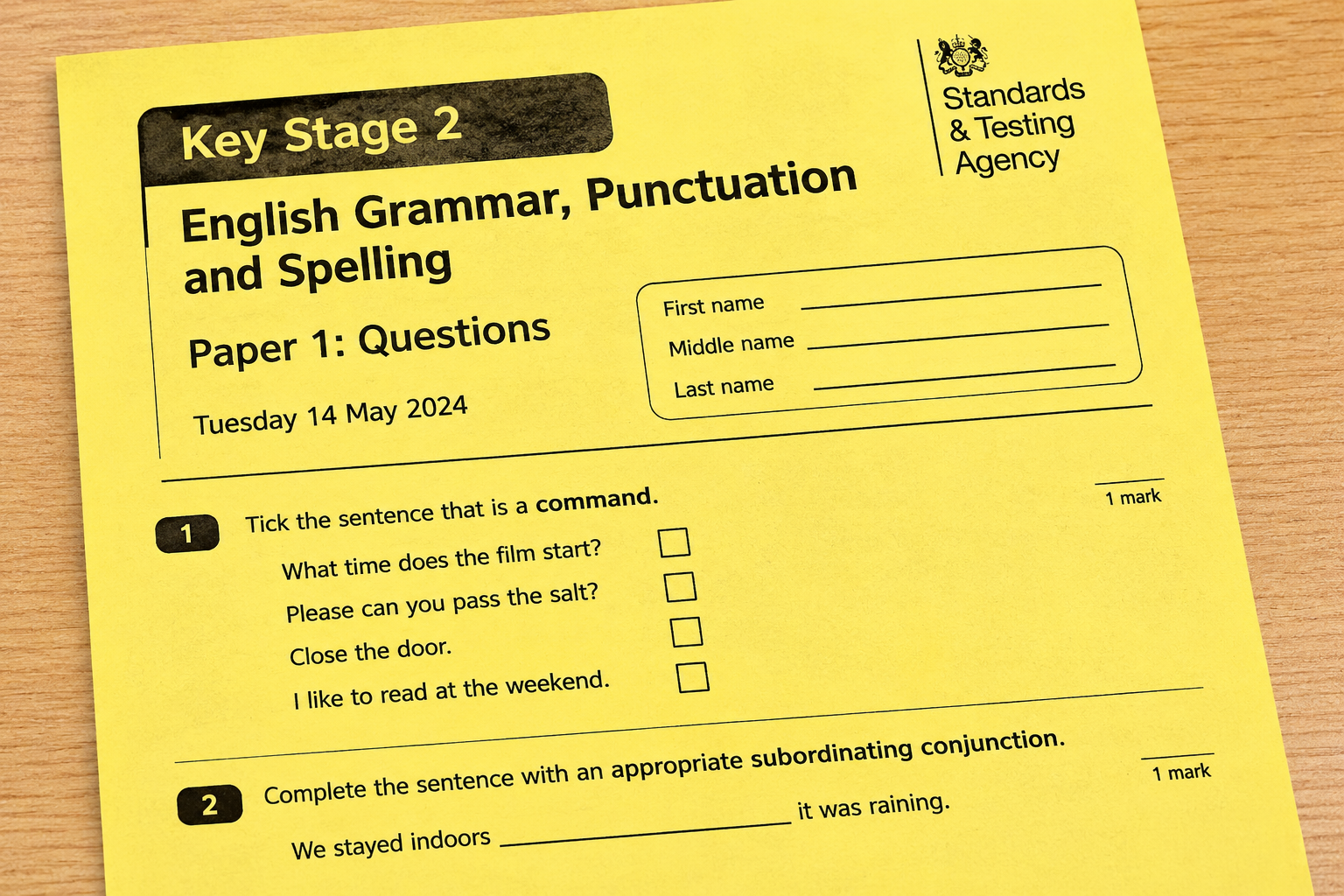
Ongoing assessment helps teachers identify what children know, where they need support and what to teach next. Where appropriate and permitted, assessment may be adapted through presentation, timing, breaks, environment or other access arrangements. Formal assessments follow the relevant rules and guidance.
What if a child cannot access the same curriculum pathway as their peers?
We have high aspirations for every child, but some children with complex learning needs cannot access the same curriculum content or pathway as their peers, even with adaptations to whole-class teaching.
Inclusion does not mean expecting every child to complete the same work. It means ensuring that every child has meaningful, ambitious and developmentally appropriate learning.
A personalised pathway may include:
- Foundational communication, interaction, cognition, physical development and independence skills.
- Practical, sensory, structured or highly individualised learning experiences.
- Smaller developmental steps, repeated practice and opportunities to apply skills in different situations.
- Specialist approaches, resources and adult support.
- Connections with shared classroom themes and opportunities to learn and participate alongside peers wherever meaningful.
Recognising progress
For children who cannot yet access National Curriculum assessment, we use Dudley’s AAT assessment pathway to support the identification of developmental priorities and recognition of progress. Individual learning is planned and reviewed through relevant support arrangements, including ISPs, Assess–Plan–Do–Review (APDR) plans and Education, Health and Care Plans (EHCPs) where applicable.
A different learning pathway should never mean reduced belonging or fewer opportunities to succeed.
How do we make our environment and information accessible?
Accessibility includes being able to understand information, communicate, move around school, participate in activities and feel comfortable in the learning environment.
Physical and environmental access
We consider individual mobility, posture, positioning and access needs, working with families and relevant professionals to identify reasonable adjustments. We also consider sensory factors such as noise, lighting, busy spaces and the availability of quieter working areas. Physical improvements requiring premises planning are considered through the school’s Accessibility Plan.
Accessible information
We aim to provide information in ways children and families can understand, including clear language, visual supports and Widgit symbols. Our Accessibility Plan also identifies arrangements such as large-print materials, alternative paper formats and additional support with homework information. Families can contact the school to discuss an accessible format or adjustment that would help them.
We are developing the use of Widgit-supported signage around school; this is a planned improvement rather than a completed school-wide provision.
Participation beyond lessons
We consider accessibility in assemblies, playtimes, educational visits, Forest School and wider activities, identifying barriers and planning appropriate adjustments so that children can participate safely and meaningfully.
Further information: Click to read our school Accessibility Plan .
Inclusive teaching in action: barrier → adaptation → intended impact
These examples illustrate how an adjustment may help. We check its actual impact for each child rather than assuming it will work.
| Barrier | Adaptation | Intended impact |
|---|---|---|
| Lengthy verbal explanations make mathematical thinking difficult to follow. | Short instructions, visual modelling and concrete equipment within the CPA approach; check between steps. | The child can engage with the mathematical ideas and show understanding. |
| Handwriting demands make it difficult to communicate ideas. | A slope board, pencil grip or alternative recording method when handwriting is not the main objective. | The child can demonstrate learning without unnecessary physical barriers. |
| A busy environment makes it difficult to stay regulated and ready to learn. | Agreed noise-reducing headphones, movement opportunities or sensory circuits. | The child is supported to participate, feel comfortable and return to learning. |
Listening to teachers and children
Our commitment: access, participation and independence
Inclusive teaching is an ongoing process of understanding each child, identifying barriers, responding thoughtfully and reviewing what works. We want children to receive the support they need while developing confidence, independence and a positive sense of themselves as learners.
Every child should have the opportunity to believe, achieve
and shine brighter together.
Find out more: Learning, Curriculum Access & Participation; Sensory Differences & Support; Accessibility Plan .
05> Additional Support & Specialist Provision
The right support, at the right time, for every child
At Oldswinford, our inclusive classrooms provide a strong foundation for learning and belonging. Some children also benefit from additional teaching, targeted interventions or highly personalised specialist provision. We identify the barriers each child experiences, listen to children and families, and select support that helps them learn, participate, develop confidence and become increasingly independent.
Our provision map is a working record of the support we are delivering, not a fixed menu. Interventions may be introduced, adapted, reinstated or designed specifically in response to assessed needs. A diagnosis is not required before we consider appropriate support.
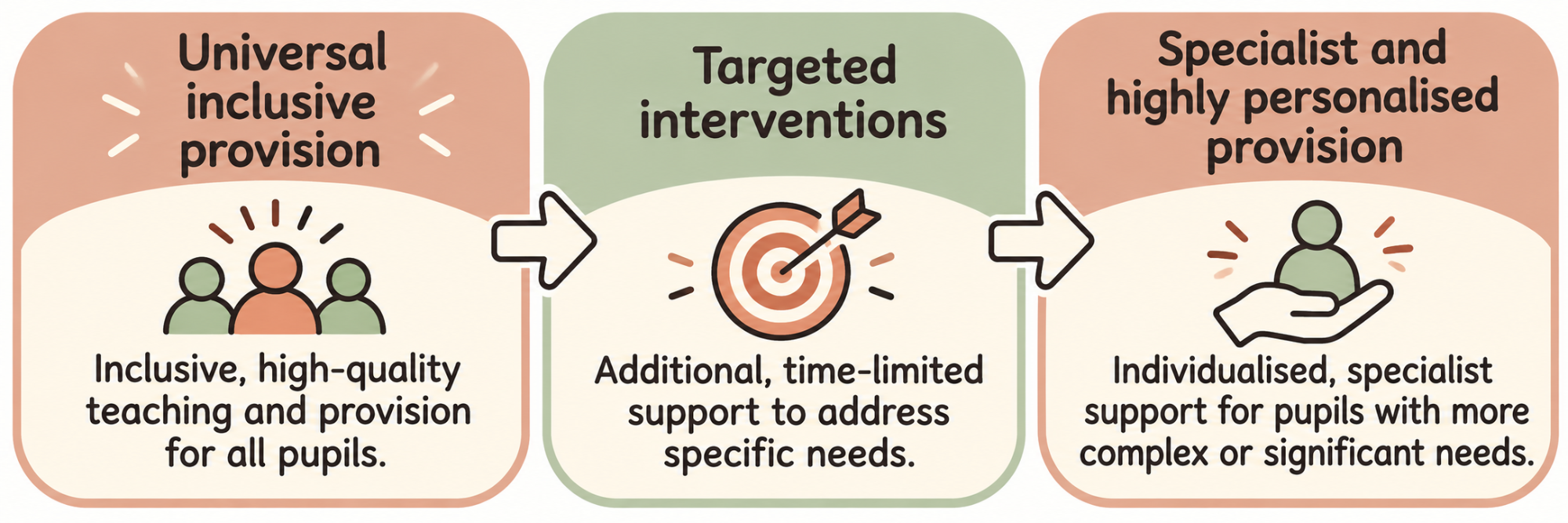
Universal provision: Adaptive teaching, accessible resources, communication-friendly classrooms, relational practice and sensory-informed approaches available across school.
Targeted provision: Additional individual or small-group teaching and interventions to address identified skills and needs.
Specialist provision: Highly individualised approaches, including provision informed by external professionals, Koala Class and support specified in Education, Health and Care Plans (EHCPs).
What additional support is available?
Provision Map
Our provision map helps us organise, monitor and evaluate additional support. It records interventions being delivered and allows us to review the time, resources and progress associated with them. Some programmes run regularly; others are introduced when an individual or group of children needs them. We may also develop bespoke provision where an existing programme is not the best match.
Examples of interventions used at Oldswinford, including those recorded in our current and previous provision maps, include:
Speech, language and communication
Colourful Semantics; pre-teaching vocabulary; speech sound production activities; targeted language programmes informed by Speech and Language Therapy; and communication support through visual resources, Widgit symbols and Makaton.
Literacy, writing and mathematics
Rocket Phonics; bespoke spelling; comprehension and reading support, including Comprehension Crusher; Phonological Awareness intervention (NIPA); Toe-by-Toe; Kinetic Letters; handwriting and fine-motor activities; Plus 1; Power of 2; and targeted mathematics groups.
Social communication, relationships and interaction
LEGO Therapy; Talk About Developing Friendships; neurodiversity-affirming activities and resources; and structured opportunities to practise shared attention, communication, cooperation and turn-taking.
Emotional wellbeing and regulation
ELSA; nurture groups; Hey Warrior; Language for Behaviour & Emotions; Milo & Hamish; Therapeutic Treasure Box and Therapeutic Treasure Deck activities; and personalised key-adult support.
Sensory, movement and physical development
Sensory circuits; Get Moving; fine-motor activities; personalised movement and regulation opportunities; and equipment or strategies selected for individual needs.
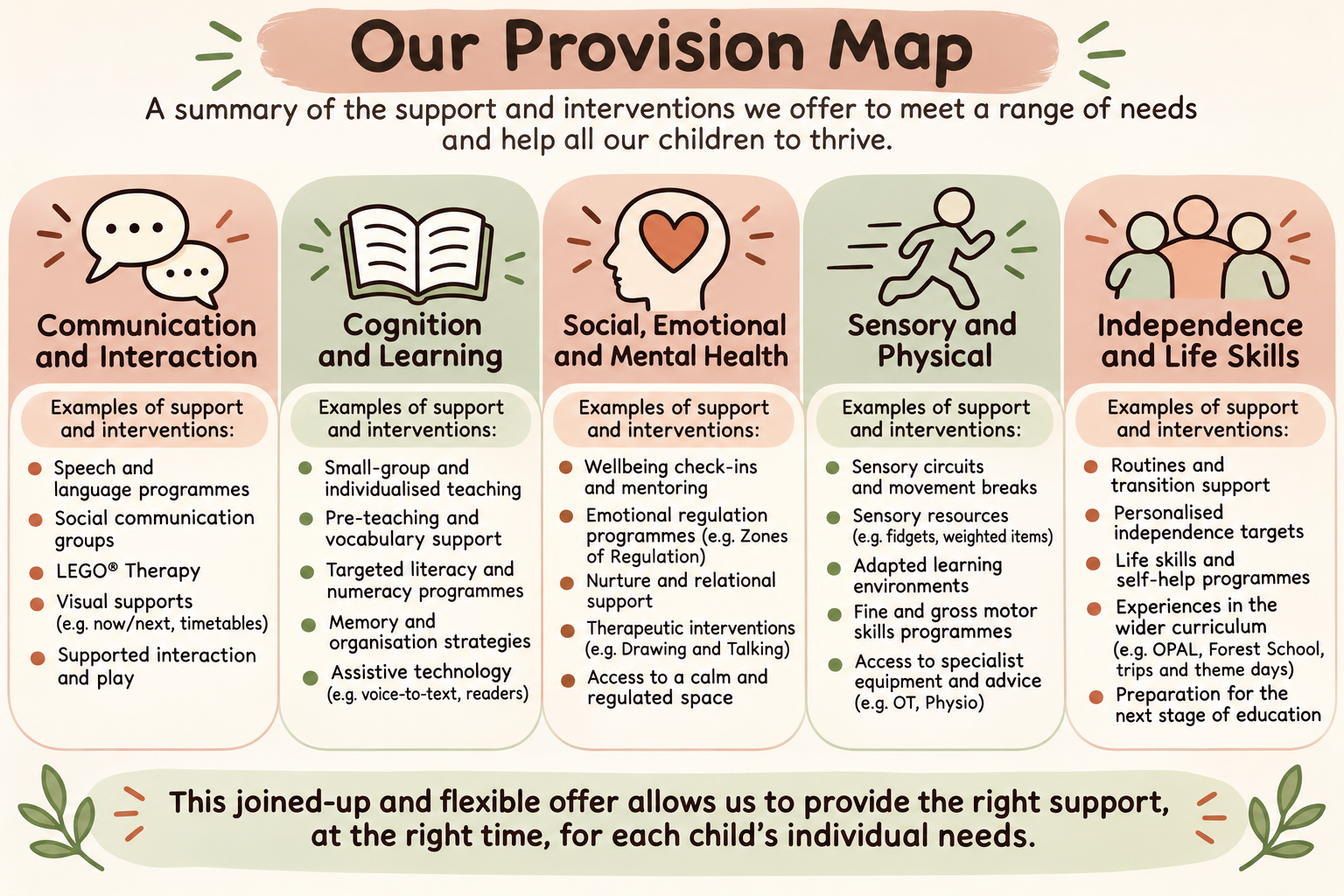
These are examples, not a guarantee that every programme is running at a particular time or is suitable for every child. Children may receive support across more than one area, and provision is reviewed as needs change.
How do our speech, language and learning interventions help?
Some children need additional opportunities to understand language, communicate ideas, secure early skills or practise learning in smaller, manageable steps. Targeted sessions complement classroom teaching and focus on specific, agreed outcomes.
For example, pre-teaching vocabulary can help a child understand and use ambitious words in their independent writing. Colourful Semantics can support sentence building. Practical mathematical programmes can strengthen number understanding through concrete equipment, visual models and repeated practice.
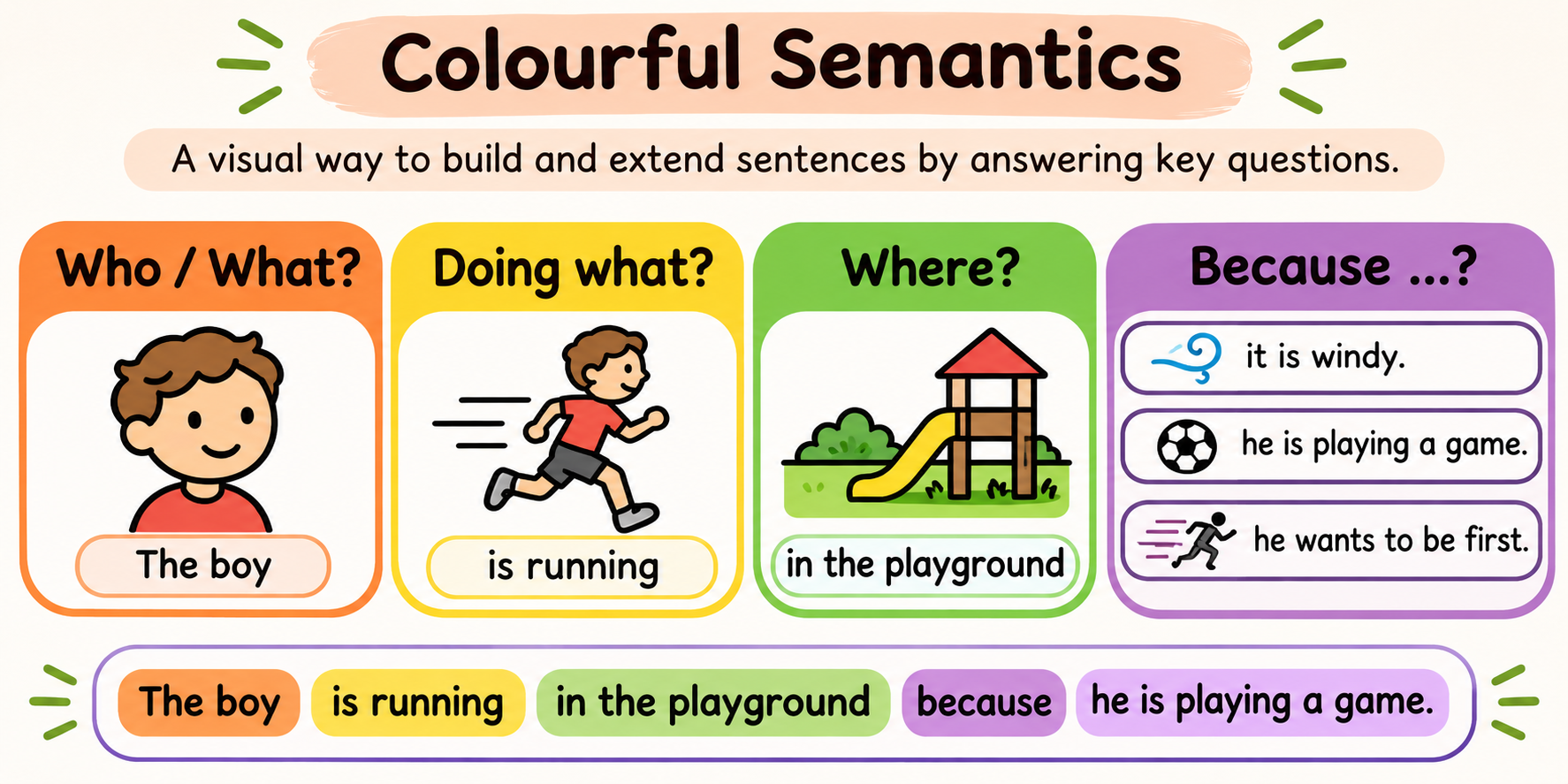
Staff select activities based on assessment and, where relevant, advice from the Speech and Language Therapy (SaLT) service or Learning Support Service (LSS). We look for evidence that children are beginning to use new skills in lessons and everyday situations, not only during the intervention session.
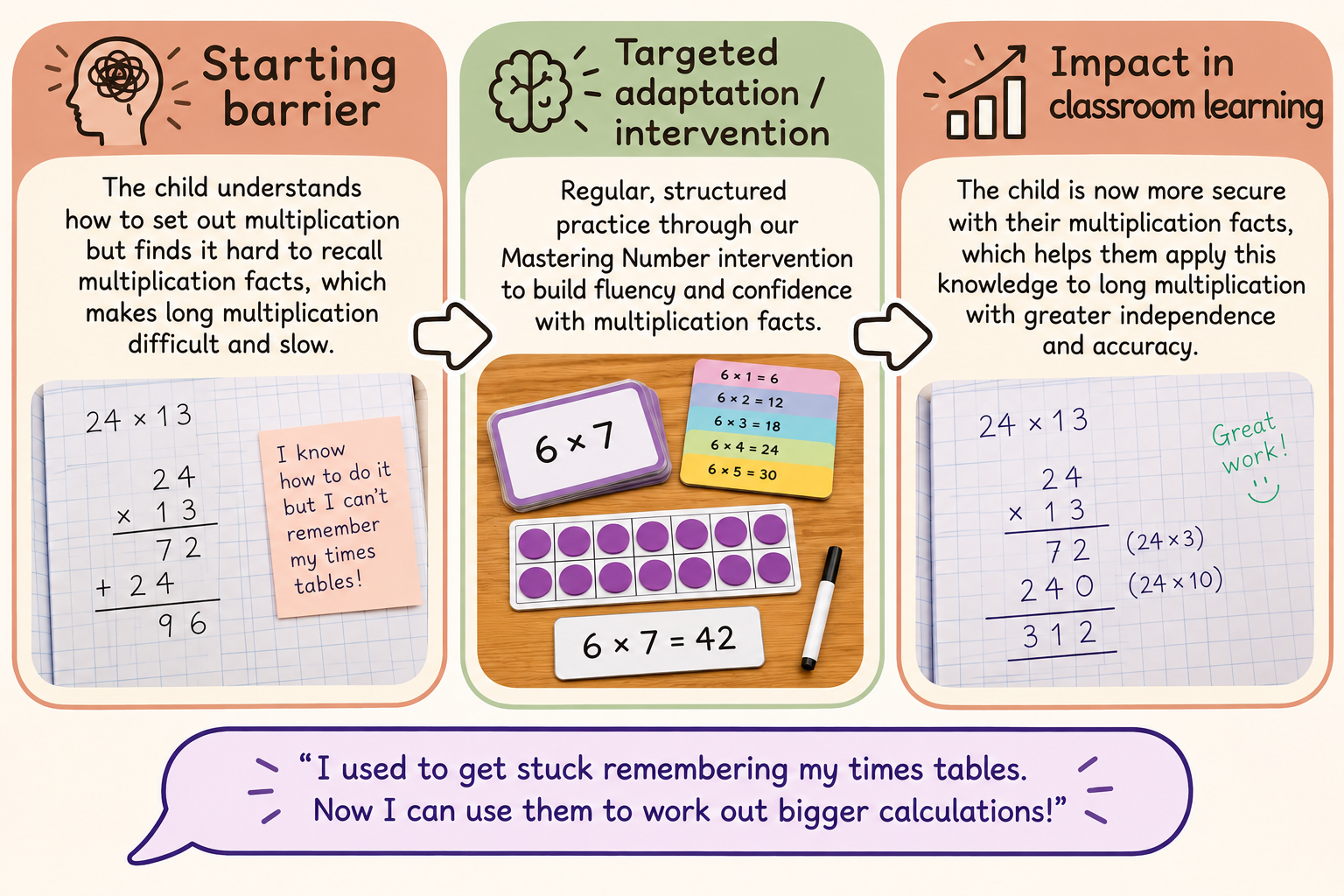
How do we support social, emotional, sensory and physical needs?
We recognise that emotional wellbeing, relationships, sensory experiences and physical development can affect a child's participation in school. We aim to understand what the child is communicating through their behaviour and experiences, rather than expecting every child to respond in the same way.
Additional support may include nurture groups, ELSA sessions, trusted-adult check-ins, LEGO-based collaborative activities, structured friendship support, emotional literacy resources, sensory circuits, movement activities and fine-motor development.
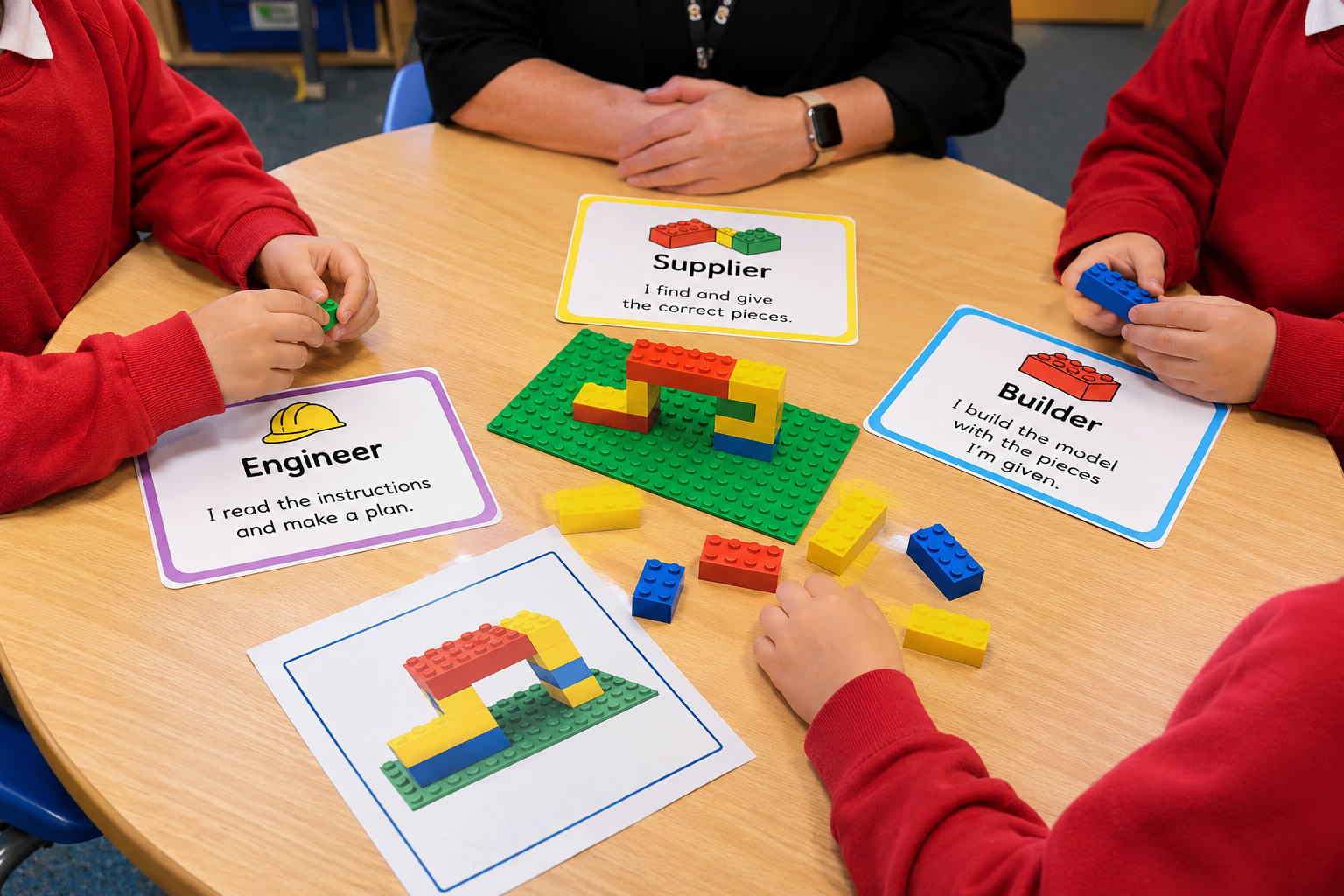
Strategies are personalised. For one child, a planned movement opportunity may help them settle and re-engage with learning; for another, a quieter space, a predictable routine or additional support with peer interaction may be more useful.
Our aim is to support wellbeing, belonging and independence, while making sure children continue to access meaningful learning and friendships.
Find out more: Mental Health & Well-Being, Behaviour & Relationships , Attendance & Belonging; Neurodiversity-Affirming & Sensory-Informed Practice.
Koala Class: Our internal SEND resource base
Koala Class is our internal school resource base, primarily for children with significant communication and interaction needs who require a highly personalised approach.
It is led by a Higher Level Teaching Assistant (HLTA), supported by two teaching assistants and overseen by the SENCO. The three permanent staff support a small group of approximately three to six children throughout the day.
Children accessing Koala Class have EHCPs or have high levels of identified need and are awaiting an Education, Health and Care needs assessment.
Access to Koala Class is a school-led decision made by the SENCO in consultation with parents, carers and relevant professionals, taking account of the child's individual needs and the provision required. It is not a separate local authority-allocated placement.
Personalised learning and communication
Each child follows a personalised curriculum based on developmental assessment and specialist recommendations. Staff use Dudley's AAT assessment pathway to identify meaningful learning priorities and monitor progress. Communication is central to the day: staff use Makaton, Widgit symbols, WellComm, Attention Autism approaches, structured teaching informed by TEACCH principles, and planned opportunities for shared attention, turn-taking, social interaction and independence.
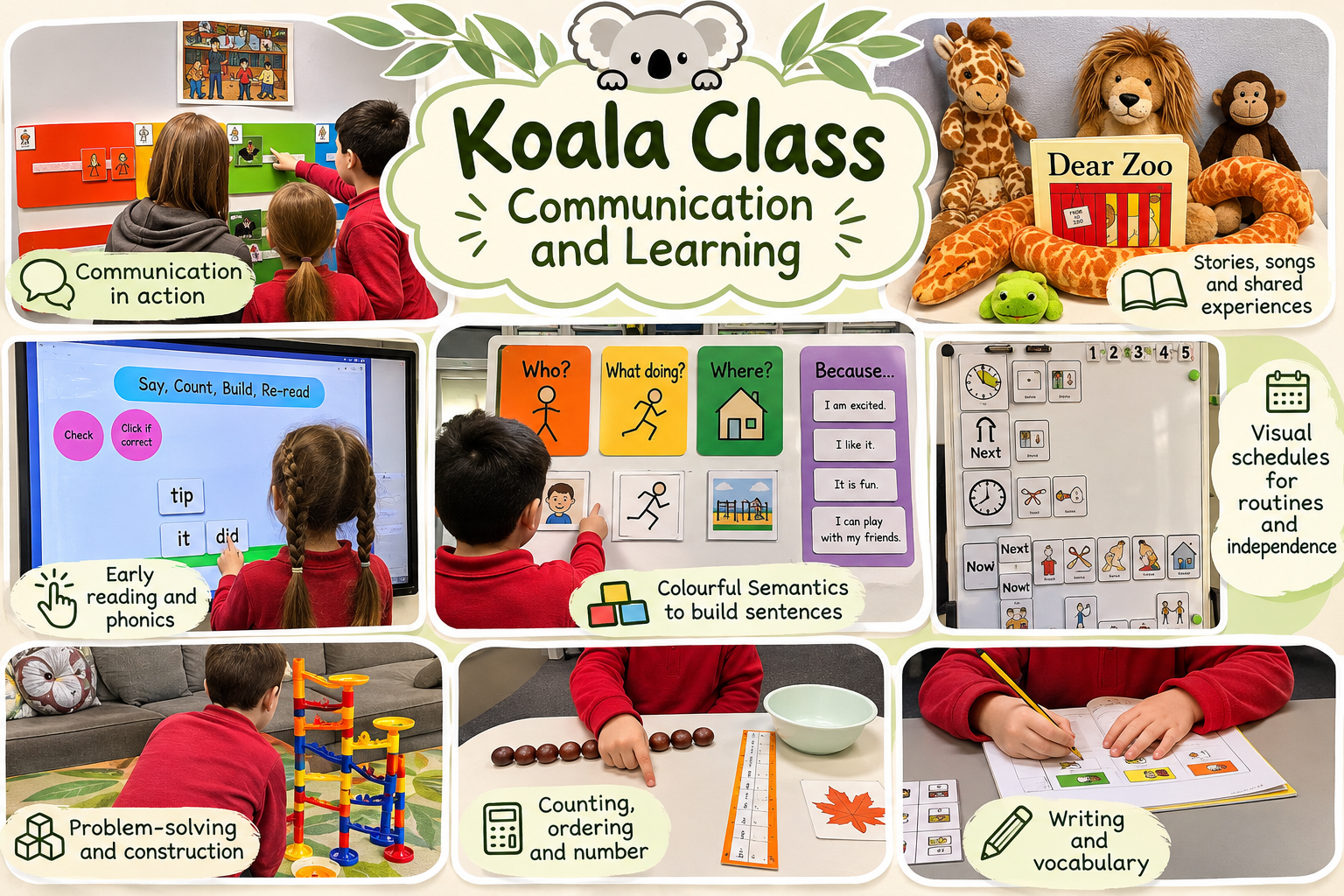
Sensory-informed and specialist support
Provision includes sensory stories, sensory play, sensory circuits and individualised regulation resources. Where appropriate to assessed needs, equipment may include spinning chairs, pressure cubes and stretch suits. Koala Class also benefits from a high level of input from senior Speech and Language Therapy professionals, with recommendations integrated into daily practice.
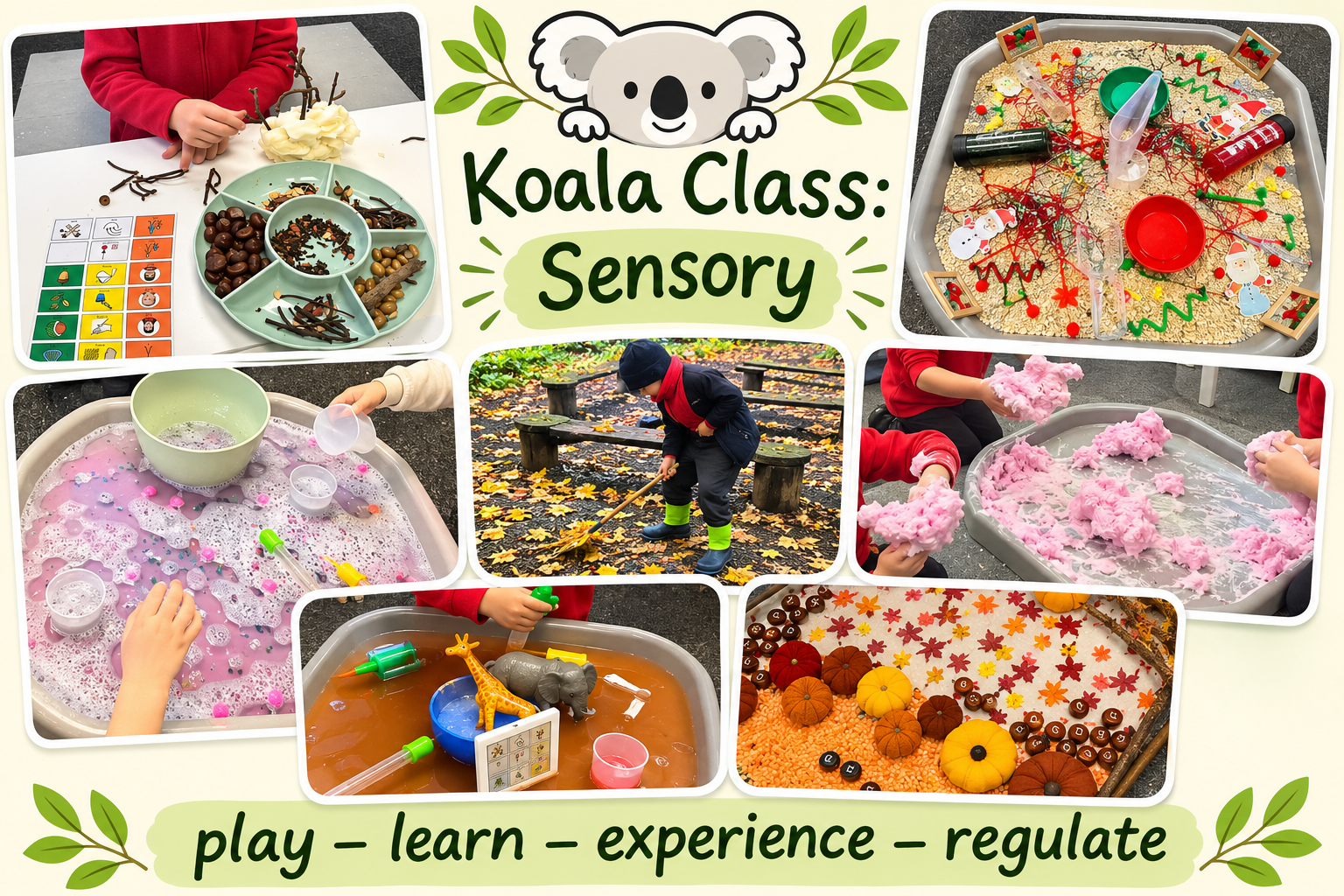
Belonging and participation
Children remain members of the wider Oldswinford community. They access their mainstream classes when appropriate for their individual needs and join whole-school OPAL play, breaktimes and lunchtimes. They participate in mainstream class trips where suitable and also enjoy experiences planned specifically for Koala Class, including a recent farm visit with animal encounters and mini golf. Nurture-based Forest School and a personalised collective worship offer help children participate in outdoor, spiritual and wider school life in meaningful ways.
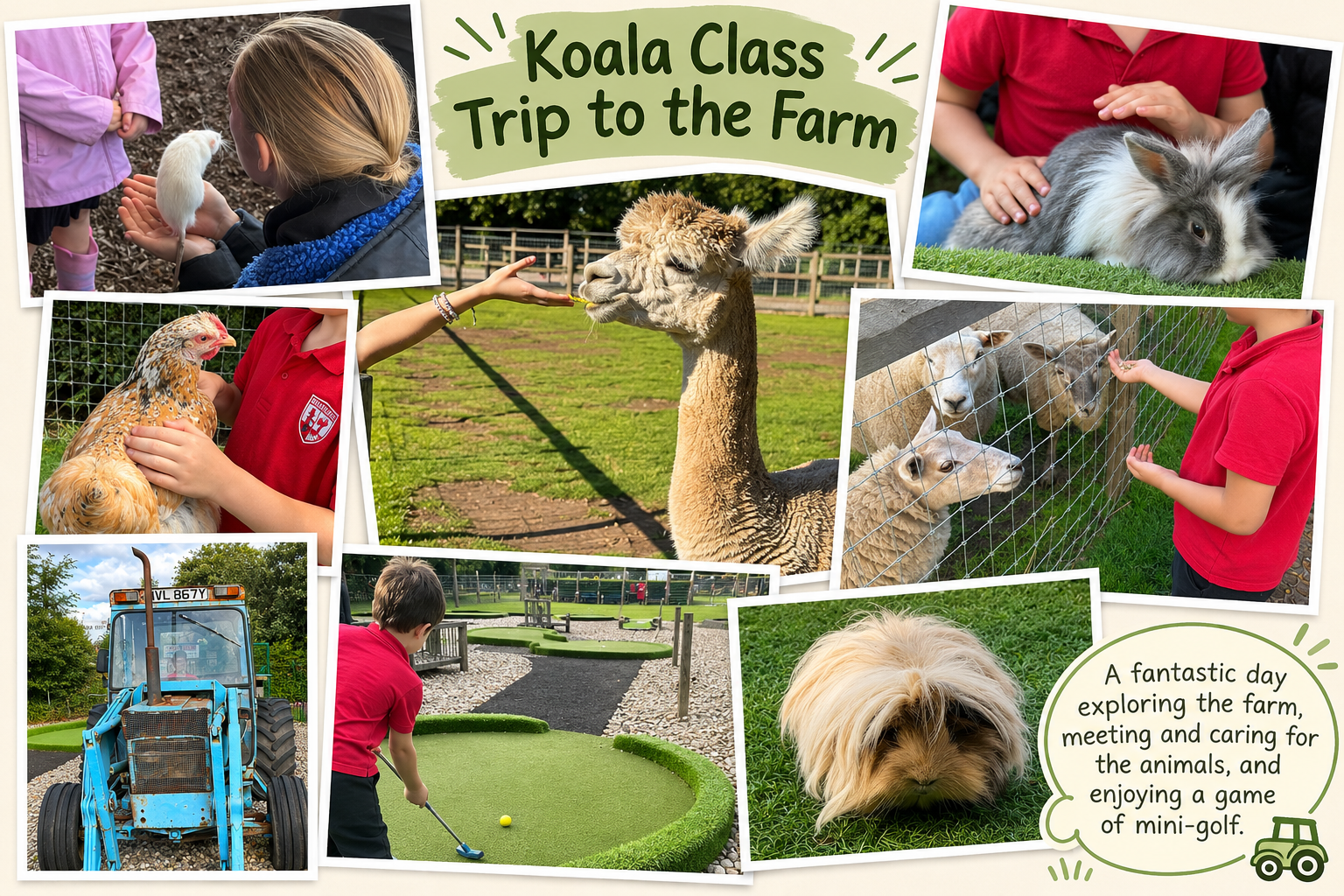
Our ambition is meaningful, developmentally appropriate learning alongside genuine belonging — not an expectation that every child must follow the same curriculum pathway.
Chatterbox: Targeted learning and communication support
The Chatterbox is our dedicated, purpose-resourced intervention room. It provides a quiet, low-distraction environment with resources selected to support communication, language and learning.
Sessions are delivered by Mrs Vicky Dunn, our SEND Assistant, who brings particular expertise in speech, language and learning support. Children attend individually or in small groups for both school-planned interventions and personalised programmes recommended by Speech and Language Therapy (SaLT) or the Learning Support Service (LSS).
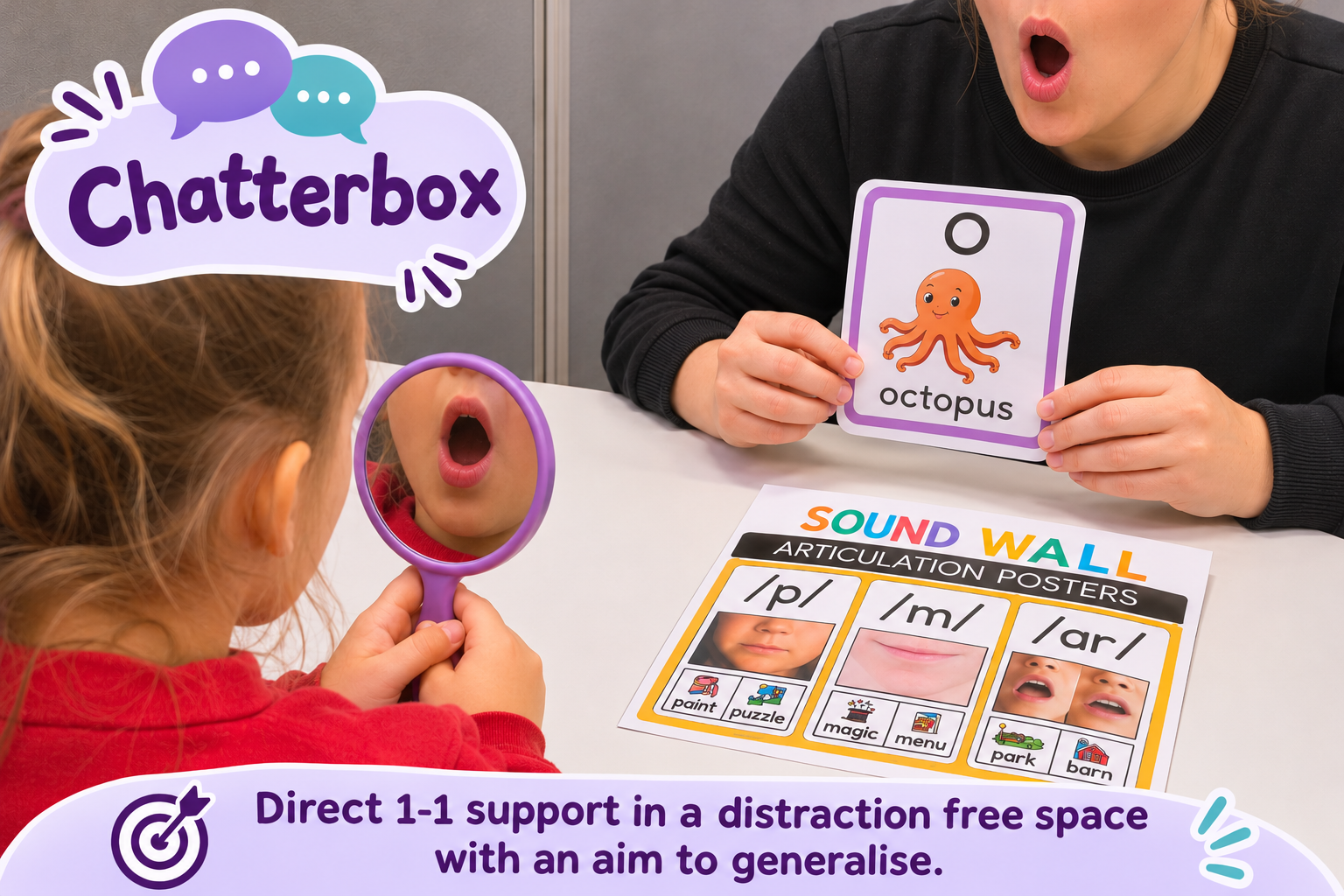
Each session has a clear purpose linked to the child's assessed needs. Activities may focus on speech sound production, understanding and using language, literacy, specific learning skills, confidence or independence. Classroom staff and the SEND team work together to help children use their developing skills beyond Chatterbox.
Chatterbox complements inclusive classroom teaching; it does not replace it.
The Treehouse: Our nurture room and garden
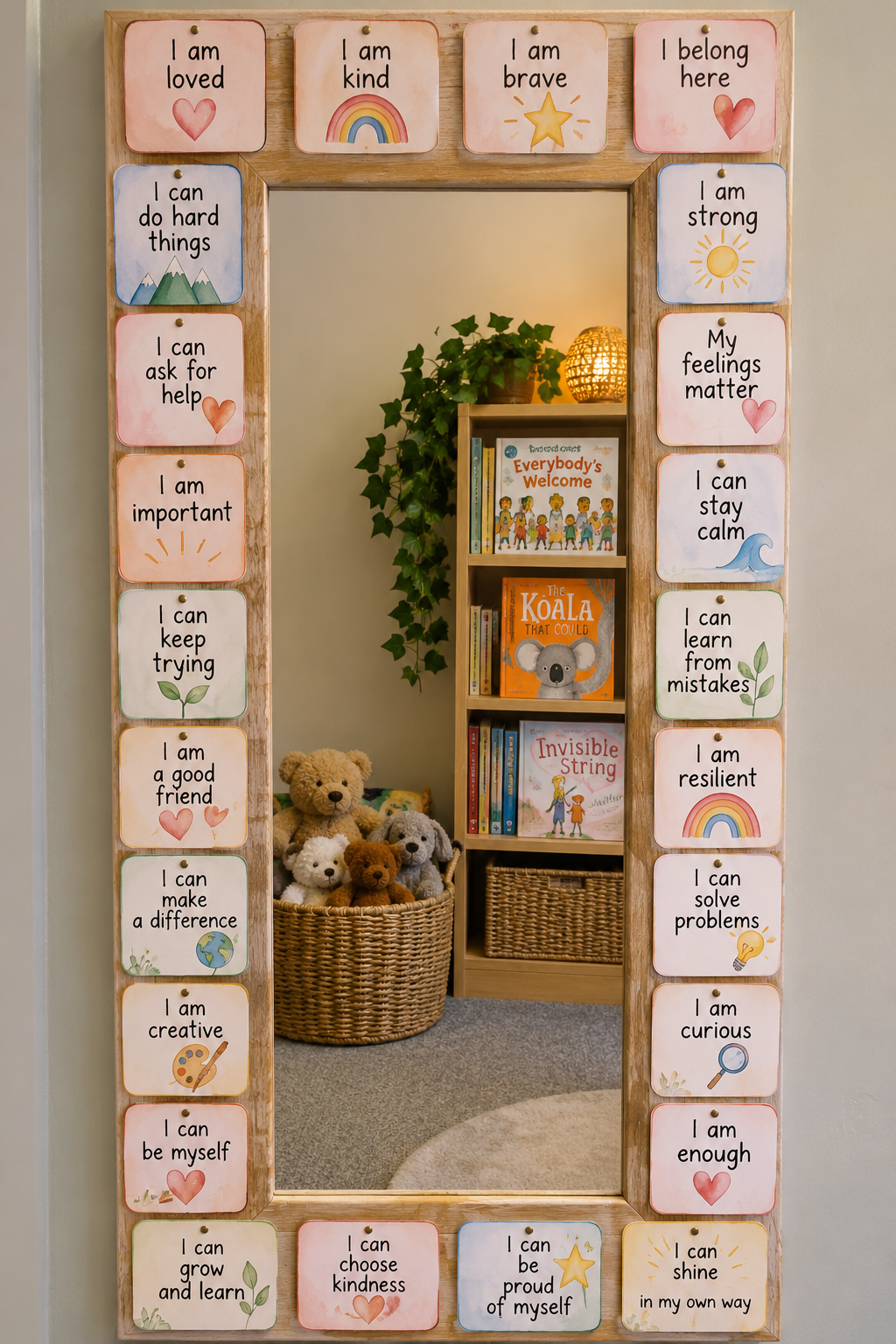
 The Treehouse is our dedicated nurture room and garden: a welcoming, supportive environment where children can build trusting relationships, develop emotional understanding and feel a sense of safety and belonging.
It is a flexible space used for planned nurture interventions and individual emotional support, regulation and therapeutic activities throughout the school day. Children may benefit from regular sessions or access additional support at particular times, according to their needs.
How children use The Treehouse
- Nurture groups: supportive activities that help children develop confidence, emotional literacy, relationships and social skills.
- Individual emotional support: opportunities to talk, reflect and process experiences with a trusted adult.
- Regulation support: a calm, relational environment where children can use personalised strategies and receive co-regulation when needed.
- Therapeutic activities: play, creative resources, games and structured activities that support emotional expression and development.
- Our Treehouse garden: outdoor nurture, sensory exploration and nature-based experiences that support wellbeing and connection.
The Treehouse is not simply somewhere children go when things become difficult. It is also used proactively to strengthen emotional wellbeing, relationships and the skills children need to participate in learning and wider school life.
Support is planned around each child's needs and reviewed alongside their wider provision. Our aim is to help children feel understood and supported, while developing strategies and confidence they can use beyond The Treehouse.
Which specialist professionals help us plan provision?
We commission and work with specialist professionals to strengthen assessment, staff expertise and personalised support.
Depending on the child's needs, this may include:
- Speech and Language Therapy (SaLT): assessment and advice for communication needs, specialist programmes and support for staff to embed communication strategies.
- Occupational Therapy (OT): assessment and advice about sensory, physical, motor and functional needs affecting access and independence.
- Learning Support Service (LSS): specialist advice about learning needs, teaching adaptations and targeted approaches.
- Educational Psychology (EP): consultation, assessment and shared problem-solving where learning, developmental or emotional needs are more complex.
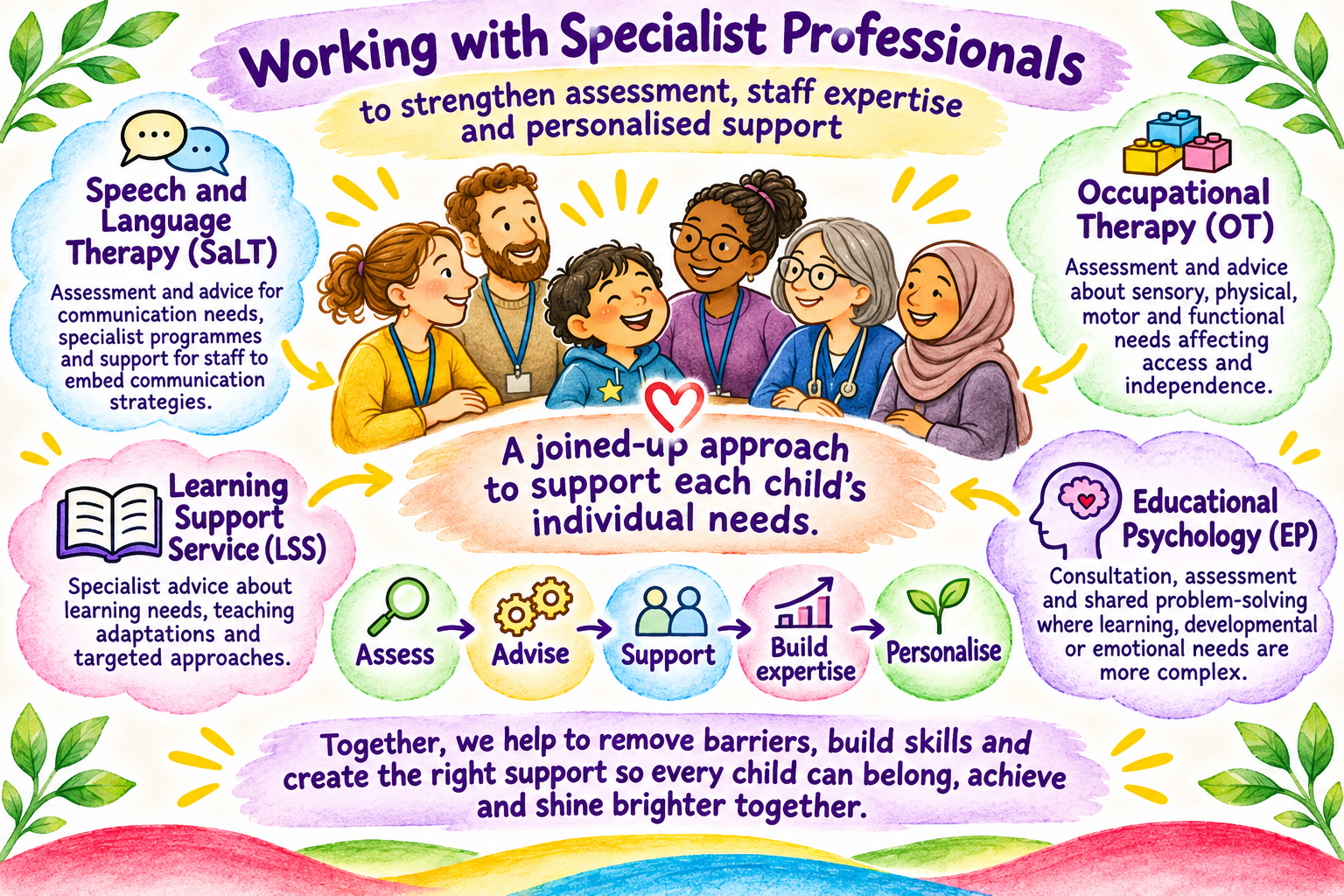
We also liaise with other relevant education, health and local authority services where appropriate. Specialist involvement may lead to direct sessions, a tailored programme or adjustments that staff use consistently across the school day. Parents and carers are involved in referral discussions and relevant consent is sought.
Recommendations are reflected in Individual Support Plans (ISPs), intervention records and/or Assess, Plan, Do, Review (APDR) plans as appropriate. Where a child has an EHCP, we plan and deliver the provision specified in that plan.
How do we choose, review and evaluate additional support?
We begin with the child's strengths, views, needs and the barriers they experience.
Teachers, the SENCO, families and, where relevant, specialist professionals consider what has already been tried and which approach is most likely to help.
When an intervention is introduced, we identify its purpose, the child's starting point, intended outcomes and how progress will be measured. Staff record delivery and review impact using assessments, observations, examples of learning, child and family views, and our Insight intervention records.
We consider whether the child is using developing skills in the classroom, playground and everyday school life. At review, support may be continued, adapted, increased, reduced or concluded. Families are informed through appropriate school communications and can discuss provision with the class teacher or SENCO.
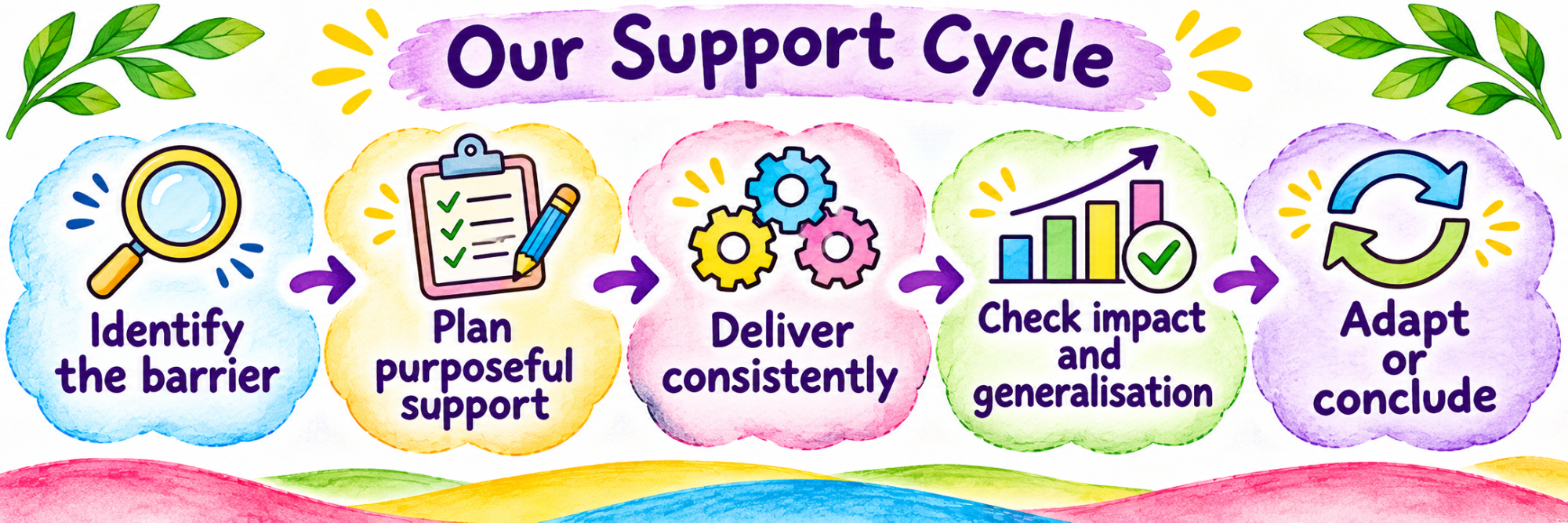
We judge success by meaningful improvements in learning, communication, participation, wellbeing and independence — not simply by the number of intervention sessions attended.
Support that makes a difference
Additional support at Oldswinford is not about fitting children into programmes. It is about understanding each child, removing barriers and providing thoughtful, ambitious and developmentally appropriate opportunities to believe, achieve and shine brighter together.
06> Emotional Wellbeing, Relationships & Attendance
Feeling safe, valued and connected is the foundation for learning. At Oldswinford, we recognise that emotional wellbeing, positive relationships and regular attendance are closely linked. Our approach is relational, inclusive and responsive to individual needs.
Relationships, regulation and belonging
Our relational Behaviour Policy draws on PACE (Playfulness, Acceptance, Curiosity and Empathy), emotion coaching and restorative practice. We seek to understand what behaviour is communicating, help children regulate their emotions and support them to build positive relationships.
Support may include trusted key adults, co-regulation, nurture provision, personalised adjustments and individual behaviour plans. Where these plans are needed, they are co-produced with children, giving them a voice and ownership of the strategies that help them, and are reviewed regularly.
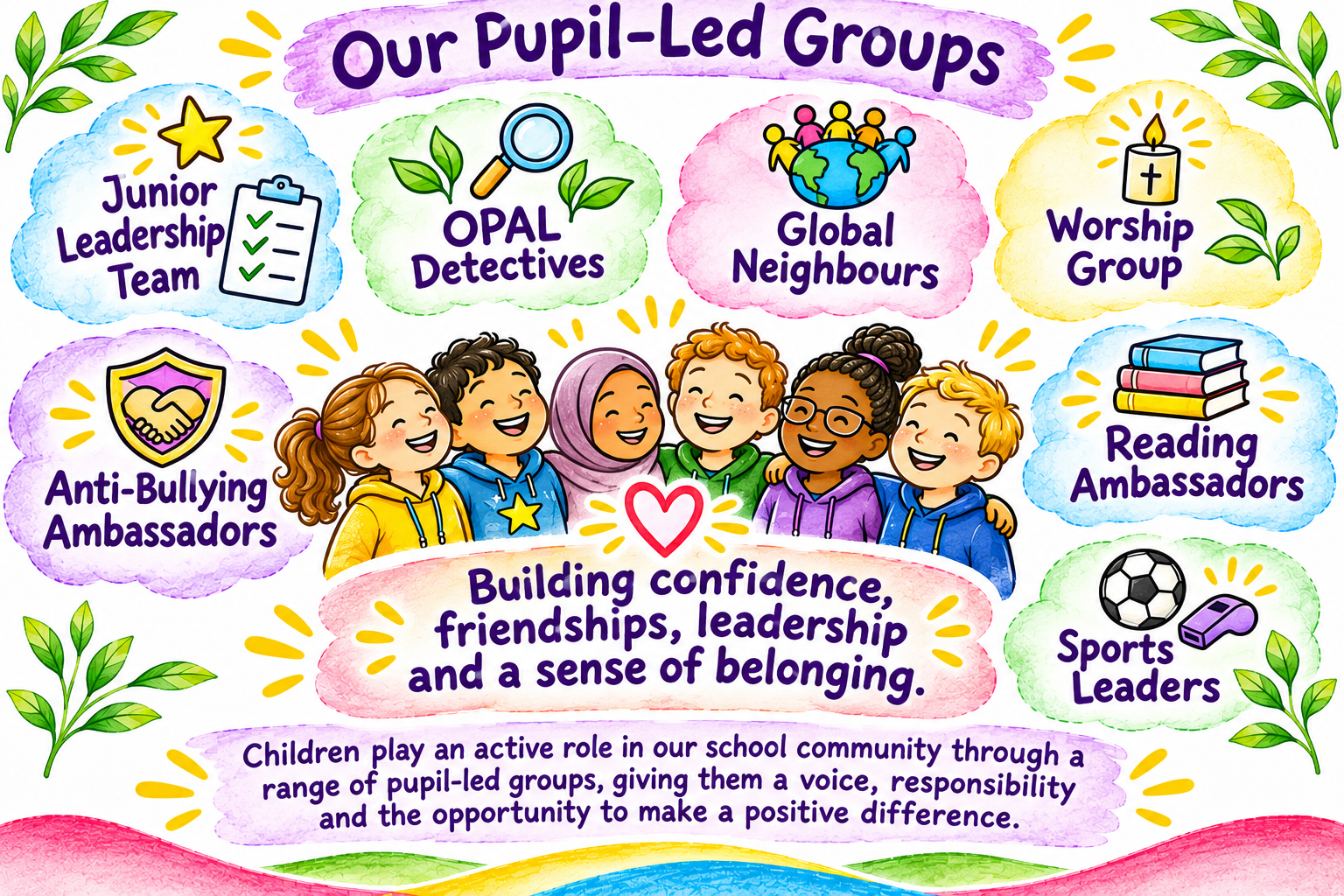
Our Anti-Bullying Ambassadors, trained through the Diana Award's Anti-Bullying Ambassador Programme, lead campaigns and challenges throughout the year, including kindness initiatives, Makaton signing and Anti-Bullying Week.
Attendance and positive transitions
Attendance at Oldswinford is a strength: above the national average and improving. Our Headteacher monitors attendance so that emerging concerns can be identified and addressed promptly.
We recognise that some children find separation from parents or the transition into school difficult. We work with children and families to understand these barriers and agree supportive, personalised arrangements.
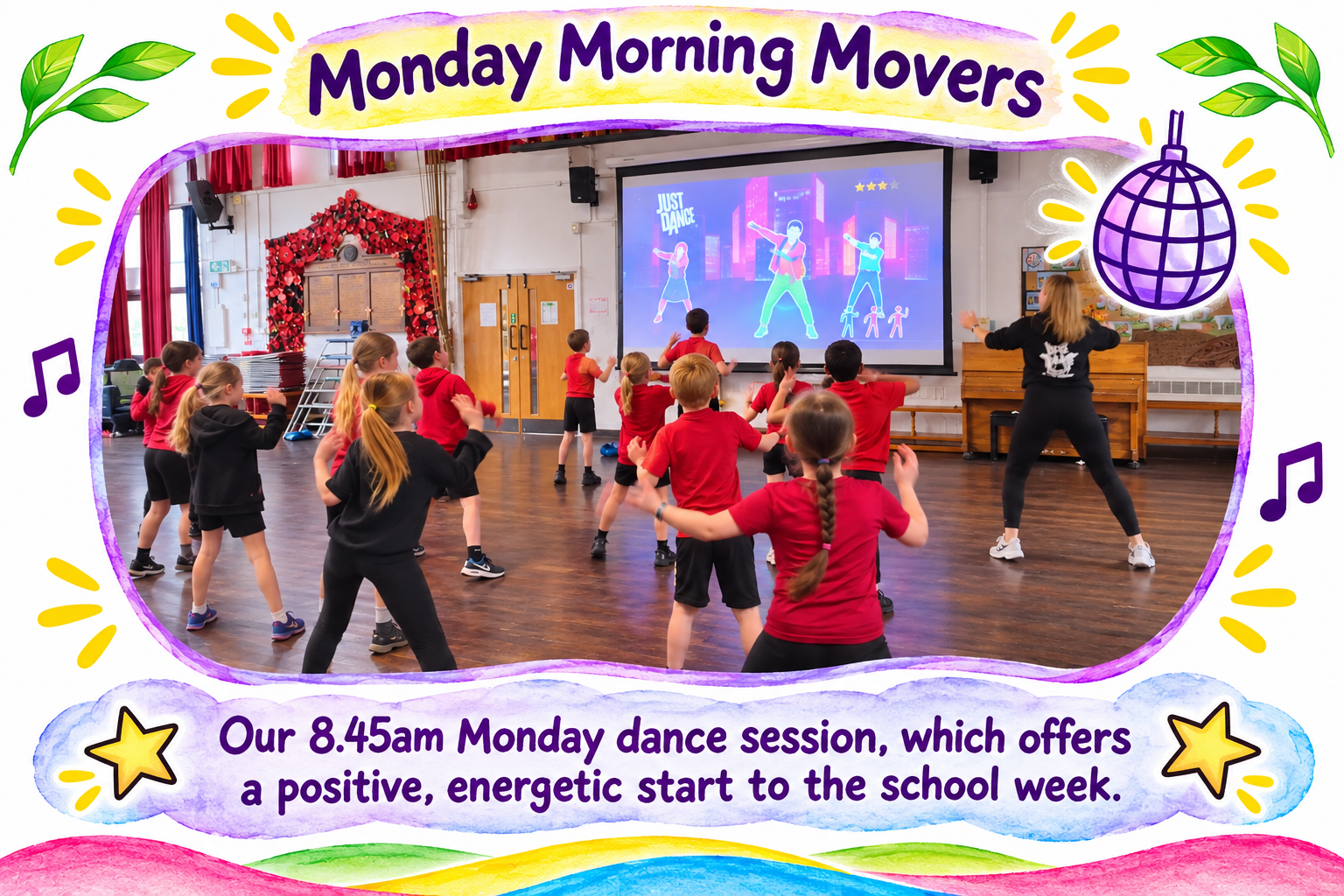
These may include a trusted adult meeting the child, a soft start, adjusted arrival routines or Monday Morning Movers.
Where additional help is needed, the Headteacher or Deputy Headteacher works directly with the family and consults the child about what would help. This can include meeting a child at home and supporting their journey into school.
When anxiety affects attendance
We recognise that anxiety can become a significant barrier to attendance for some children, and at times can result in Emotionally based school avoidance (EBSA).
We distinguish between difficulties separating from parents and anxiety associated with attending school, taking time to understand each child's experience.
Where needed, we work with the child and family to agree a personalised support or reintegration plan. This may involve trusted relationships, predictable routines, gradual steps, adjustments to the school day and advice from specialist professionals.
Support is regularly reviewed with the child and family, with the aim of building confidence, emotional safety, independence and sustained attendance.
Find out more: Explore our Wellbeing and Neurodiversity pages for further information about our inclusive approaches and resources.
07> Neurodiversity-Affirming & Sensory-Informed Practice
All brains are valued
At Oldswinford, we recognise that every brain is different and every child is valued as an individual. We celebrate neurodiversity and take a strengths-based approach that recognises children's interests, abilities, identities and unique ways of experiencing the world.
We recognise that some neurodivergent children may work exceptionally hard to meet expectations, conceal their difficulties or manage sensory and social demands. We therefore make thoughtful adjustments to reduce unnecessary barriers, anxiety, masking and overcompensation, supporting children's wellbeing and helping to prevent exhaustion and burnout.
Understanding individual needs
Our staff receive training in neurodiversity, including autism, ADHD, dyslexia, dyscalculia and masking. We recognise that children with the same diagnosis may have very different strengths, preferences and support needs. Adjustments are based on the individual child, not assumptions about a label.
Staff observe sensory preferences and work with children and families to understand what helps. Where appropriate, we use sensory screening tools, bringing together the perspectives of the child, home and school to develop a personalised sensory support plan.
Children's Individual Support Plans (ISPs) also capture their own views about their strengths, difficulties and the adjustments that help them learn.
Developing understanding and self-advocacy
A key priority is helping children understand and communicate their own needs, preferences and strengths. Through PSHE, collective worship and everyday conversations, we explicitly teach children about different ways of thinking, learning and experiencing the world.
During Neurodiversity Celebration Week, children explored the different strengths of their own brains — including creativity, energy and reflection — and shared how they like to learn. This builds on our wider school culture of acceptance, belonging and respect for difference, including recognition that neurodiversity is part of our staff community too.
Our Anti-Bullying Ambassadors even posted a new Makaton sign for us to learn every day!
Explore our Neurodiversity and Sensory Differences pages for further information, examples and resources.
08> Participation, Enrichment & Life Beyond Lessons
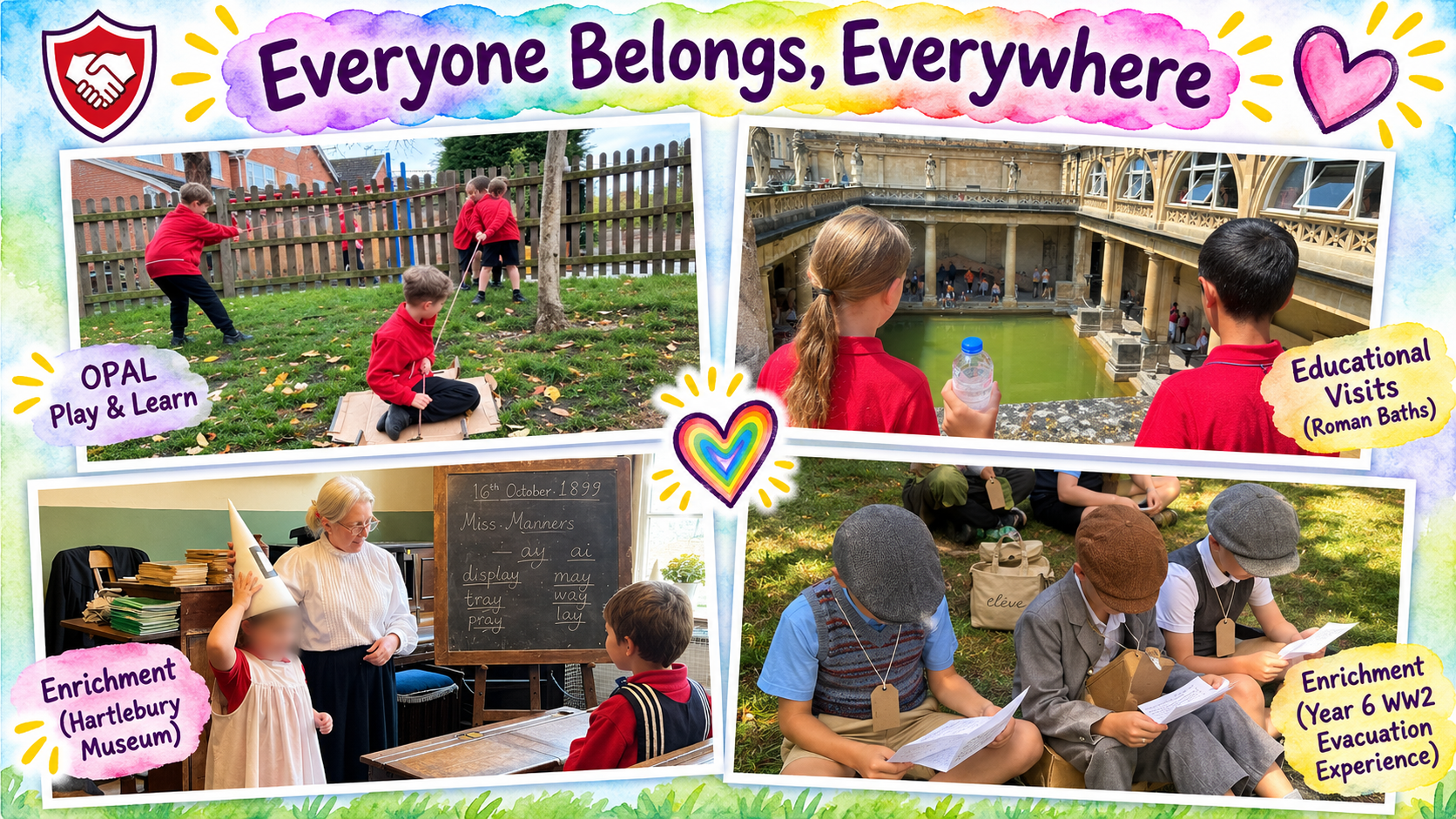
At Oldswinford, inclusion extends far beyond the classroom. We believe every child should have opportunities to play, explore, develop friendships, discover interests, take on responsibilities and enjoy the wider life of our school.
Children with SEND are welcomed and supported to participate in our clubs, educational visits, residentials, PE, OPAL playtimes, Forest School, collective worship, performances and pupil leadership opportunities.
Planning for participation
We plan proactively to identify and remove barriers so that children with SEND can participate alongside their peers.
-
Trips and residentials: Our SENCO is also our Educational Visits Coordinator (EVC) and checks access and equality arrangements for every visit. We make reasonable adjustments, including adapted transport, additional staffing and higher adult-to-pupil ratios where needed.
-
Individual safety and care: Staff work with children, families and relevant professionals to plan support. This may include individual risk assessments, Personal Emergency Evacuation Plans (PEEPs), care plans and specialist medical training.
-
PE and physical activities: Our PE coaches adapt activities and equipment to accommodate different physical needs, enabling children to participate meaningfully.
-
Worship and performances: Children may use alternative seating, fidget resources, noise-reducing headphones or quieter spaces. Some children access whole-school worship from an adjoining area or classroom using the same presentation. Koala Class also has adapted worship, while children are welcomed to join whole-school celebrations and performances for as long as they feel comfortable.
Our approach is flexible and personalised. We work with children and families to understand what helps each child feel safe, included and able to participate.
OPAL: Inclusive play, friendships and belonging
Our Outdoor Play and Learning (OPAL) approach offers children a wide range of play opportunities that encourage creativity, physical activity, communication, cooperation and independence.
Our OPAL evaluation has identified positive changes reported by staff, including wider friendship groups, increased activity, greater inclusion, improved communication and teamwork, and fewer lunchtime disagreements.
Feedback from families and staff also highlights how sensory-rich play, opportunities for movement and a wider choice of activities can help children regulate, build relationships and enjoy lunchtimes.
“OPAL assembly gives me courage to try new things.”
Child's voice
“She had never been in the mud kitchen before because she didn’t like the thought of getting dirty. Since having the puddle suits, she gets stuck right in!”
Feedback about a child's growing confidence in play, anonymised
Discovering interests and developing independence
Through enrichment, school responsibilities and pupil-led groups, children have opportunities to develop confidence, friendships, independence and leadership. Our pupil leadership and ambassador groups reflect the diversity of our school community, with children of different abilities, backgrounds and needs represented and valued. We actively support children with SEND to participate, contribute their perspectives and take on meaningful responsibilities, making appropriate adjustments where needed. Every child's voice matters, and every child has something valuable to contribute.
09> Working with Families & Listening to Children
Working together to understand, listen and make a difference
We believe that children and families are essential partners in making decisions about SEND support. Parents and carers know their children best, and children themselves have valuable insights into what helps them feel safe, included and successful.
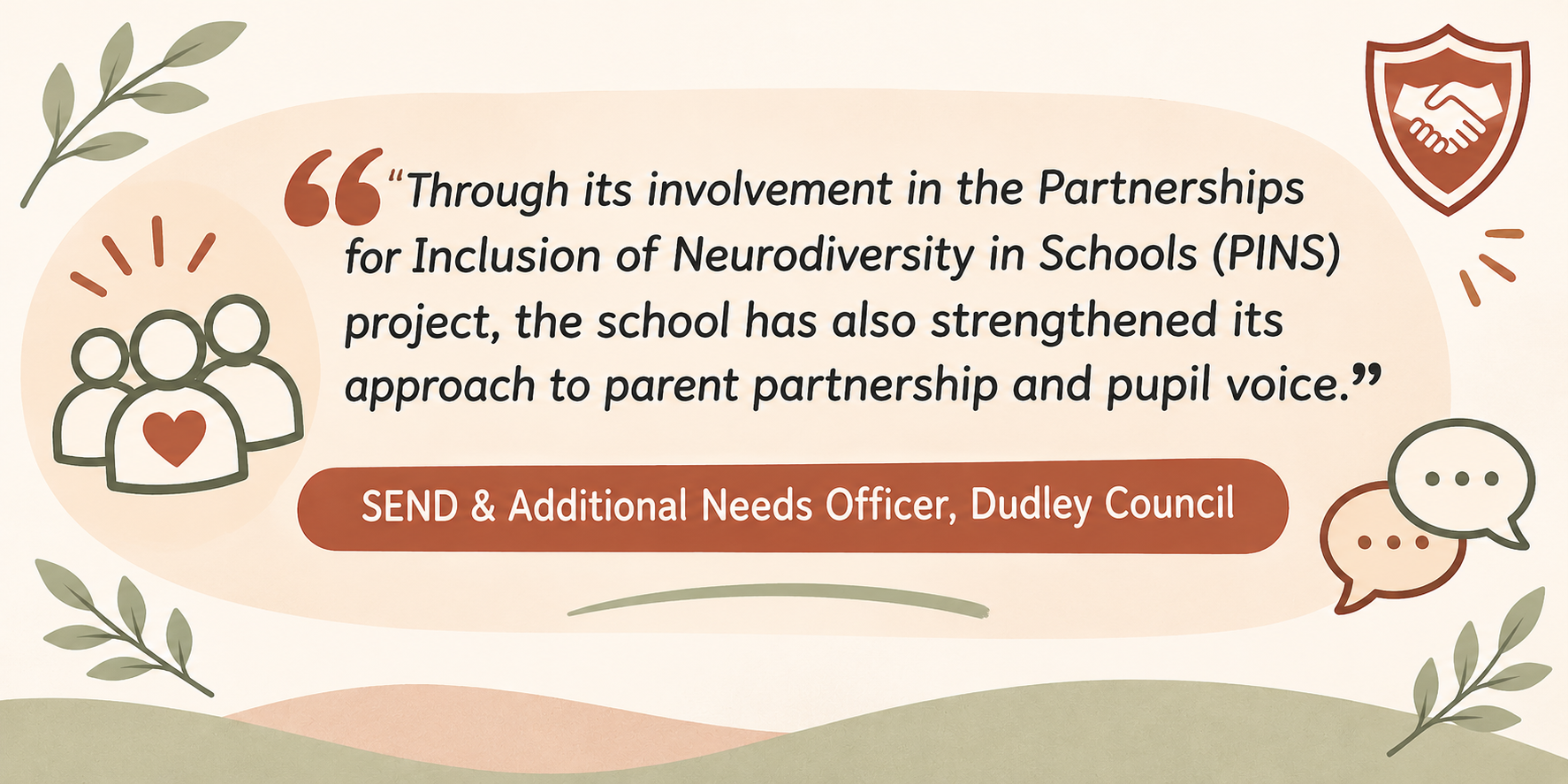
Our approach is built on open communication, mutual respect and shared decision-making. We listen carefully, involve children in ways that are meaningful to them and use feedback to make practical improvements.
Keeping in touch and reviewing support
Families can communicate with us through everyday conversations, telephone calls, emails, meetings and parent consultations. A senior member of staff is available on the gate or playground at the beginning and end of each school day.
For formal enquiries, please contact contact@oldswinford.dudley.sch.uk.
For children receiving SEN Support, we hold termly reviews to discuss progress, celebrate achievements, consider any emerging needs and agree next steps. Parents' and children's views are gathered and included in these discussions.
Children's Individual Support Plans (ISPs) reflect their strengths, needs, preferences and the adjustments that help them succeed. For children with Education, Health and Care Plans (EHCPs), families and children are actively involved in statutory annual reviews.
Every child's voice matters
We recognise that children communicate their views in different ways. We use conversations, drawings, photographs, visual choices, questionnaires and other accessible approaches to understand their experiences and preferences.
For children with communication differences, this may include Picture Exchange Communication System (PECS), objects of reference, gestures, pointing, showing or leading an adult by the hand.
We want children to become increasingly confident in understanding their needs, expressing their preferences and advocating for the support that works for them.
Listening, learning and improving
We actively seek feedback through school and Parent Carer Forum (PCF) questionnaires, parent consultations, coffee mornings, pupil questionnaires, pupil voice activities and pupil sampling.
We use this information alongside everyday conversations and individual reviews to evaluate our provision, identify barriers and make improvements.
Working with Dudley Parent Carer Forum
Working with Dudley Parent Carer Forum (PCF)
We value our partnership with Dudley Parent Carer Forum (PCF), an independent, parent-led organisation that represents the experiences and views of families of children and young people with SEND.
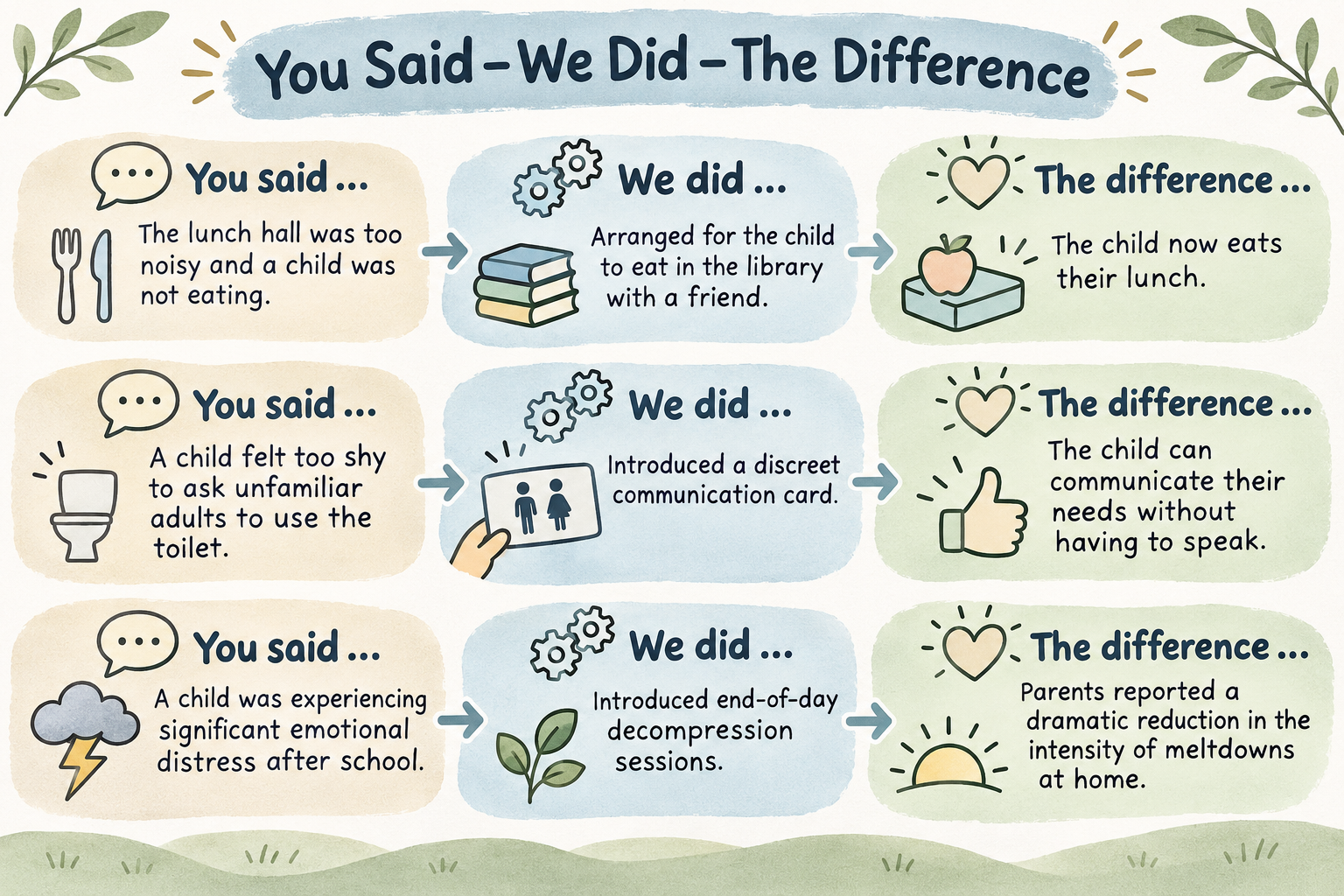
Through our involvement in the Partnerships for Inclusion of Neurodiversity in Schools (PINS) project, we have strengthened opportunities for families to connect, share experiences and help shape our inclusive practice.
We hold half-termly parent-carer coffee mornings, alternating between informal sessions attended by parents and carers themselves and collaborative sessions attended by our SENCO. These provide a welcoming space for peer support, open conversations, consultation and co-production, ensuring that families have a meaningful voice in school development.
Our partnership has already influenced our approach to inclusion. For example:
-
Behaviour policy: Parent carers were consulted on our revised Behaviour Policy through a SEND lens, helping us consider how effectively it reflects the experiences and needs of neurodivergent children and children with SEND.
-
Pupil voice: We have undertaken activities to gather children's views and experiences, helping us better understand what supports their sense of belonging, wellbeing and participation.
-
SEND Information Report: We will invite parent carers to review and provide feedback on this updated report, helping us ensure that the information is clear, accessible and genuinely useful to families.
We are committed to moving beyond simply asking for opinions towards collaboration, consultation and co-production, where the experiences of children and families inform meaningful improvements.
Families can also engage with Dudley Parent Carer Forum independently of school to access peer support, share experiences and contribute to wider SEND service development.
[Find out more about Dudley Parent Carer Forum]
Our commitment: We do not simply ask children and families for their views. We listen, respond and work together to make changes that improve children's everyday experiences.
10> Staff Expertise, Specialist Services & Resources
Developing our expertise
At Oldswinford, we believe that effective inclusion depends on knowledgeable, reflective staff who continue to develop their understanding of children's individual needs.
Our SENCO holds the National Award for SEN Coordination (NASENCO) and is supported by an experienced SENCO Assistant with particular expertise in speech, language, communication and learning support.
Our staff team also includes a colleague who has completed the NPQ for Leading Behaviour and is currently undertaking the NPQ for SENCO.
Professional development is informed by the needs of our children, current research, specialist advice and feedback from families. Recent training has included:
-
Neurodiversity and learning: autism, ADHD, AuDHD, dyslexia, masking, anxiety, burnout and neurodiversity-affirming practice.
-
Communication and language: attention and listening, social communication, Word Aware, Colourful Semantics and communication-supportive teaching.
-
Emotional wellbeing and behaviour: PACE, emotion coaching, co-regulation, relational and restorative approaches, and de-escalation.
-
Inclusive teaching: adaptive teaching, the graduated approach, identifying barriers to learning and developing pupil independence.
-
Medical and physical needs: annual asthma and epilepsy training, with additional diabetes training and other specialist training for relevant staff.
Our ongoing development priorities include refreshing staff understanding of adverse childhood experiences (ACEs), strengthening the use of technology to promote independence and extending specialist communication and sensory-informed approaches.
Working with specialist professionals
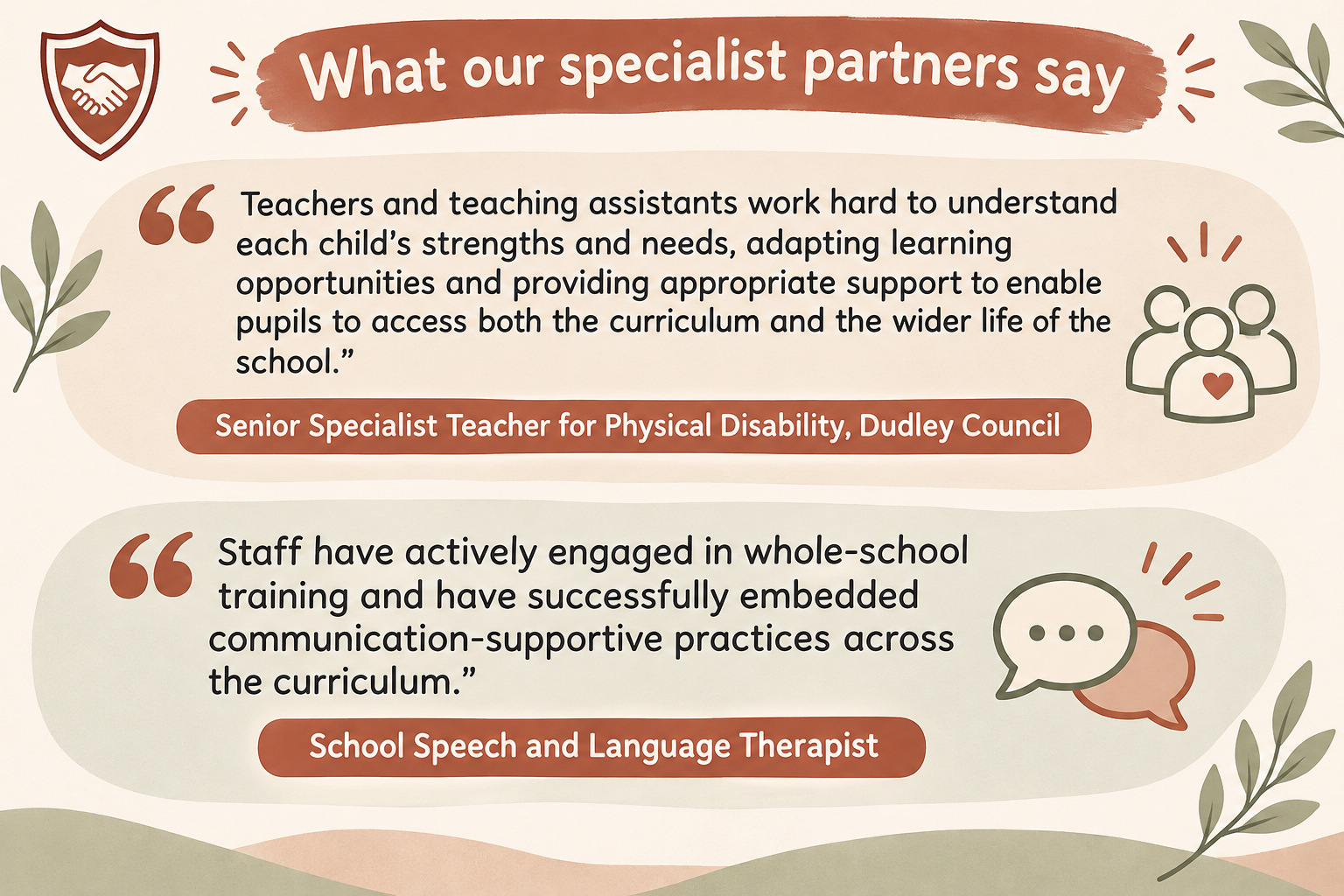
We work closely with education, health and local authority professionals, including Speech and Language Therapy, Occupational Therapy, Educational Psychology, the Learning Support Service and the Physical Impairment Team.
Following specialist assessments, relevant school staff are invited to feedback meetings so they can understand the recommendations, ask questions and agree how these will be implemented.
Recommendations are incorporated into children's Individual Support Plans (ISPs), Assess–Plan–Do–Review (APDR) records or intervention maps, as appropriate. Where additional staff training is required, this is arranged.
This helps ensure that specialist advice becomes part of a child's everyday learning and support, rather than remaining solely within an assessment report.
Specialist equipment and resources
We identify and purchase specialist equipment in response to children's individual needs, including recommendations from Occupational Therapy and the Physical Impairment Team.
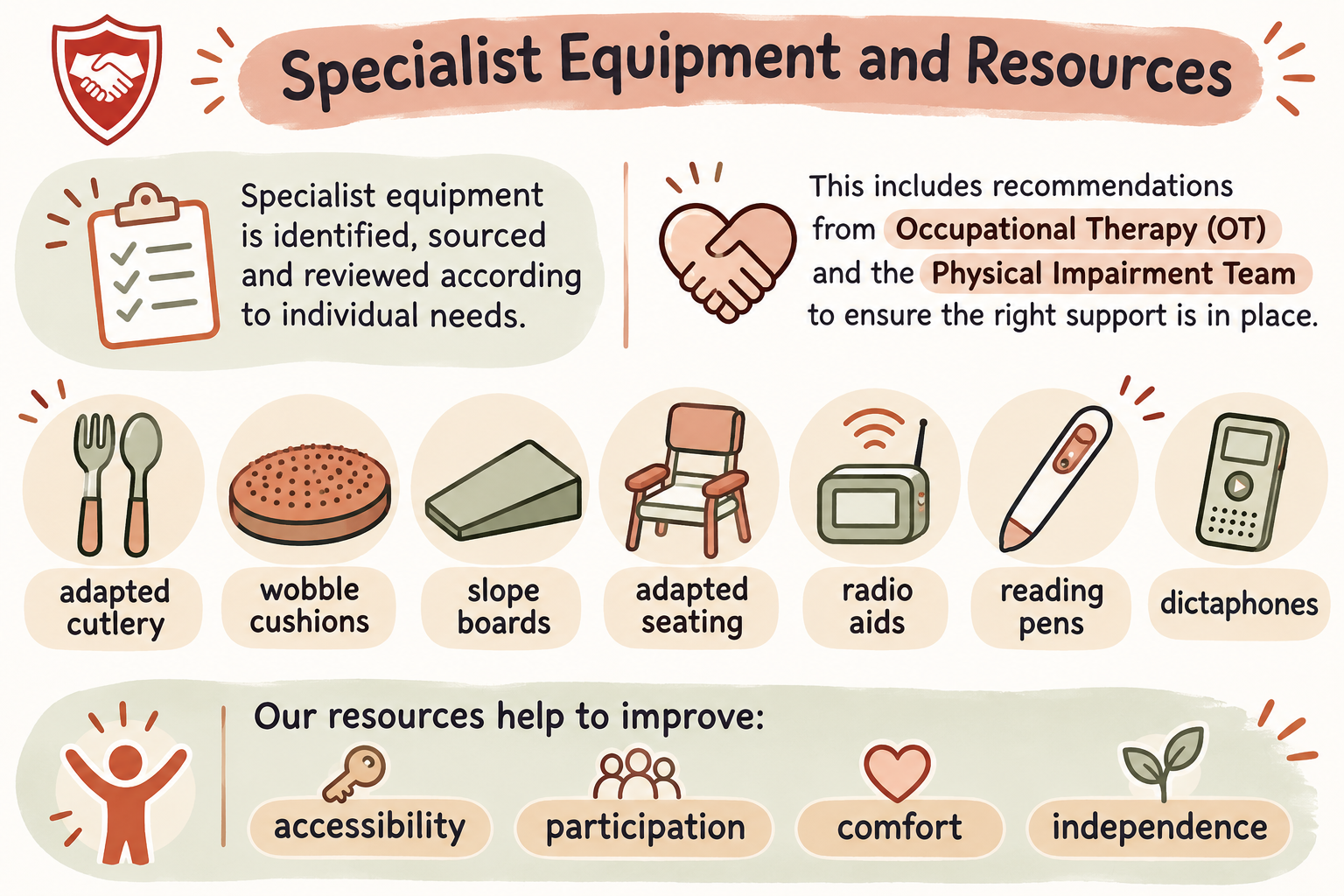
Our aim is to build expertise throughout the school, so that every child benefits from informed, consistent and personalised support.
11> Transitions & Preparing for the Future
Helping every child feel prepared, confident
and ready for their next step.
Changes can be exciting, but they can also bring uncertainty. At Oldswinford, we plan transitions carefully, recognising that some children need additional time, reassurance, familiar relationships or personalised support to feel safe and confident.
Starting school: getting to know your child
We welcome children from more than 20 different nursery and early years settings. Our Early Years Lead aims to visit as many feeder settings as possible to learn about children's strengths, interests and individual needs before they join us.
We work closely with Dudley's Integrated Early Years Service (IEYS), including transition meetings for children already known to the service.
Our induction arrangements include:
-
A comprehensive information pack so families can share what matters most about their child.
-
A new-parent induction meeting in July, attended by our SENCO, offering an early opportunity to discuss additional needs.
-
Reception taster sessions in June and July.
-
A carefully phased September start, with children initially attending part-time in smaller groups of approximately 30, helping them build relationships and friendships in a calmer environment.
Where children need additional support, we work with families and professionals to plan a more personalised transition.
Moving into a new class
Every child receives a Meet the Teacher information sheet before the summer holidays and spends a transition morning with their new teacher and classmates in July.
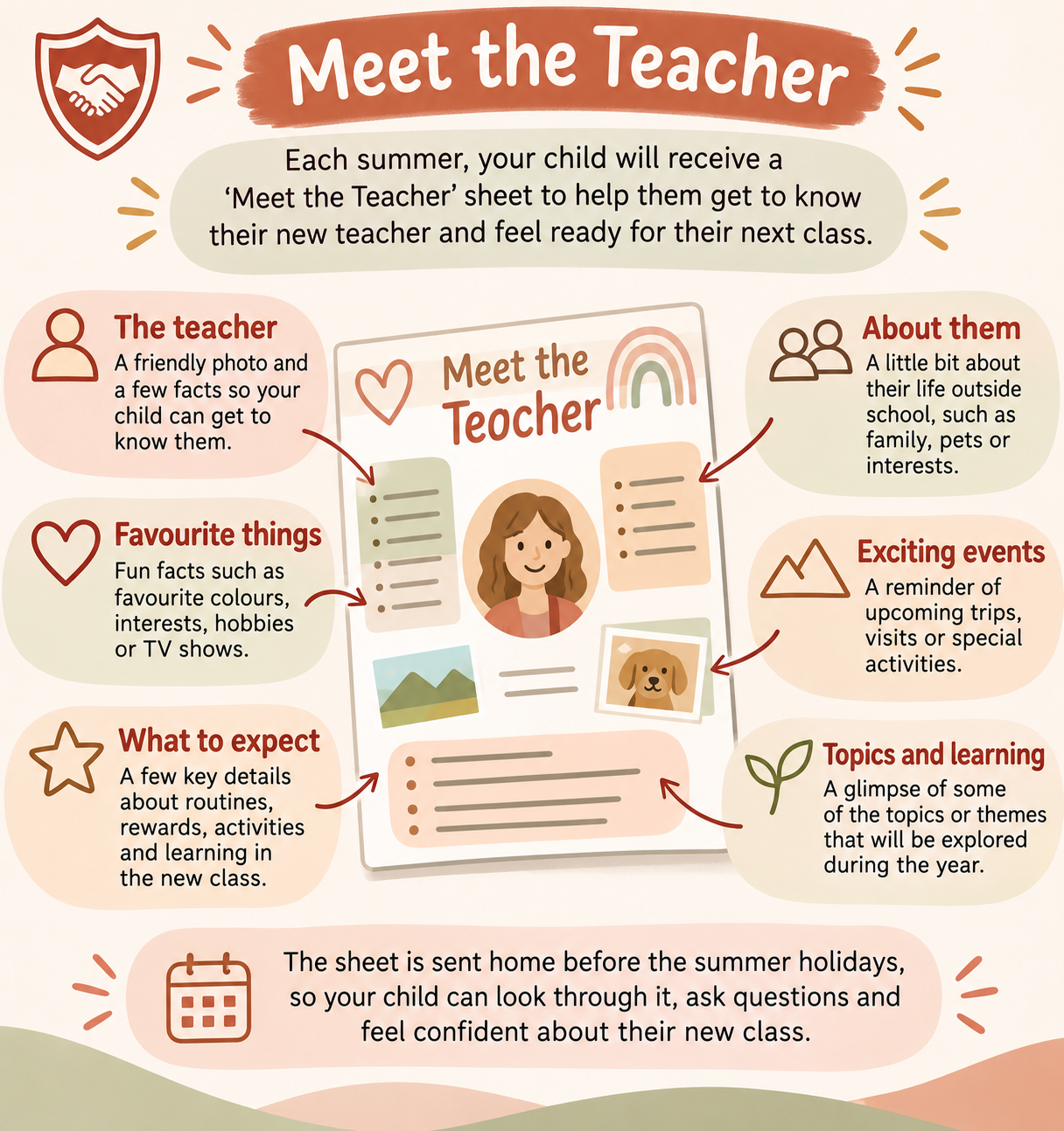
We also provide a whole-class transition social story so that everyone can become familiar with their new classroom, routines and expectations.
For children who benefit from additional preparation, we arrange enhanced visits, opportunities to meet key adults and time to explore unfamiliar spaces, including toilets and other areas that may cause uncertainty.
Moving to secondary school
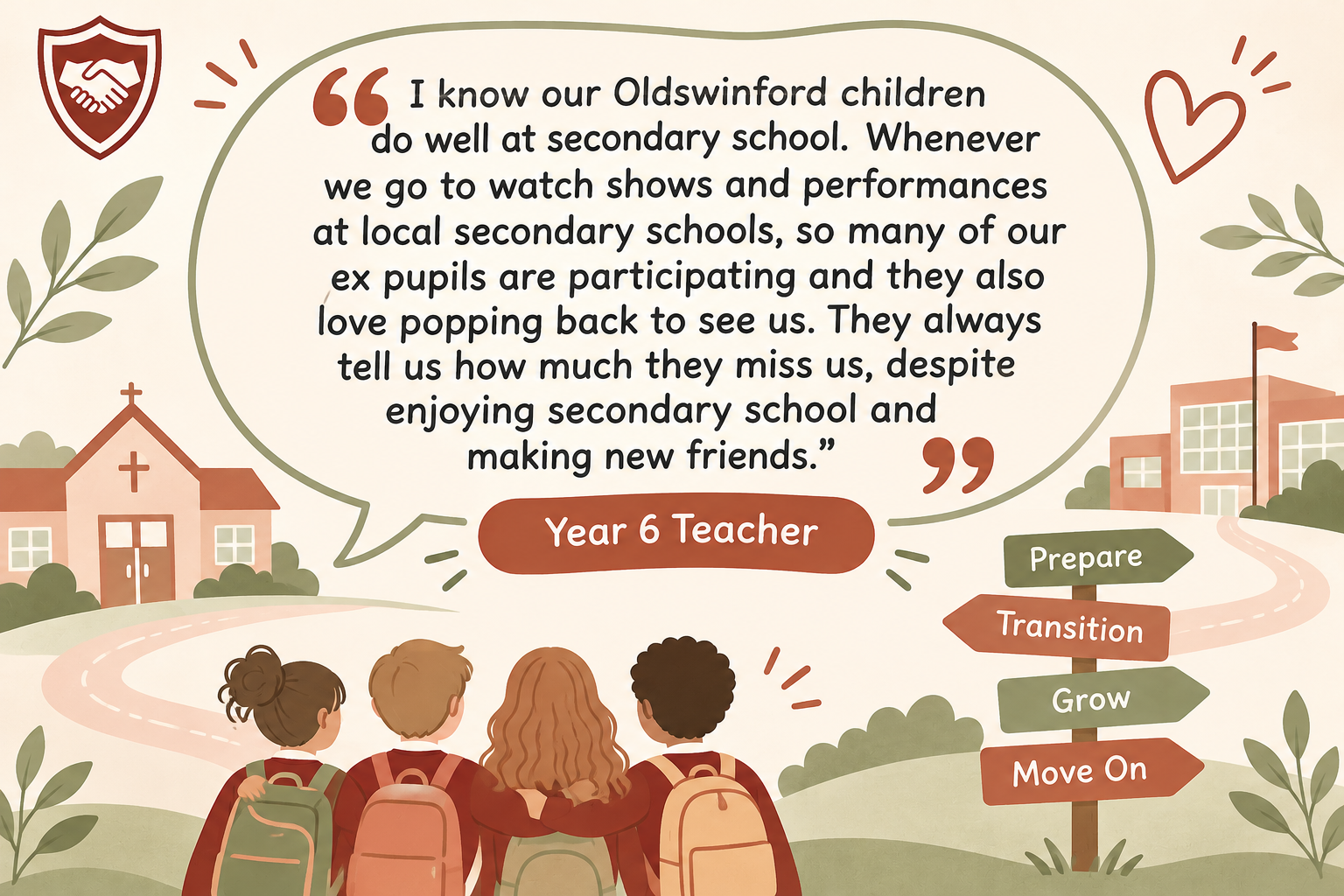
We work closely with receiving secondary schools to make sure children's strengths, needs and successful support strategies are understood.
Our transition arrangements include:
-
Teacher-to-teacher handover meetings with secondary school Heads of Year.
-
Additional SENCO-to-SENCO discussions for every Year 6 pupil on the SEND register.
-
Secure transfer of relevant SEND records and support information.
-
Enhanced visits, with a familiar adult from Oldswinford accompanying children where helpful.
-
Individual or small-group transition programmes supported by Autism Outreach for identified children.
Children and families are involved in planning additional support so that their questions, preferences and concerns can be addressed.
Growing independence
Preparing for the future also means developing confidence, practical skills and increasing independence throughout school life.
Opportunities such as our Year 6 residential and Bikeability programme help children develop resilience, responsibility, road awareness and confidence beyond the classroom.
For children with SEND, we adapt experiences and teach independence skills in ways that are meaningful, achievable and appropriate to their individual needs.
Our aim is for every child to approach their next step feeling known, supported and increasingly confident in what they can do.
12> Concerns, Complaints & Independent Advice
We want every family to feel listened to, respected and confident about raising questions or concerns.
We recognise that sometimes things may not be working as well as they should, and that families and school staff may occasionally have different perspectives. Whatever the concern or disagreement, we share the same priority: the wellbeing and best interests of the child. We welcome open, honest and respectful conversations and are committed to working together to understand concerns, find solutions and ensure that every child feels safe, supported and able to thrive.
How can I raise a concern?
1. Speak to your child's class teacher
Your child's teacher is usually the best person to contact first. For a quick question or informal concern, you can use ClassDojo or speak to staff directly.
2. Contact our SENCO
If your concern relates to additional needs or requires further discussion, you can request a meeting with our SENCO. We will always do our best to accommodate meetings in person, by telephone or via Microsoft Teams.
3. Speak to the headteacher
If your concern remains unresolved, you can ask for it to be considered by the headteacher.
4. Follow our formal complaints procedure
If you remain dissatisfied, our published Complaints Policy explains how to make a formal complaint and how it will be considered, including any further stages of escalation.
For formal communication, please email contact@oldswinford.dudley.sch.uk, indicating who you would like your message directed to.
[Read our Complaints Policy ]
Where can I get independent SEND advice?
Families can access free, impartial advice and support from organisations outside school.
Dudley SENDIASS provides confidential and impartial information, advice and support for children and young people with SEND and their families, including help understanding SEND processes, support arrangements and rights.
Visit SENDIASS https://dudleyci.co.uk/services/dudley-sendiass-special-educational-needs-and-disabilities-information-advice-support-service
IPSEA (Independent Provider of Special Education Advice) is a national charity providing free, independent, legally based information and advice about SEND law, EHCPs and statutory appeal rights.
Visit IPSEA – https://www.ipsea.org.uk/
What if I disagree with a decision about an EHCP?
Concerns about support provided by school are normally addressed through our school communication and complaints arrangements.
Disagreements about decisions made by the local authority, such as whether to carry out an EHC needs assessment, issue an EHCP or the provision specified in a final plan, follow a separate statutory process, including mediation and/or appeal to the SEND Tribunal.
Families can also seek independent guidance from SENDIASS or IPSEA at any stage.
Our SENCO will always do their best to support families in understanding these processes, accessing appropriate information and advice, and working towards the best possible outcomes for their child.
13> Contacts, Local Offer & Useful Documents
We're here to help you find the right information, advice and support.
If you have questions about your child's learning, development or additional needs, please get in touch. You do not need to wait until a concern becomes significant, or until your child has a diagnosis, to ask for advice.
Our SEND contacts
Mrs Jo Seker
Deputy Headteacher, Inclusion Lead & SENCO
Telephone: 01384 283695
Email: contact@oldswinford.dudley.sch.uk
Please address your email to Mrs Seker or ask the school office to arrange a conversation or meeting.
SEND Link Governor: [Name to be confirmed]
Our governing body provides oversight of the school's SEND provision, inclusion priorities and statutory responsibilities.
Dudley Local Offer and independent advice
Dudley SEND Local Offer
Dudley's Local Offer brings together information about education, health, social care, family support and community opportunities for children and young people with SEND aged 0–25.
https://www.dudley.gov.uk/localoffer
Dudley SEND Assessment Team
For enquiries about local-authority EHC needs assessments and EHCP processes.
Telephone: 01384 814360
Email: enquiries.sendteam@dudley.gov.uk
https://www.dudley.gov.uk/residents/best-start-in-life/send/
Dudley SENDIASS
A free, confidential and impartial service offering information and advice about SEND support, EHCPs, rights and disagreements.
Telephone: 07900 161363
Email: dudley.sendiass@dudley.gov.uk
https://www.dudley.gov.uk/dudleysendiass
IPSEA – Independent Provider of Special Education Advice
A national charity providing free, legally based information and advice about SEND law and children's educational rights.
Dudley Parent Carer Forum (PCF)
An independent parent-carer group providing opportunities to connect with other families, share experiences and influence SEND services. We also work with the PCF through parent-carer coffee mornings at school.
School policies and useful documents
The following documents provide further information about our statutory responsibilities, procedures and inclusive practice:
-
SEND Policy
-
Accessibility Plan
-
Behaviour Policy
-
Anti-Bullying Policy
-
Supporting Children with Medical Conditions Policy
-
Complaints Policy
-
Dudley Ordinarily Available Inclusive Provision (OAIP) Framework
-
SEND Code of Practice
View our school policies: https://www.oldswinford.dudley.sch.uk/policies-1
About this report
Published and updated: November 2026
Next scheduled review: November 2027
Prefer to read offline or print a copy? Download the full report here: Complete report · PDF · November 2026
This SEND Information Report will be reviewed at least annually and updated sooner where significant changes to provision, services or statutory requirements make this necessary.
We welcome feedback from children, parents and carers to help keep our information accessible, accurate and useful.